Bolingbrook Garage Door Guide
When a Spring Goes in the Cold: A Bolingbrook Guide
A look at why Bolingbrook's 1960s-70s housing stock and cold winters mean torsion springs fail hard and fast, and what actually needs a call versus a wait.
- Licensed & Insured
- Same-Area Service Calls
- Upfront Pricing
When It Stops Being a DIY Job
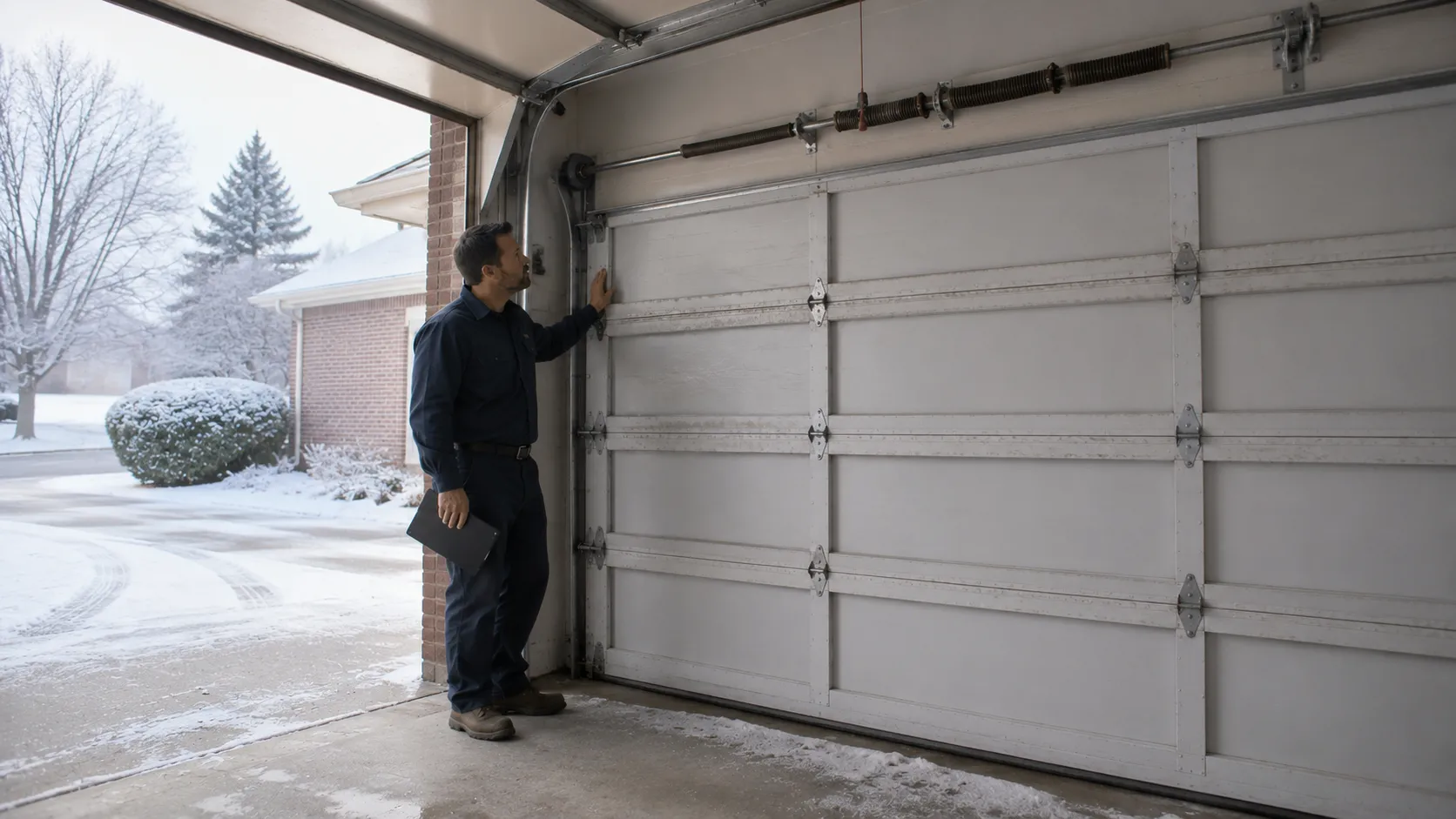
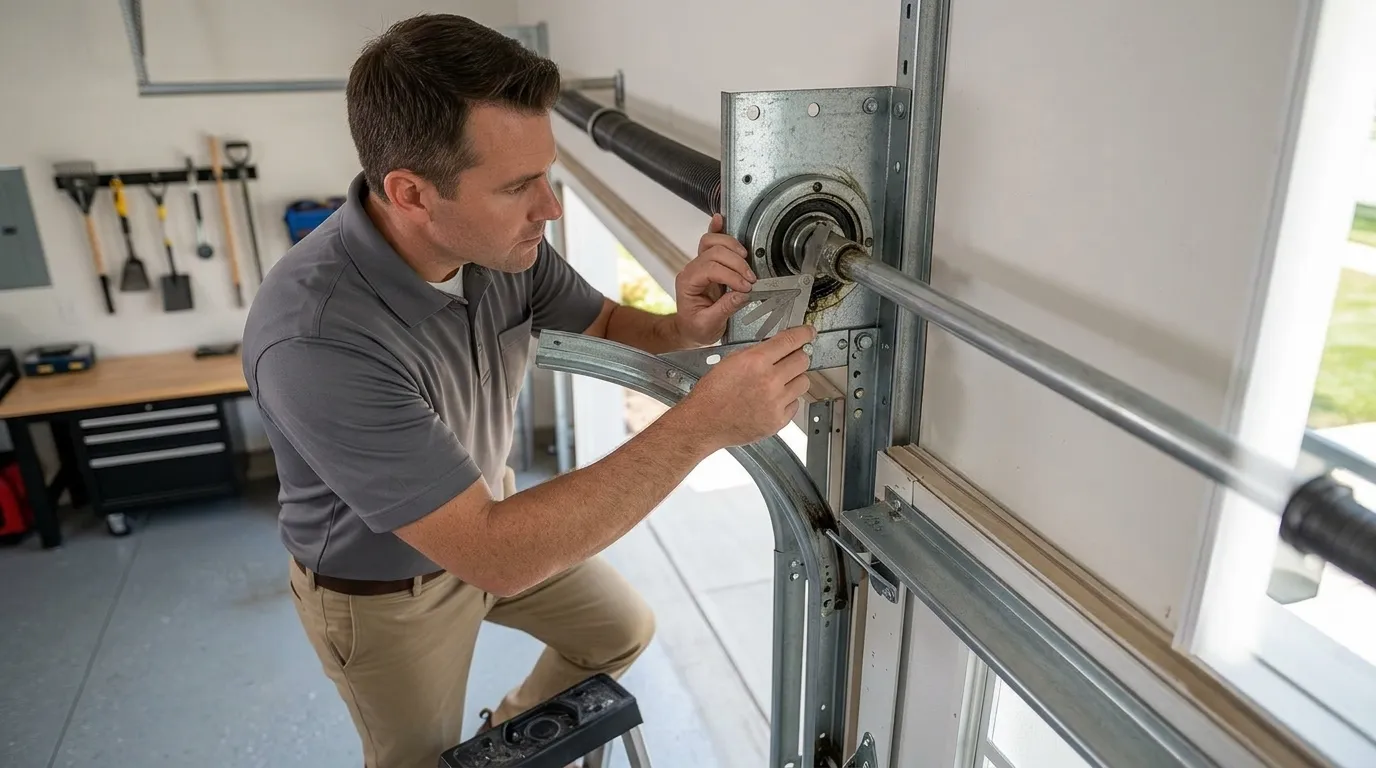
If the door won't budge and you hear a bang from the garage before it happened, that's a torsion spring letting go, not a jammed track. Most of Bolingbrook's housing went up between 1938 and 2004, with the bulk of it dating to the 1960s and '70s, so a lot of these doors are running original or first-replacement hardware that's thirty, forty, even fifty years old. Springs on that older stock were wound for a lighter door and a different steel gauge than what's sold today, so once one side goes, the other side is usually close behind.
This is not a job to open up yourself. A wound torsion spring under tension can take a hand off, and on the older side-mounted setups common in this area, the mounting cones and bearing plates are often rusted or worn past a clean release.
If the door is stuck halfway, cables are off the drum, or a panel is bent from someone trying to force it, stop and call. If it's just noisy or slow, that's a different conversation covered below.
The Problem
Cold makes steel less forgiving. In a moderate-cold climate like this one, garage temperatures swing hard overnight, and a spring that's already fatigued from twenty winters of that cycle is more likely to snap on a cold morning than a mild afternoon - the metal contracts, the coils lose a little give, and the last bit of flex it had is gone. That's a real pattern in older housing stock, not a coincidence.
The second piece is the door itself. A lot of homes in this area still carry the doors and openers that came with the house in the '60s and '70s, meaning the spring is doing more work than it was ever sized for after decades of dust, temperature swings, and no lubrication.
Combine an aging spring with a cold snap and you get exactly the failure described above: a loud bang, a door that won't lift, sometimes a cable that jumps the drum on the way down. It's mechanical, it's predictable, and it's tied directly to how old the hardware is and how cold it gets that morning.
When Waiting Is Fine
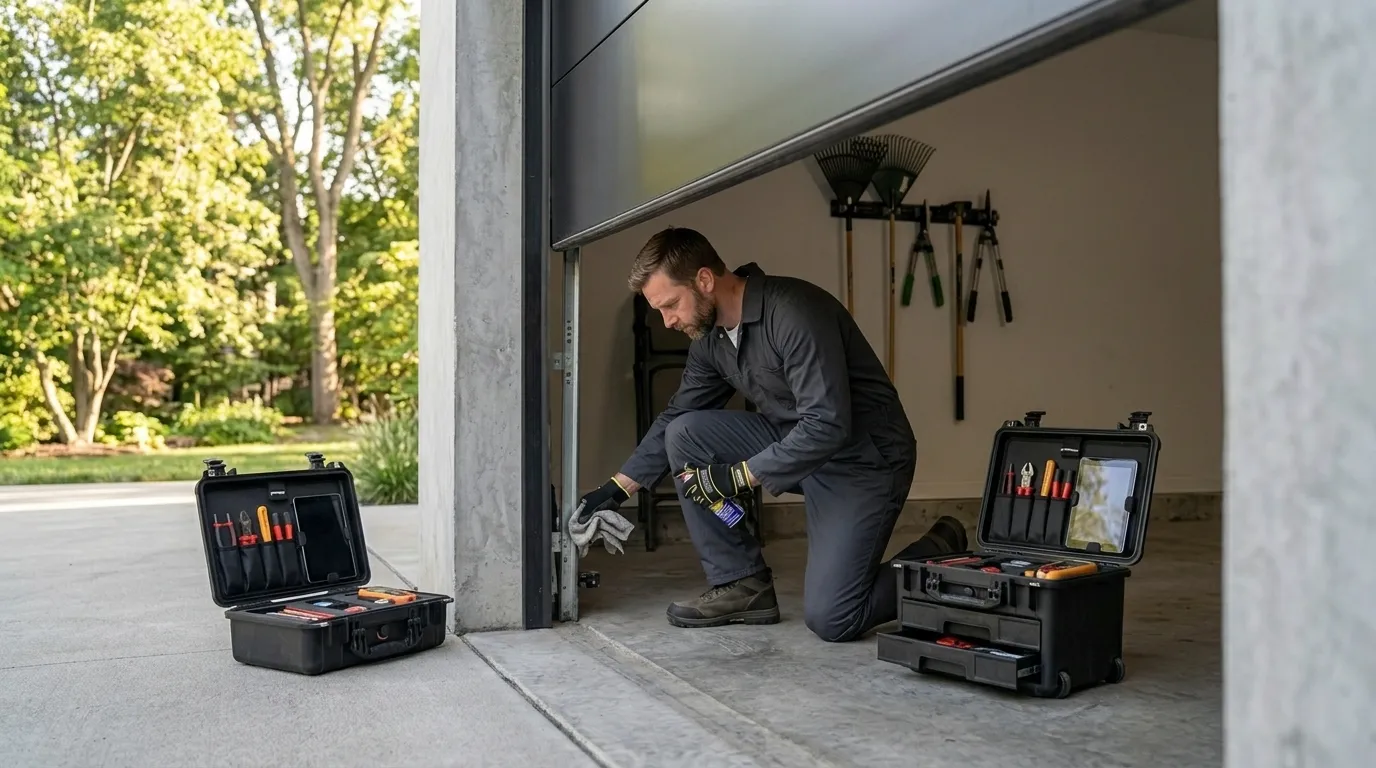
Not every noise is an emergency. If the door still opens and closes but groans, squeaks, or hesitates partway, that's usually a roller or hinge that's dried out - common on doors from the 1970s era that have never been lubricated. That can wait for a scheduled visit rather than an after-hours call.
Same goes for a door that's just slow to respond to the opener remote, or one where the light on the opener flickers. Those point to the opener unit or the sensor, not the spring, and they're not going to strand your car in the garage overnight the way a broken spring will. One honest limit here: if the opener itself is original to a 1960s or '70s build, parts for it may not be available at all, and replacement is usually the straighter path rather than trying to keep patching something that old.
How Local Conditions Play In
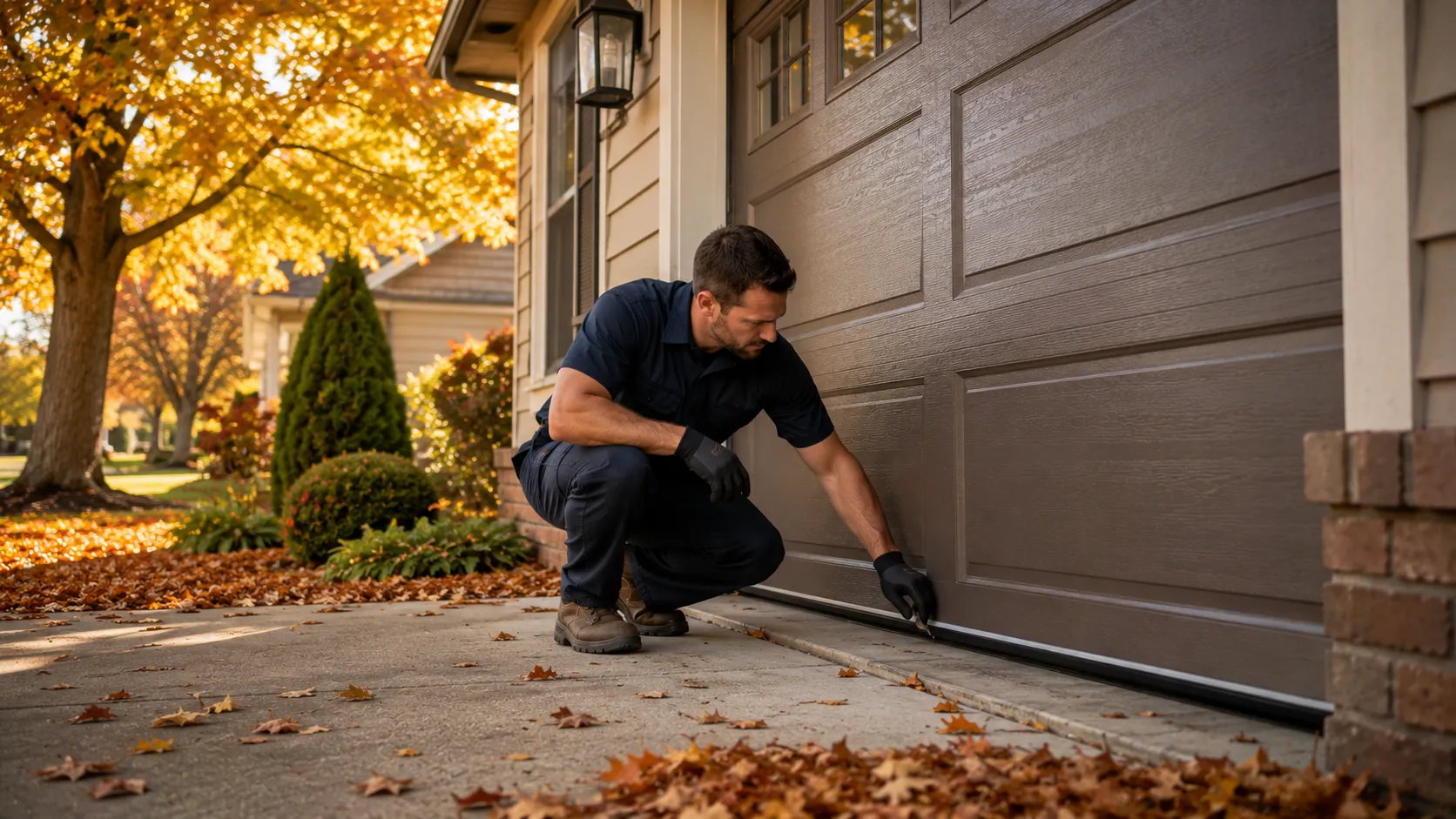
The moderate-cold band this area sits in doesn't bring the extreme swings some regions get, but it's enough to matter on hardware that's already decades old. Freeze-thaw cycles through the winter work on weatherstripping, track alignment, and spring temper the same way they work on driveways and foundations - slowly, then all at once on the coldest morning of the stretch.
Because so much of the housing here dates to a fairly narrow window - median build year 1976, spread mostly across the 1960s and '70s - a huge share of doors in Bolingbrook are hitting spring end-of-life around the same time. That's not a marketing line, it's just what happens when a town's housing stock is this concentrated in age. If your door is from that era and hasn't had the spring replaced yet, cold weather is when you'll find out.
How We Can Help
Garage Door Repair
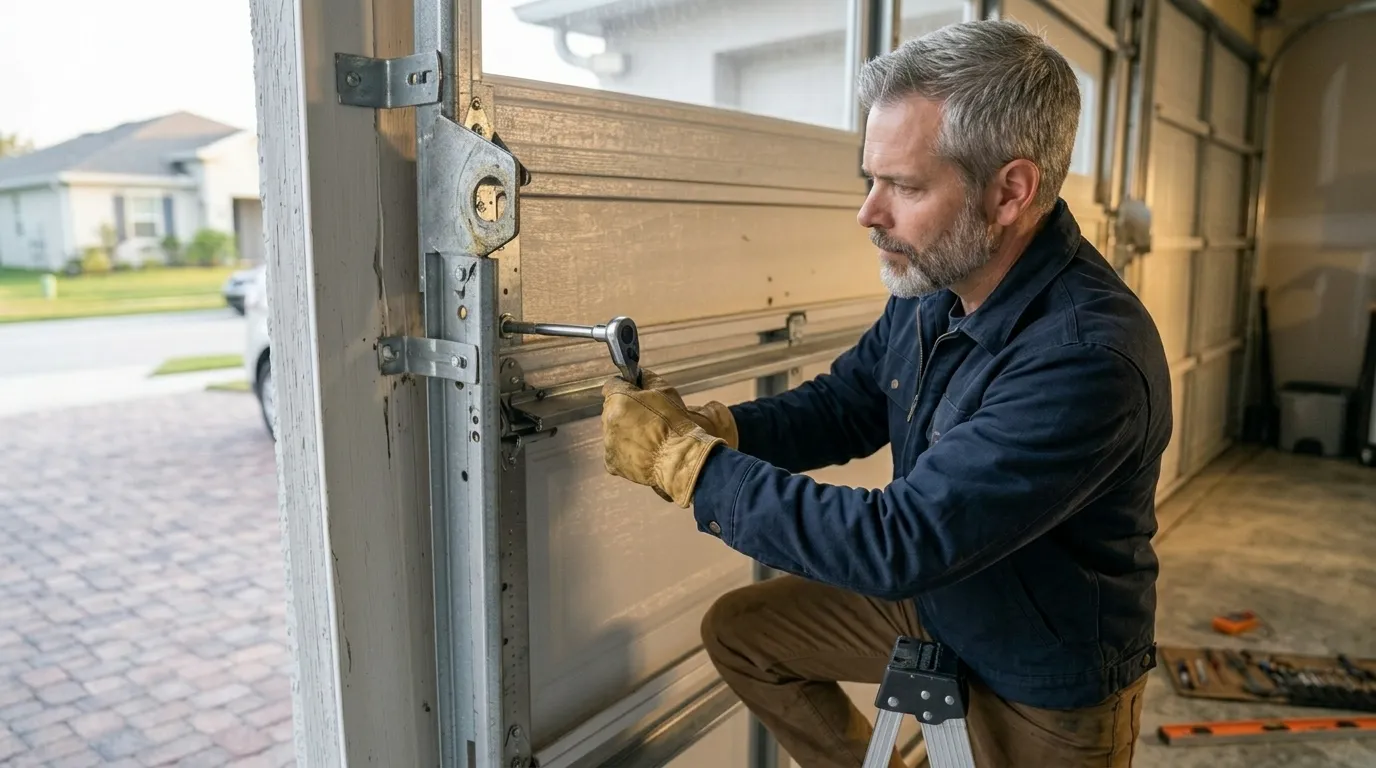
Springs, cables, tracks, rollers, and openers fixed by a tech who explains the problem before touching anything.
Learn more →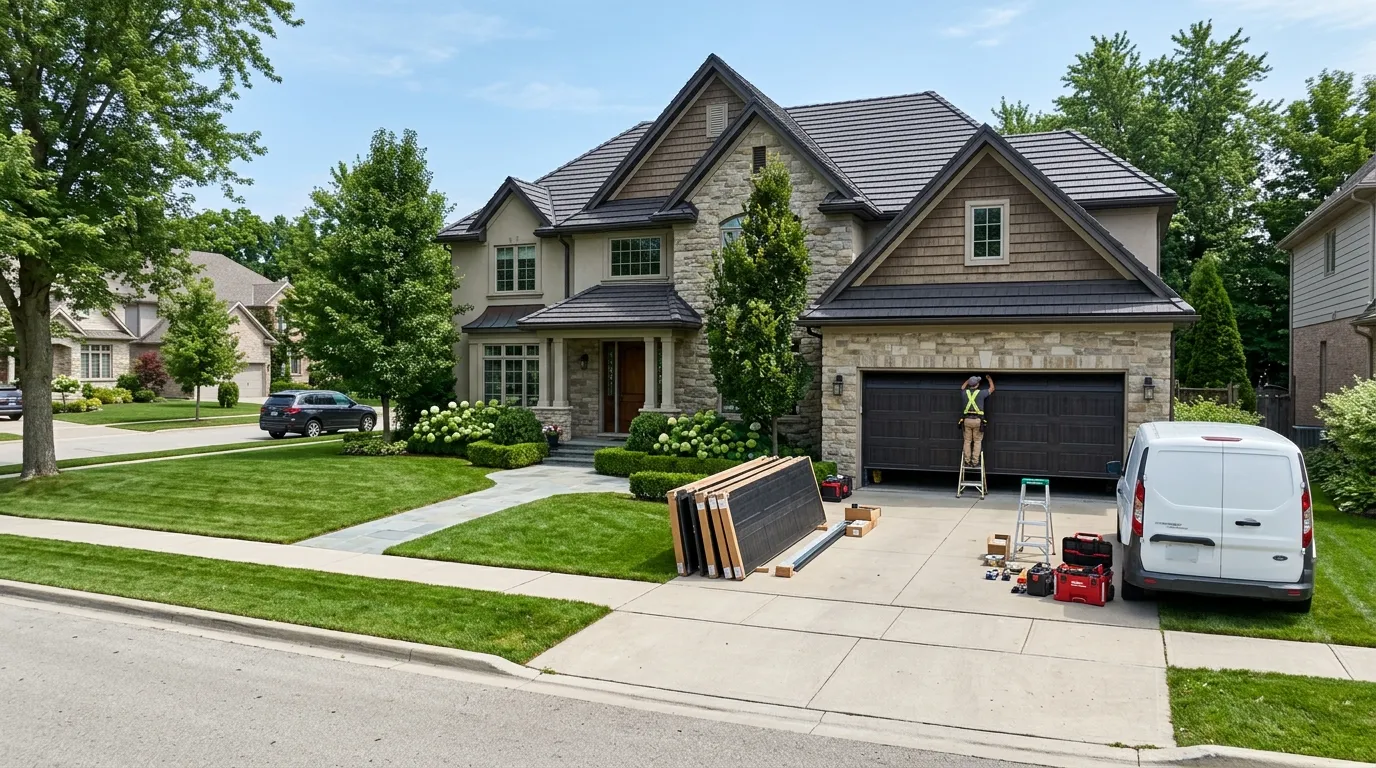
Garage Door Installation
New sectional doors sized and installed for the housing stock actually built in this area.
Learn more →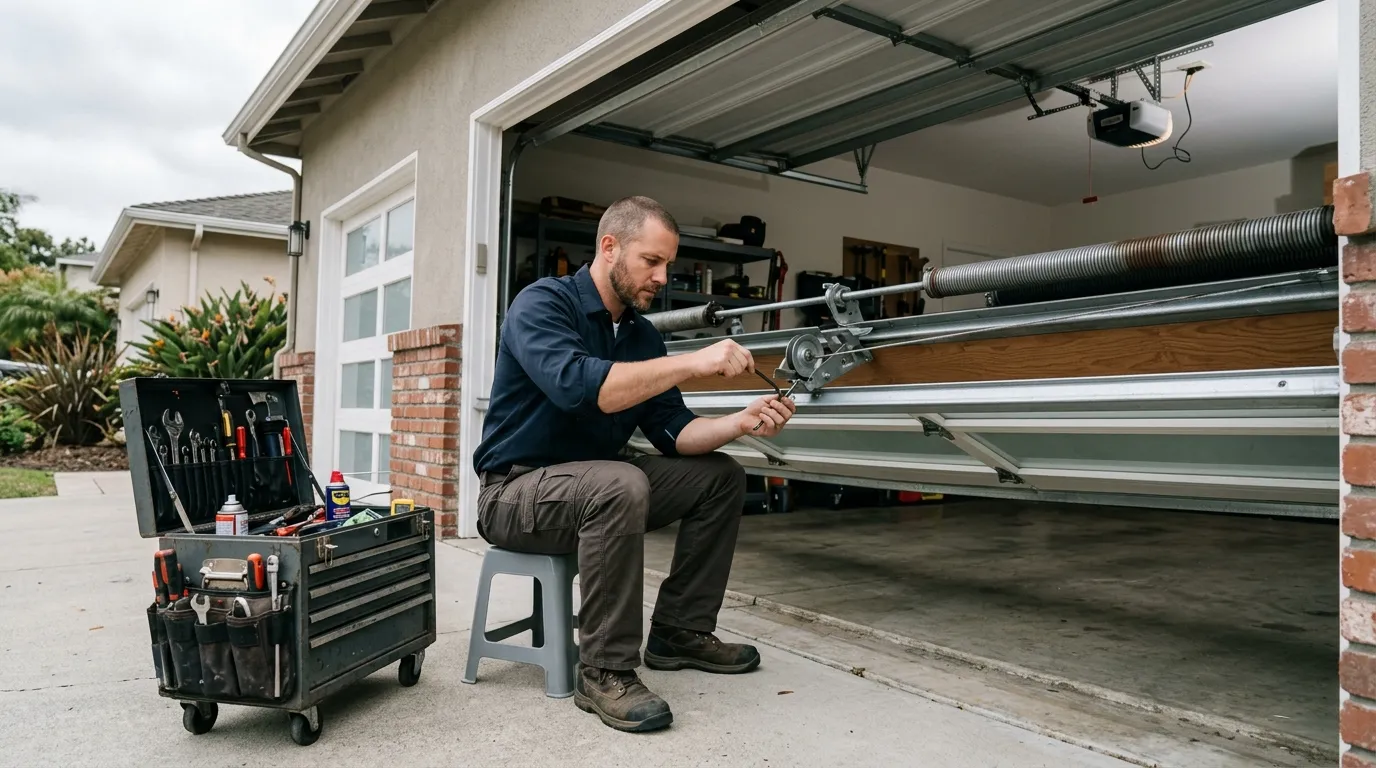
Garage Door Service
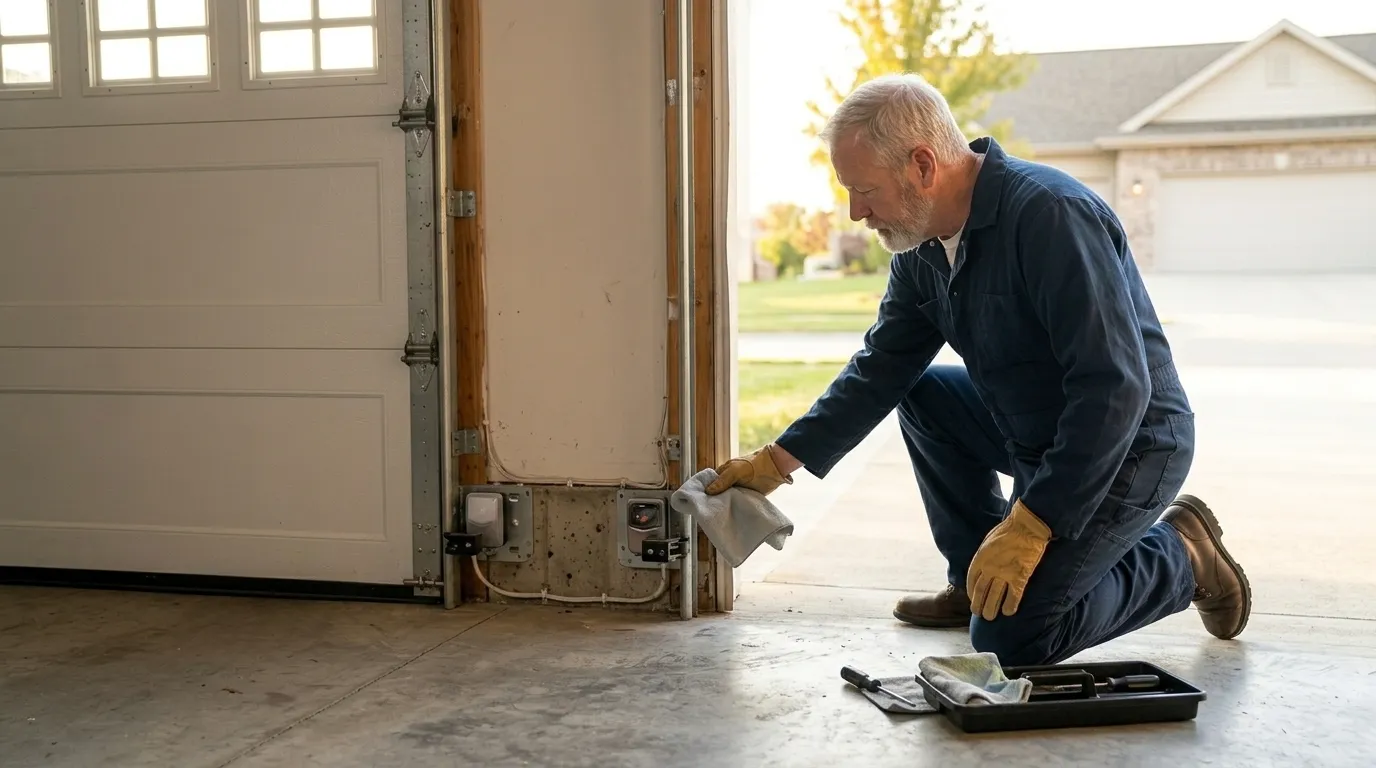
Tune-ups, lubrication, and safety checks that catch a small problem before it becomes a service call.
Learn more →Frequently Asked Questions
Why did my spring break specifically on a cold morning?
Cold steel has less give, and a spring that's already fatigued from years of temperature swings loses its last bit of flex right when it's coldest. In this area's moderate-cold winters, that's often the tipping point after a spring has been quietly wearing down for years on older hardware.
My house was built in the 1970s - is the spring original?
It's possible. A lot of Bolingbrook homes date to that decade, and if the spring has never been swapped, it's carrying forty-plus years of temperature cycles and use. That's well past normal service life for torsion springs, cold weather or not.
Can I just tighten or adjust the spring myself?
No. A wound torsion spring holds enough stored tension to cause a serious injury, and on older mounting hardware common in this area, the cones and plates are often too worn for a safe manual adjustment. This is a call, not a DIY fix.
The door is slow but still works - do I need to call now?
Not urgently. Slow response or minor noise on an otherwise working door usually points to rollers, hinges, or the opener, not the spring. That can be scheduled rather than treated as an emergency.
Have a Door That Needs a Second Opinion?
Call and describe what it is doing - we will tell you what it likely is.