Bolingbrook Garage Door Guide
What That Noise in Your Garage Actually Means
A guide for Bolingbrook homeowners on which garage door noises signal real trouble, tied to this area's 1960s-70s housing stock and cold winters.
- Licensed & Insured
- Same-Area Service Calls
- Upfront Pricing
When It Stops Being a DIY Job
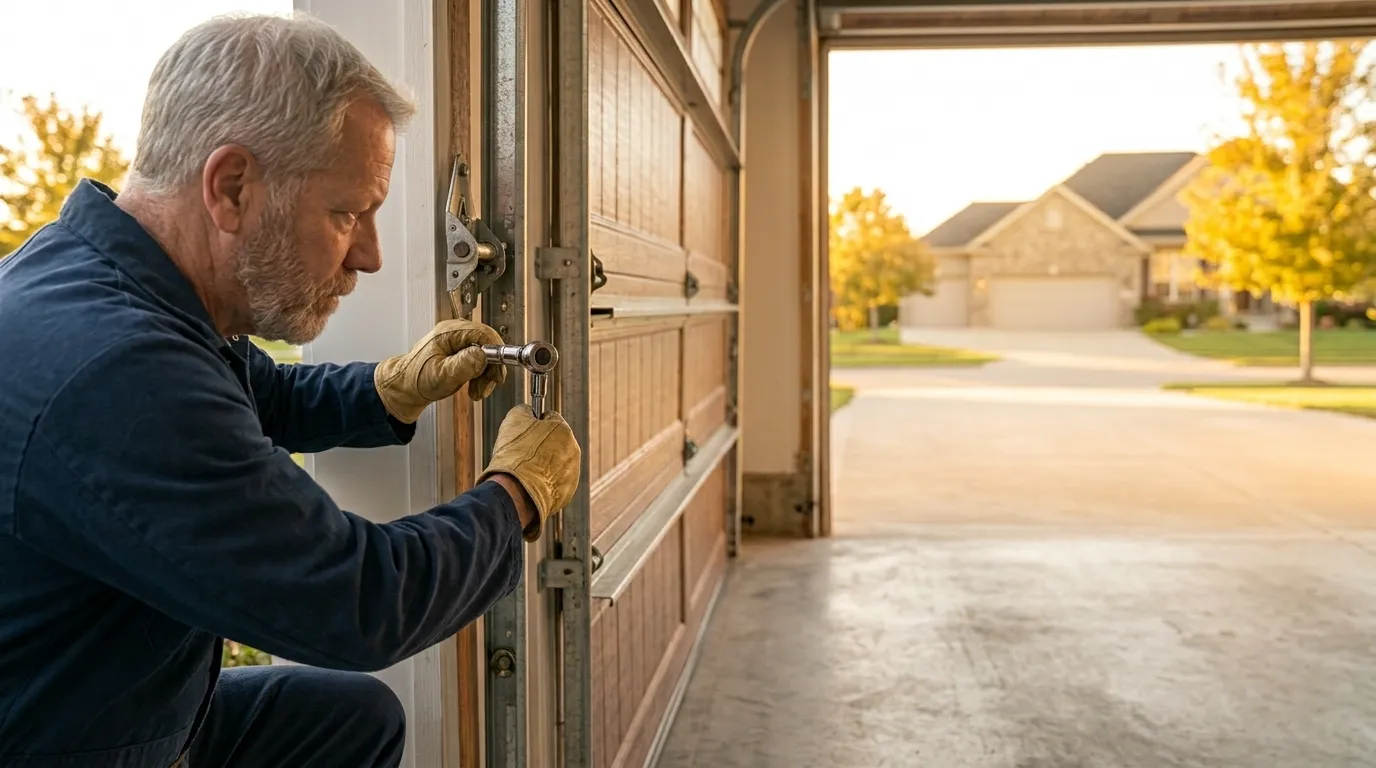
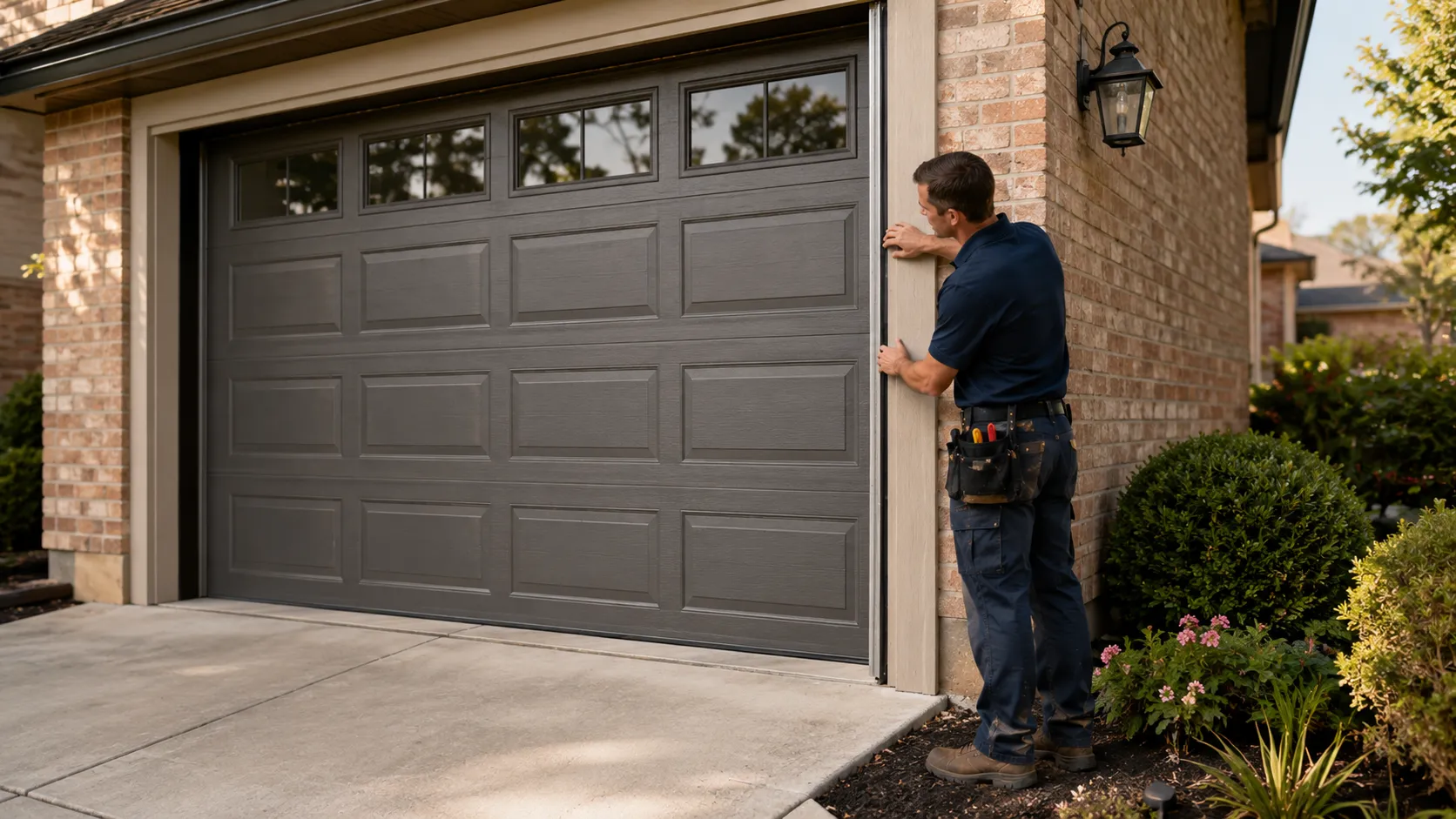
A lot of Bolingbrook houses went up in that long run between 1938 and 2004, but the bulk of the stock here dates to the 1960s and 70s. That matters because a door built or replaced on that timeline is old enough now that the original torsion spring, if it's still the first one, is well past its rated cycle count. If you hear a sharp bang followed by the door refusing to move, or going noticeably heavier on one side, that's a spring giving out, not a track that needs a squirt of lubricant.
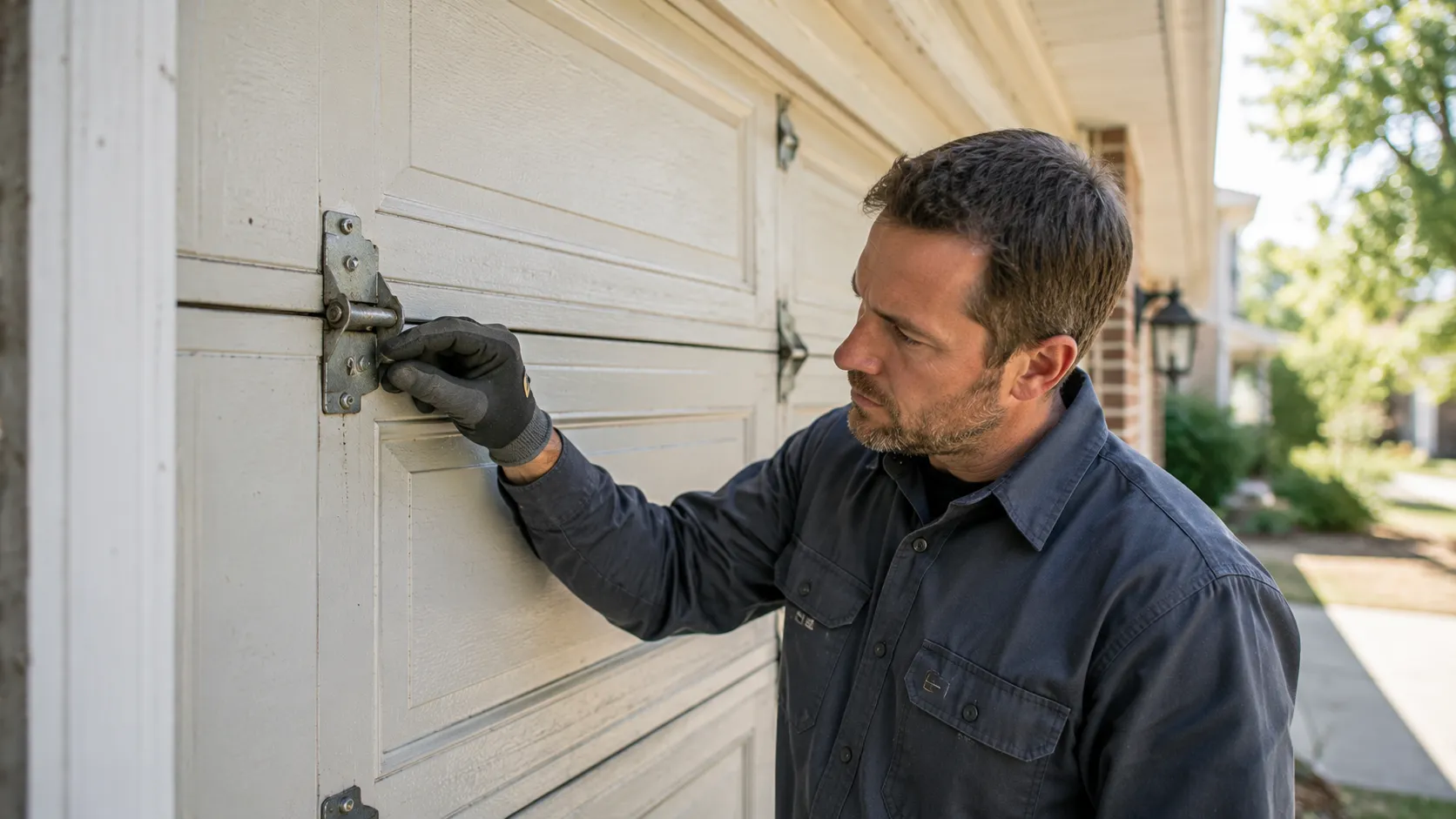
Stop pulling the emergency release and stop trying to force it by hand. A broken torsion spring under tension is one of the few jobs in this trade that can put someone in the hospital if they're guessing. If the noise is a grinding metal-on-metal sound coming from the top of the door as it travels, that's usually a roller or bearing plate that's seized, and it will get worse on its own timeline, not yours.
Either of those is a call, not a weekend project. Where you can still help yourself: a rattling opener chain or a squeaky hinge. Those are adjustment and lubrication, not repair.
The Problem
Houses built to a 1960s or 70s standard in this area weren't built with insulated steel doors or sealed bottom tracks in mind, and a lot of them still haven't been upgraded. So when a door in one of these older Bolingbrook houses starts making a low humming or straining sound on opening, it's often the opener motor fighting a door that's gone out of balance over decades of small settling in the track hardware, not a failing opener. Homeowners tend to replace the opener first because that's the part with the obvious motor noise.
That's usually money spent in the wrong place. A door that's out of balance will burn out openers faster than it should, sometimes more than once, before anyone checks the springs or the track alignment underneath. If you're on your second opener in a house that's original 1960s-70s stock, get the door itself checked before you buy a third.
When Waiting Is Fine
Not every sound is urgent. A dull thud once a day as the door seats on a slightly uneven slab is normal wear from a house settling over fifty-plus years and isn't worth an emergency call. A light rattle from the chain-drive opener at speed is normal for that opener type and doesn't mean it's failing.
If the noise only shows up on the coldest mornings and goes away by afternoon, that's often just cold-stiffened grease on the rollers, which brings us to the next point. None of that needs a truck out same day. It needs you to keep an ear on it and mention it if a tech is already out for something else.
How Local Conditions Play In
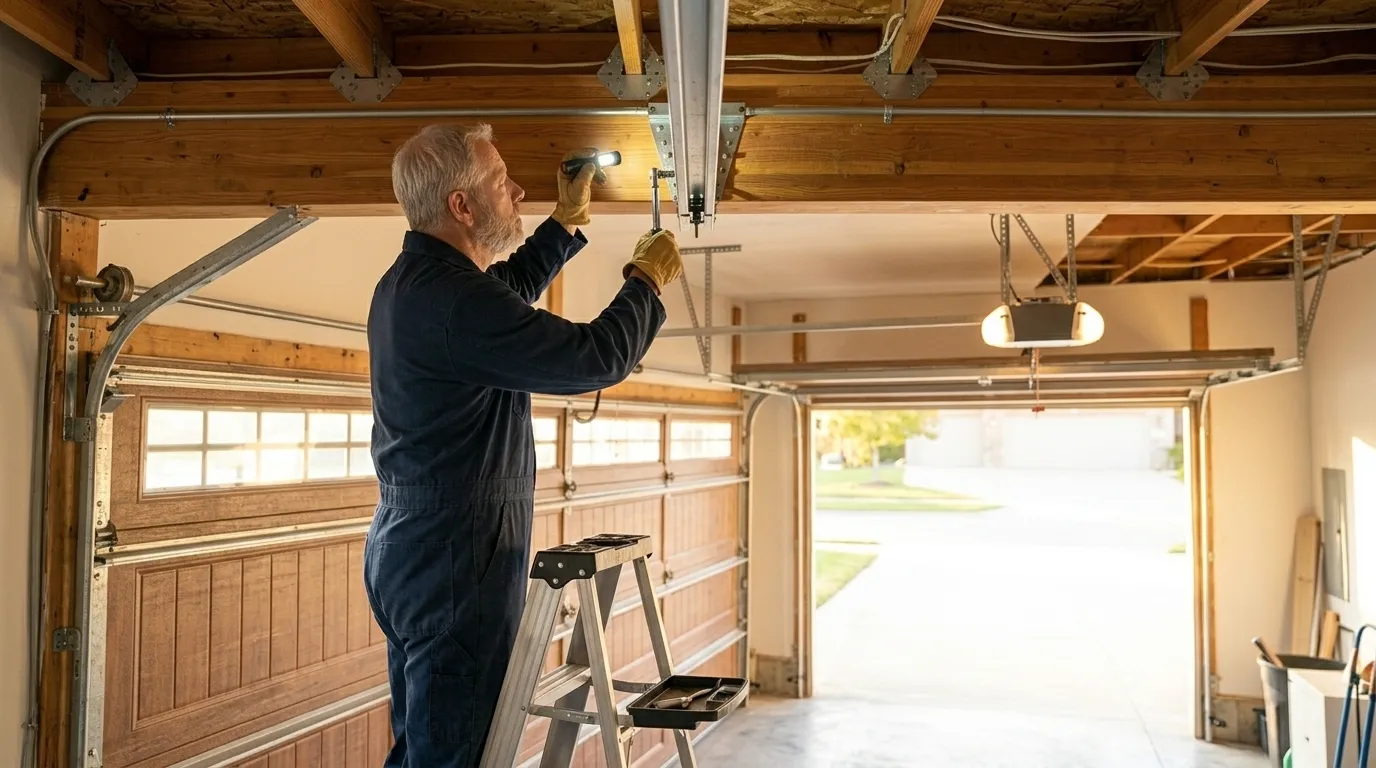
This area sits in a cold-moderate climate band, and that shows up in garage door behavior every winter. Steel contracts in the cold, and older track hardware from the 1960s-70s housing wave doesn't have the tolerance built into newer systems, so a door that ran quiet in September can start groaning or catching in January as metal parts tighten up against each other. A grinding or hesitant start on a cold morning that disappears once the door's cycled a few times is usually a hardware clearance issue made worse by temperature, not a new mechanical failure.
It's worth checking before the cold sets in rather than after, since a marginal roller or bearing that's fine in warm weather can bind hard once the metal shrinks. One limitation worth saying plainly: we can't diagnose a noise over the phone with any confidence. Sound travels strangely in a garage, and what sounds like a spring can be a track bracket, and what sounds like the opener can be the door itself.
It takes someone standing there running the door to know for sure.
How We Can Help
Garage Door Repair
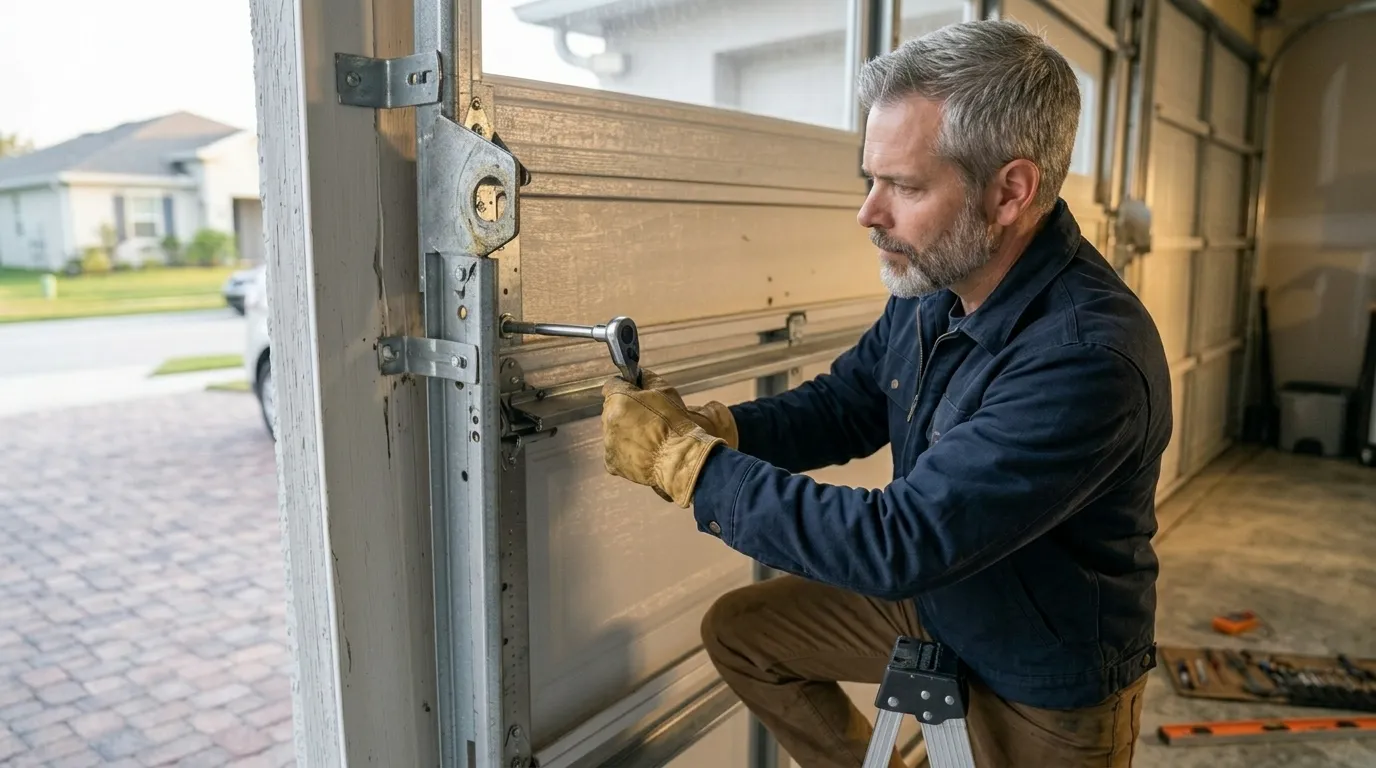
Springs, cables, tracks, rollers, and openers fixed by a tech who explains the problem before touching anything.
Learn more →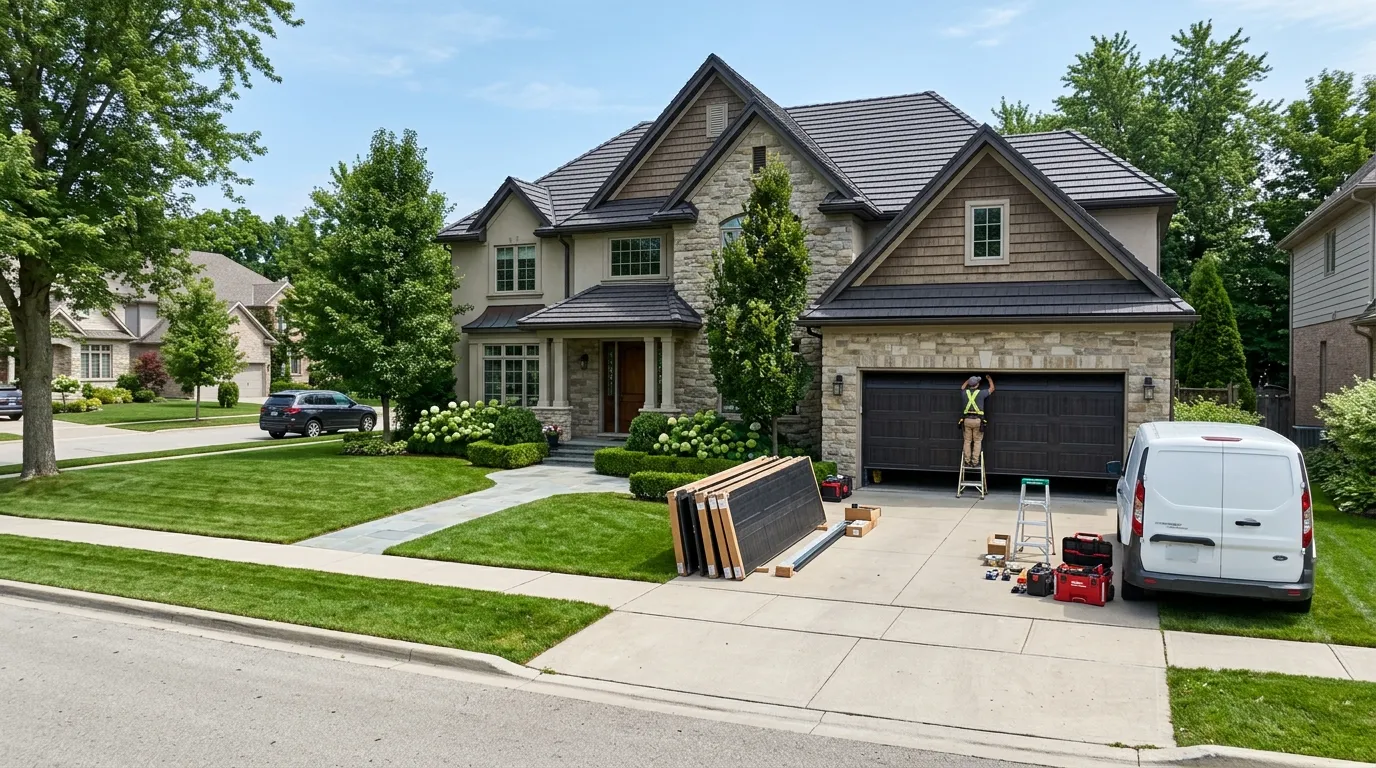
Garage Door Installation
New sectional doors sized and installed for the housing stock actually built in this area.
Learn more →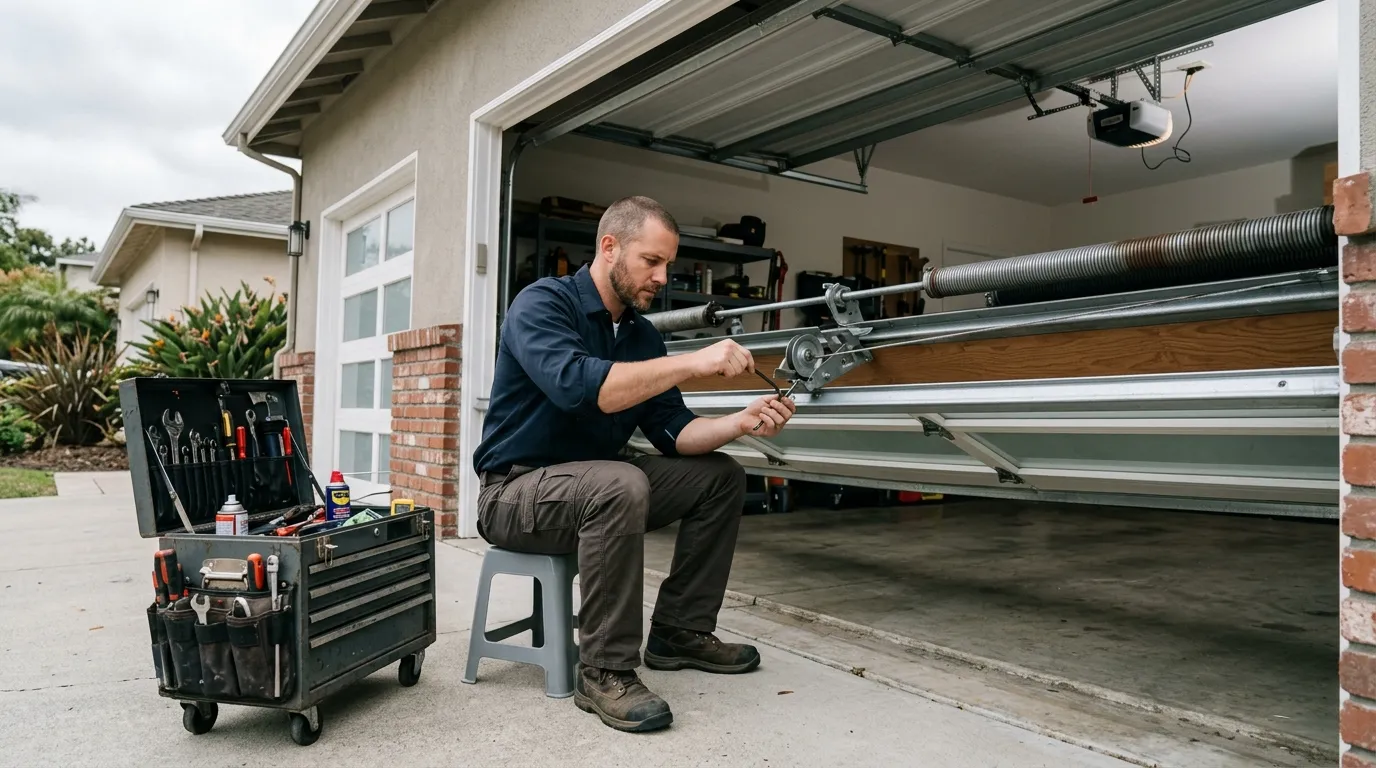
Garage Door Service
Tune-ups, lubrication, and safety checks that catch a small problem before it becomes a service call.
Learn more →Frequently Asked Questions
My garage door makes a loud bang and now won't open. Is that dangerous?
Yes, treat it as a broken torsion spring until proven otherwise. The spring holds the full weight of the door under tension, and a snapped one can whip loose hardware or drop a door unexpectedly. Don't use the emergency release or force it by hand. This is a call, not a wait-and-see.
Why does my door only make noise in the winter?
Cold-moderate winters here cause steel track hardware to contract slightly, and older 1960s-70s installations have less clearance built in than newer ones. That tightness shows up as grinding or hesitation on cold mornings that eases once the door's run a few cycles. Worth checking before it binds hard.
I've replaced my opener twice. Why does it keep failing?
An opener working against a door that's out of balance wears out faster than normal, sometimes repeatedly. If your house is original 1960s-70s stock and the opener keeps dying, have the door and springs checked before buying another opener. The motor is often not the actual problem.
Can you tell what's wrong just from a description of the noise?
Not reliably. Sound behaves oddly inside a garage, and a track bracket, a spring, and an opener can all produce a similar noise from outside the room. We need to see the door run to know for sure.
Have a Door That Needs a Second Opinion?
Call and describe what it is doing - we will tell you what it likely is.