Bolingbrook Garage Door Guide
When an Old Bolingbrook Garage Door Is Worth Saving
A guide for Bolingbrook homeowners on when a garage door built in the 1960s-70s stock era is worth repairing versus replacing, based on local housing age and winter conditions.
- Licensed & Insured
- Same-Area Service Calls
- Upfront Pricing
When It Stops Being a DIY Job
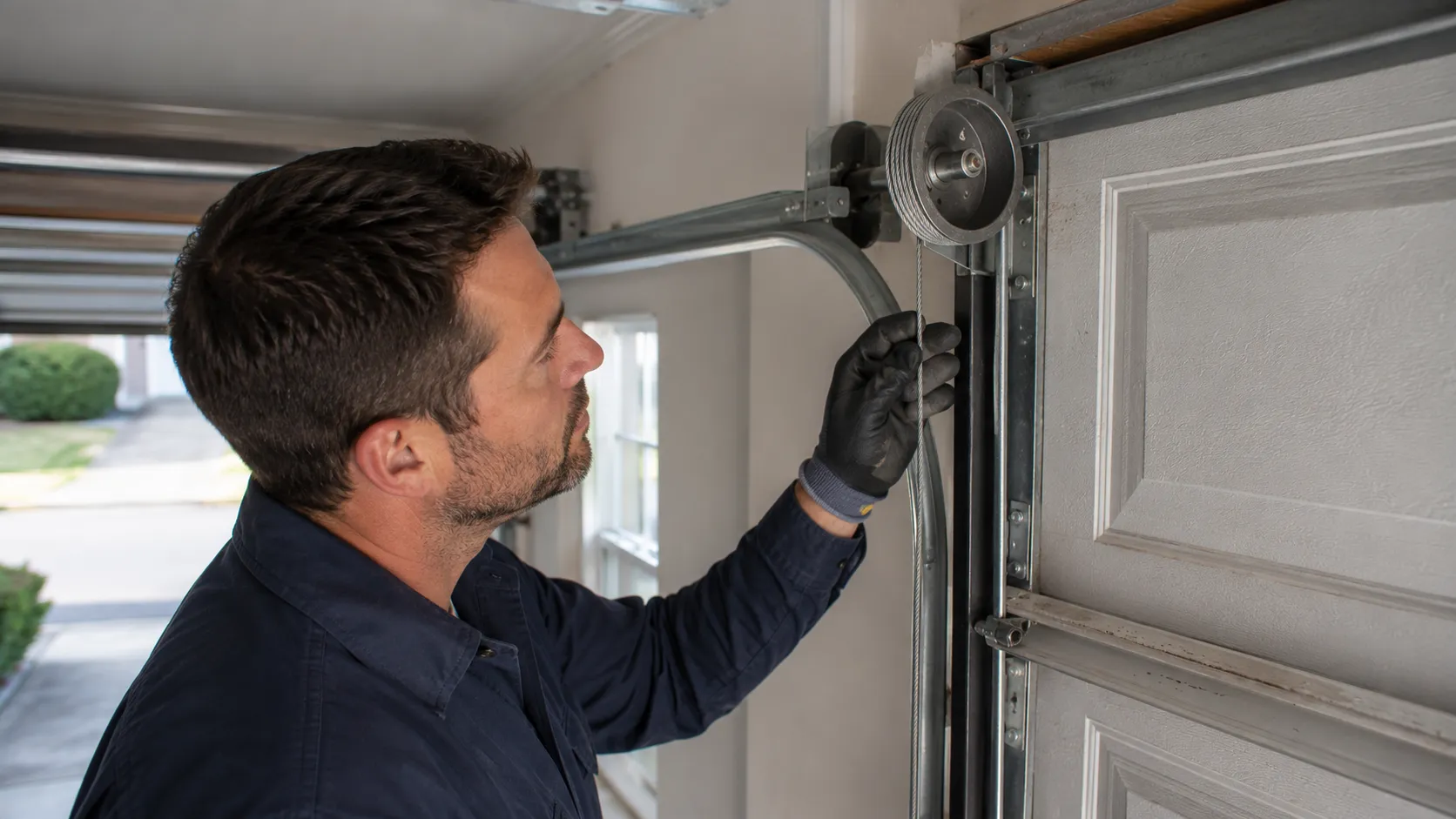
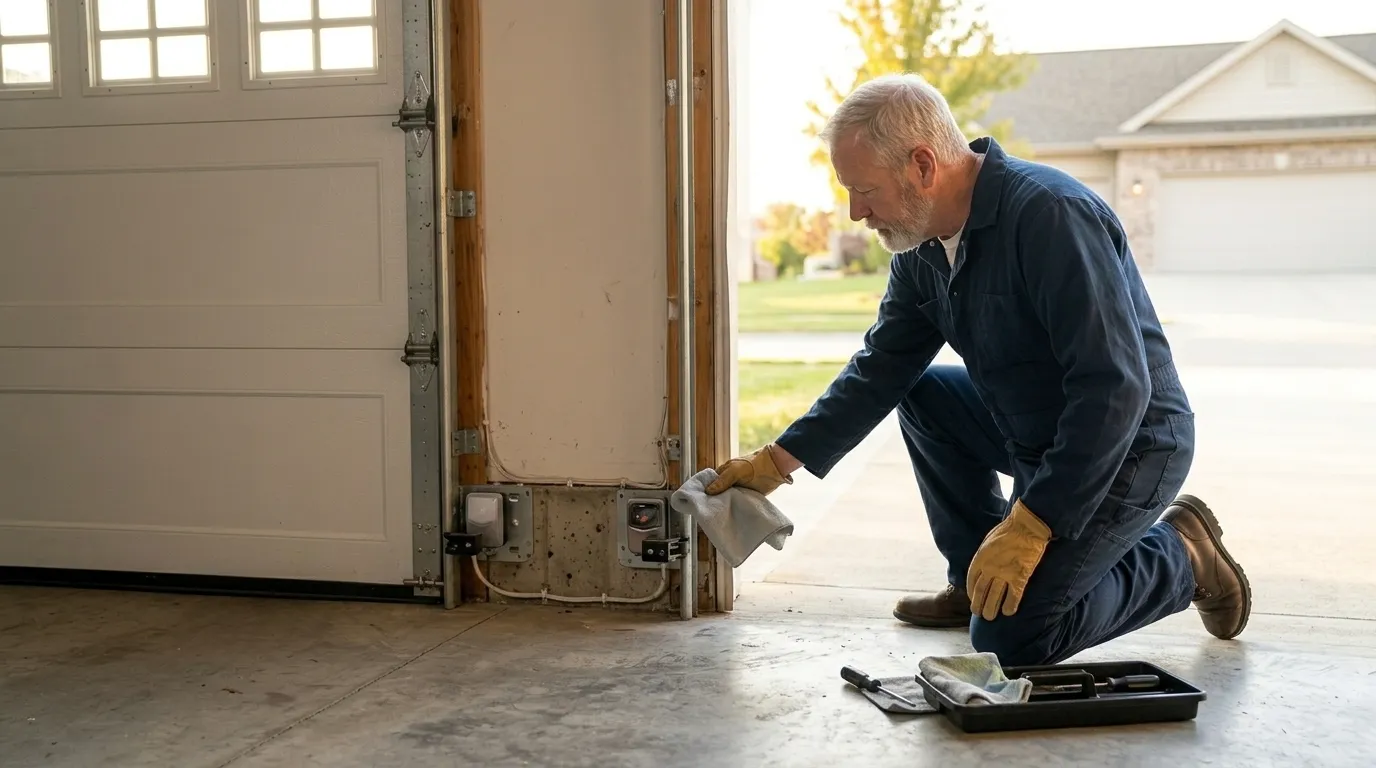
A lot of the doors we look at around here came in with houses built between 1938 and 2004, with the bulk of that stock dating to the 1960s and 70s across the area's named subdivisions. That means original hardware: single torsion springs sized for lighter steel doors, galvanized cable that's had forty-plus winters on it, and rollers that were never meant to run this many cycles. If you're greasing a track or tightening a loose bracket bolt, that's still a homeowner job.
Once a spring is off its winding cone, once a cable has frayed strands, or once the door is off its tracks under tension, that's where the job stops being safe to finish yourself. Torsion springs store enough energy to break a wrist or worse, and on a door this old the mounting hardware around the spring anchor bracket is often as tired as the spring itself. If you're not sure whether a part is original 1970s stock or something replaced later, that uncertainty alone is a reason to stop and call rather than guess at a spring's wind count.
The Problem
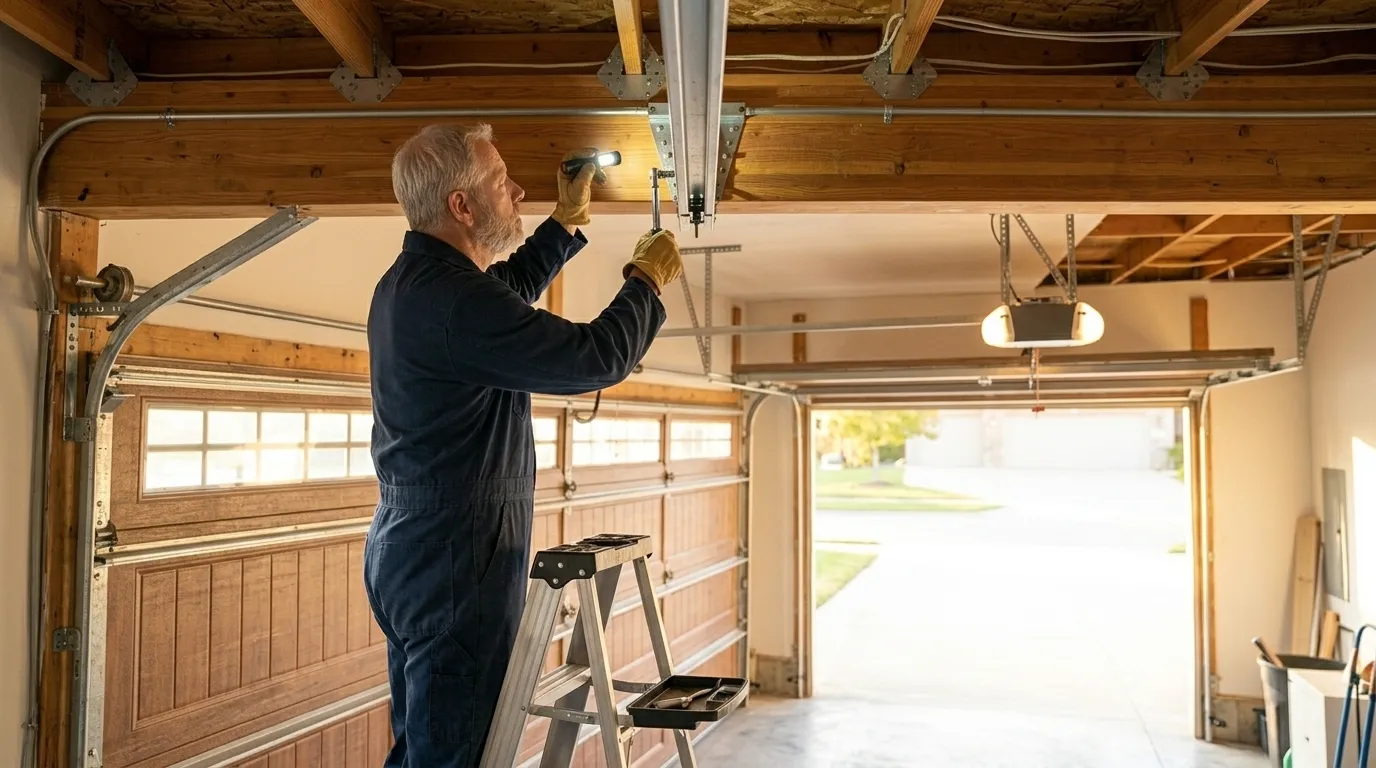
The core issue with a door from the 1976 median-build era isn't usually the panels - steel holds up fine if it hasn't been dented. It's everything that moves. Torsion springs from that period were often undersized by today's cycle-life standards, and after decades of Illinois winters the steel fatigues faster than people expect.
We also see a lot of single-spring setups on doors that would run smoother, and safer, on a two-spring configuration, simply because that's what was standard when these subdivisions were built in the 1960s and 70s. Add cold-band winters where temperature swings stiffen lubricant and shrink metal tolerances, and an aging spring that was already near the end of its rated cycles gets pushed over the edge on the coldest morning of the year. That's the pattern we see: not a random failure, but a slow accumulation of wear that a 40- to 50-year-old door was never built to handle without service.
When Waiting Is Fine
Not every issue on an older door needs an immediate call. If the door is noisy but still opens and closes evenly, tracking straight, and closing flush with the floor, you can usually wait and get it looked at on a normal schedule rather than treating it as an emergency. A little surface rust on hinges, a hairline gap under the bottom seal, or a slightly slow opener chain, none of that fails suddenly.
The exception is anything to do with spring tension or cable condition, because those don't degrade politely, they let go. We'll say plainly: we don't recommend replacing a whole door just because it's old. If the panels are straight and the track is square, a full hardware service, springs, cables, rollers, often gets another decade out of a door built during that 1960s-70s run, at a fraction of replacement cost.
How Local Conditions Play In
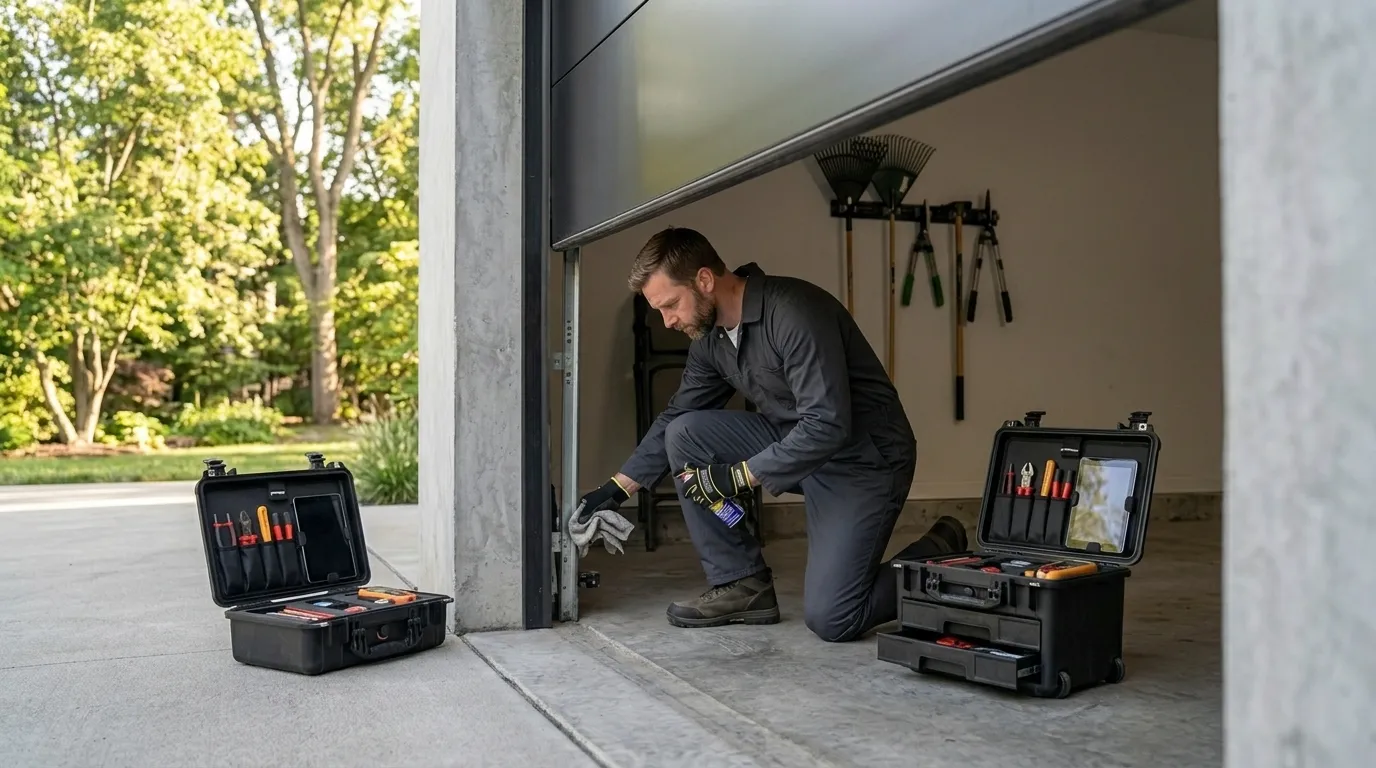
Bolingbrook sits in a cold, moderate climate band, and that matters more for an older door than people assume. Steel contracts in the cold, and a spring that's already fatigued from thirty or forty years of cycling has less margin left when temperatures drop and the coils tighten. That's part of why winter mornings are when we see the most spring failures on doors from this era.
It's not bad luck, it's a fatigued part meeting a cold snap. Homes across this area, with household incomes running well above the national median, often have finished garages or attached mechanical rooms, so a stuck door isn't just an inconvenience, it can affect heat loss into the rest of the house. If your door dates to that original 1938-2004 build window and you haven't had the springs and cables checked against current cycle-life standards, cold weather is exactly when that gap shows up.
How We Can Help
Garage Door Repair
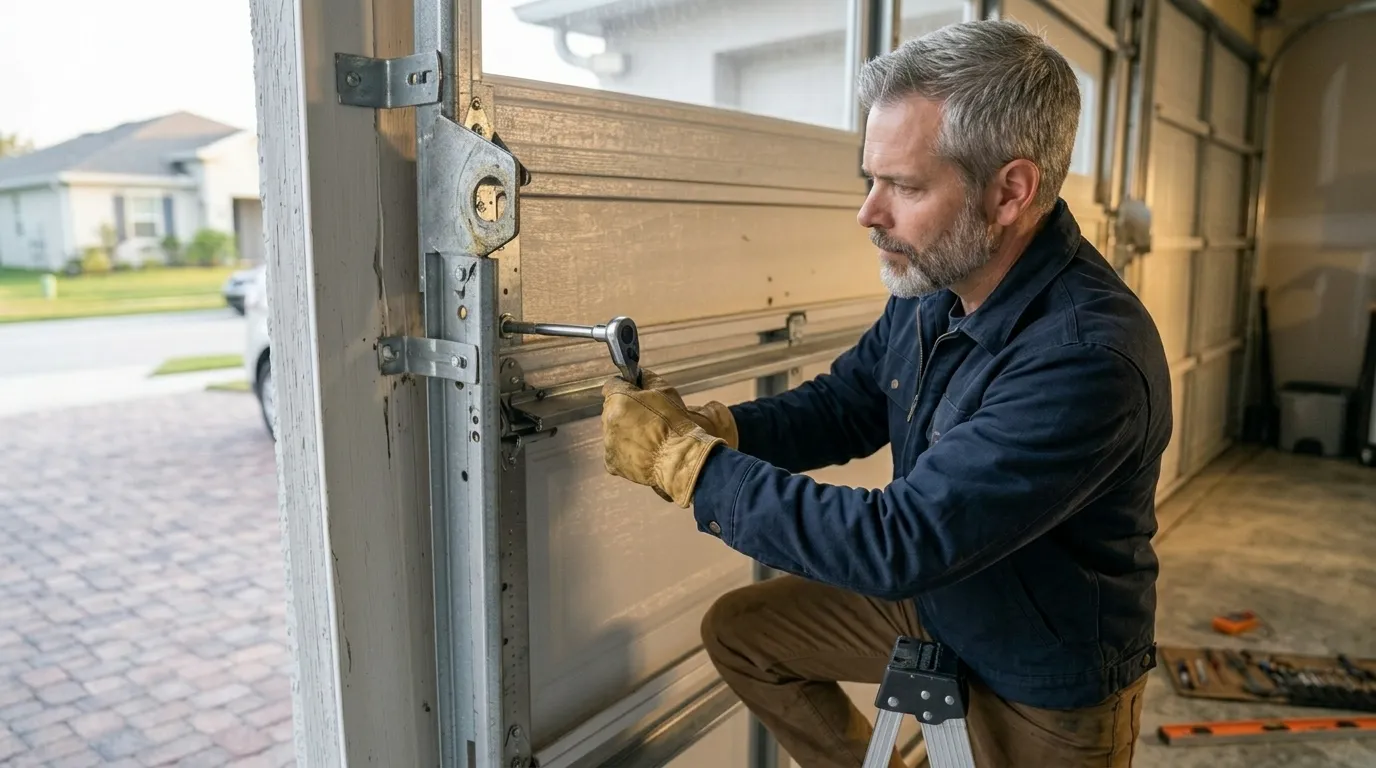
Springs, cables, tracks, rollers, and openers fixed by a tech who explains the problem before touching anything.
Learn more →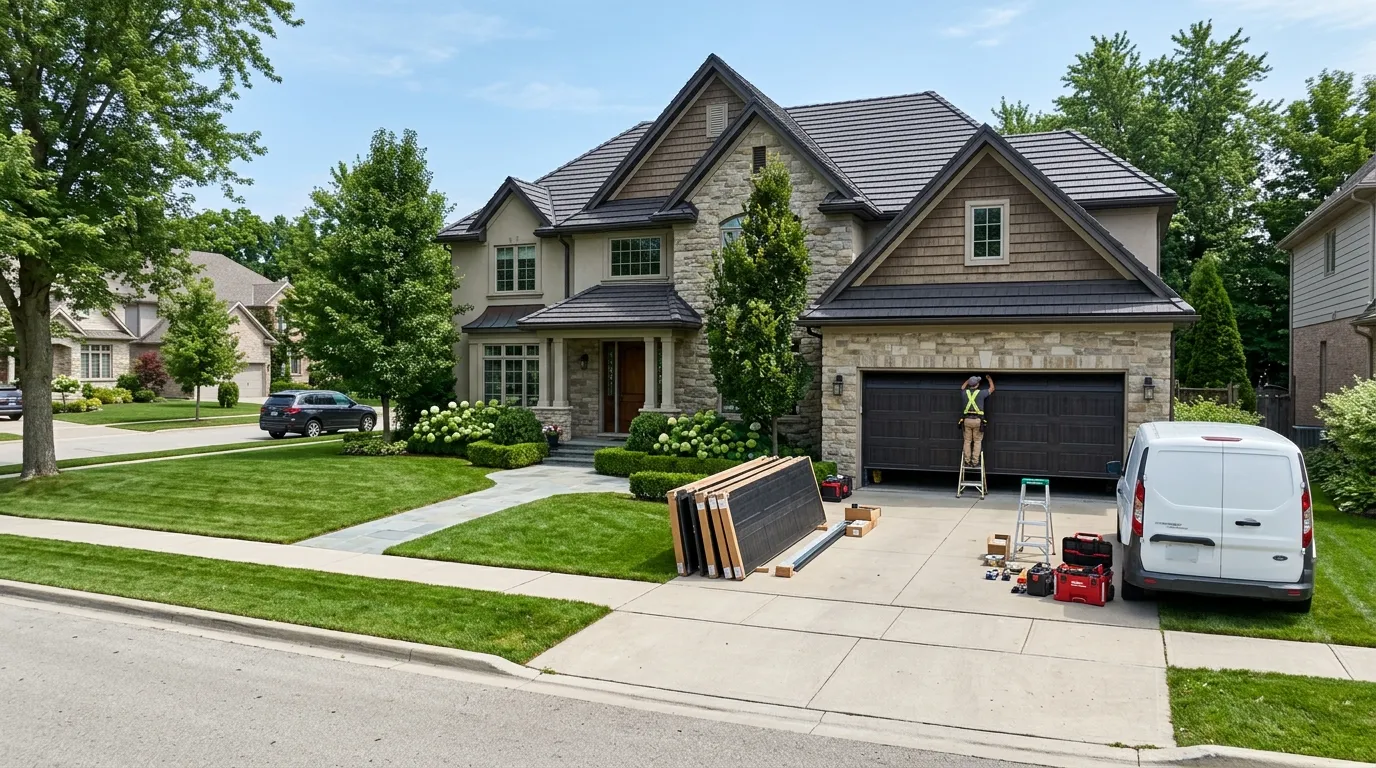
Garage Door Installation
New sectional doors sized and installed for the housing stock actually built in this area.
Learn more →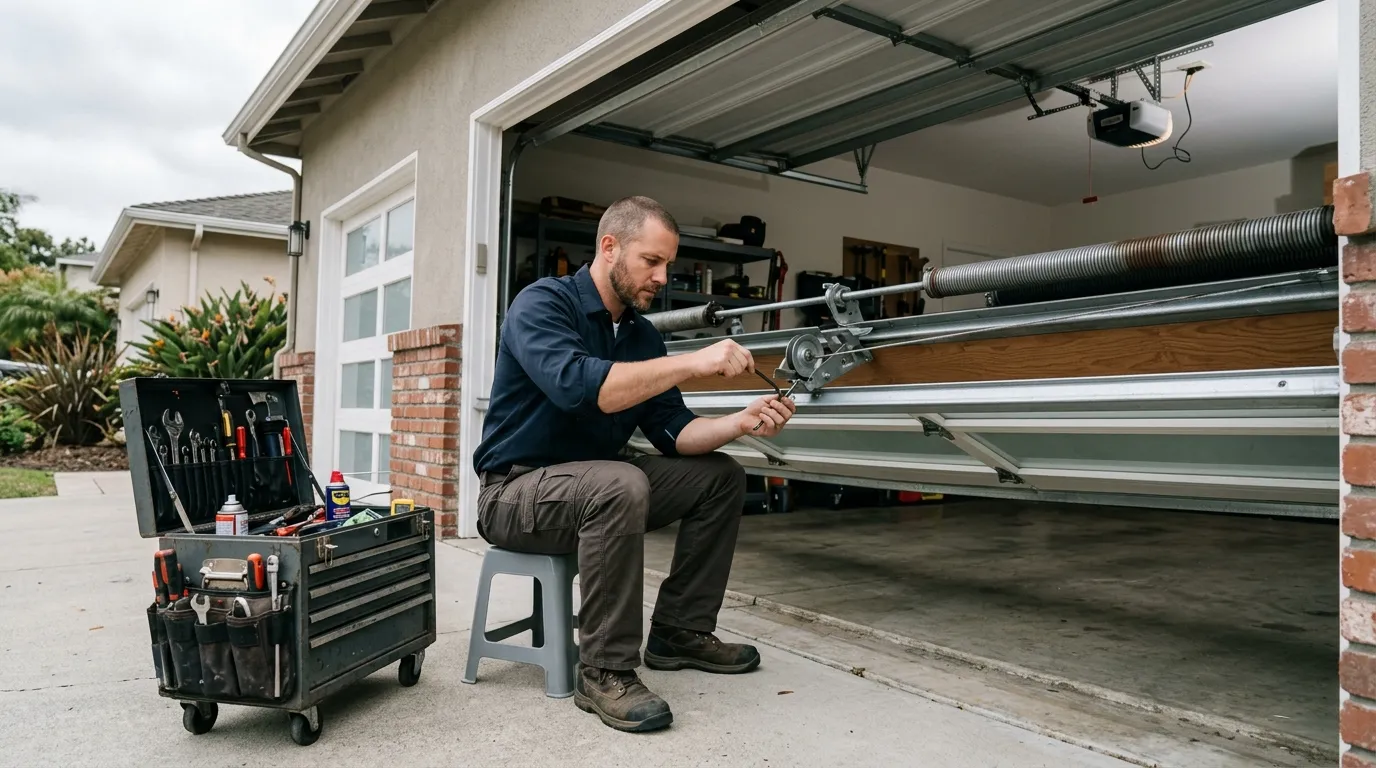
Garage Door Service
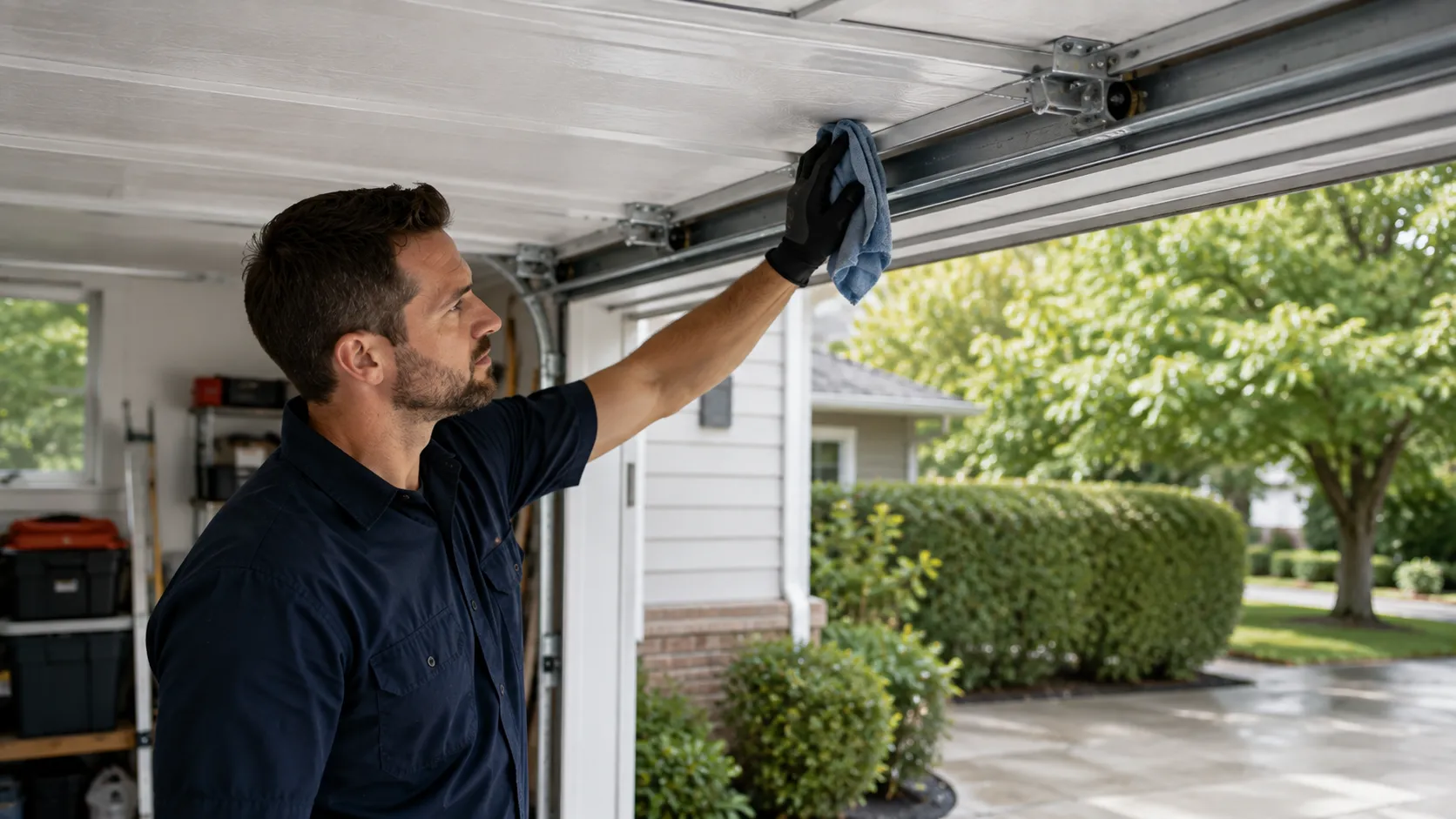
Tune-ups, lubrication, and safety checks that catch a small problem before it becomes a service call.
Learn more →Frequently Asked Questions
Is it worth fixing a garage door from the 1970s or should I replace it?
If the panels are straight and the track is square, it's almost always worth fixing. Most of what fails on a door that age is the hardware, springs, cables, rollers, not the door itself. A full hardware service costs far less than replacement and can add another decade of service to a well-built original door.
Why do older garage doors in Bolingbrook fail more in winter?
Cold contracts the steel in torsion springs, and a spring that's already fatigued from decades of cycling has less margin left when temperatures drop. Homes here sit in a cold, moderate climate band, so that seasonal swing is a real factor, not a coincidence, for doors original to houses built in the 1960s and 70s.
How do I know if my garage door spring is original to the house?
If your home was built in that common 1960s-70s stretch and the spring has never been replaced, it's likely original, meaning decades past its rated cycle life. A visibly worn or gapped coil, or a spring that looks different in finish from newer hardware nearby, is a sign it's original and due for inspection.
Have a Door That Needs a Second Opinion?
Call and describe what it is doing - we will tell you what it likely is.