Bolingbrook Garage Door Guide
When the Power Cuts Out, Your Opener in Bolingbrook Shows Its Age
Bolingbrook homes built mostly in the 1960s-70s pair aging garage door openers with cold-weather power cuts. Here's what to fix now and what can wait.
- Licensed & Insured
- Same-Area Service Calls
- Upfront Pricing
When It Stops Being a DIY Job
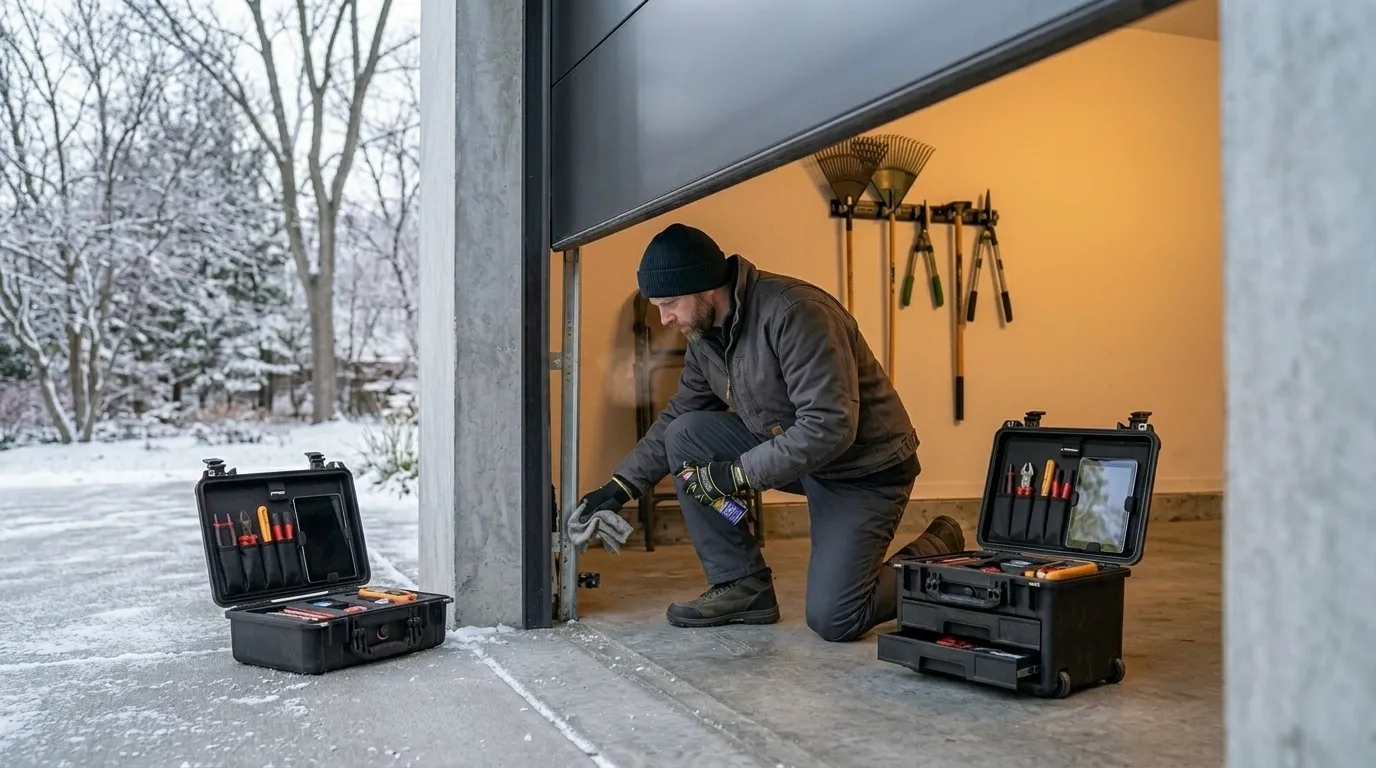
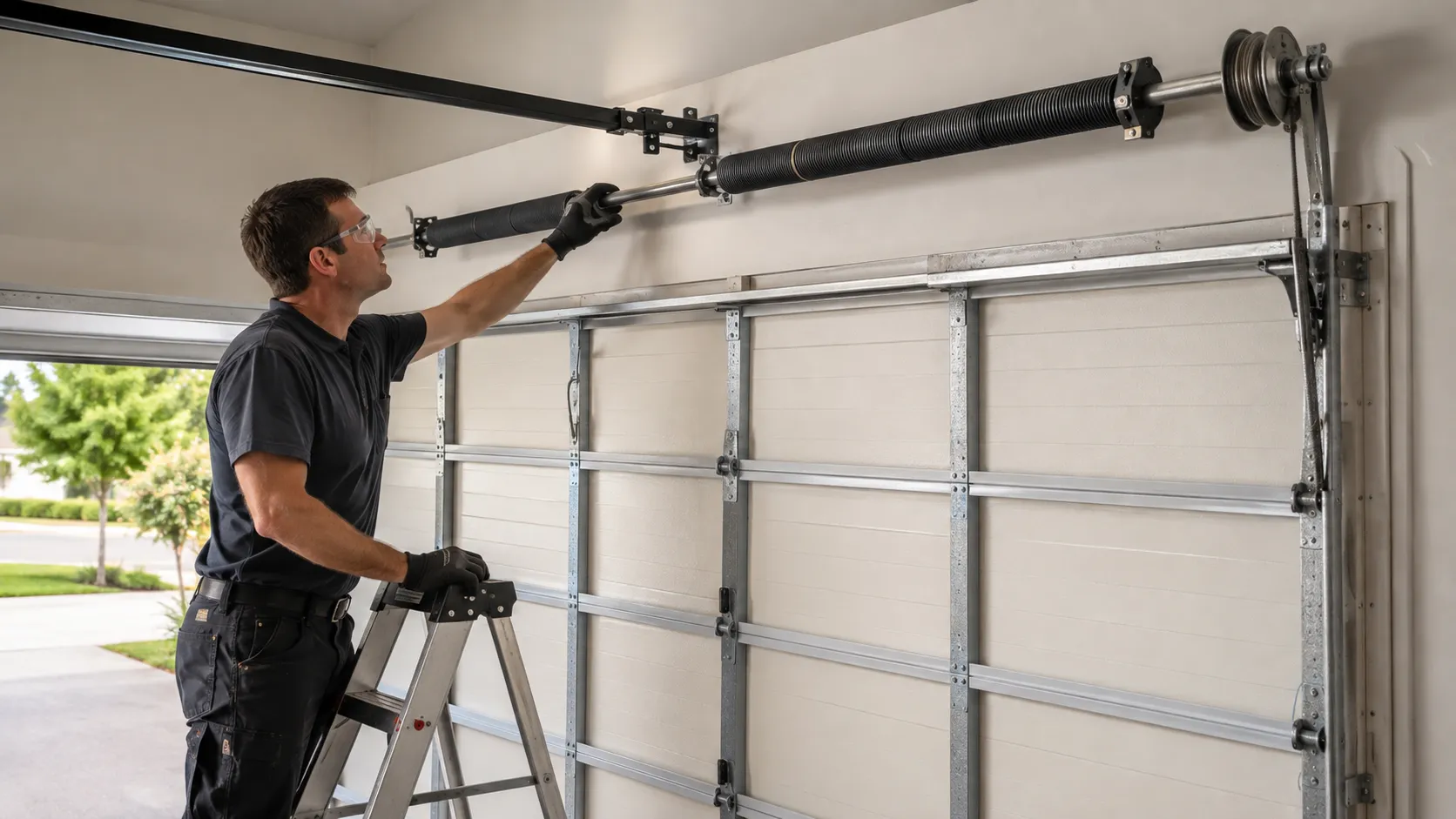
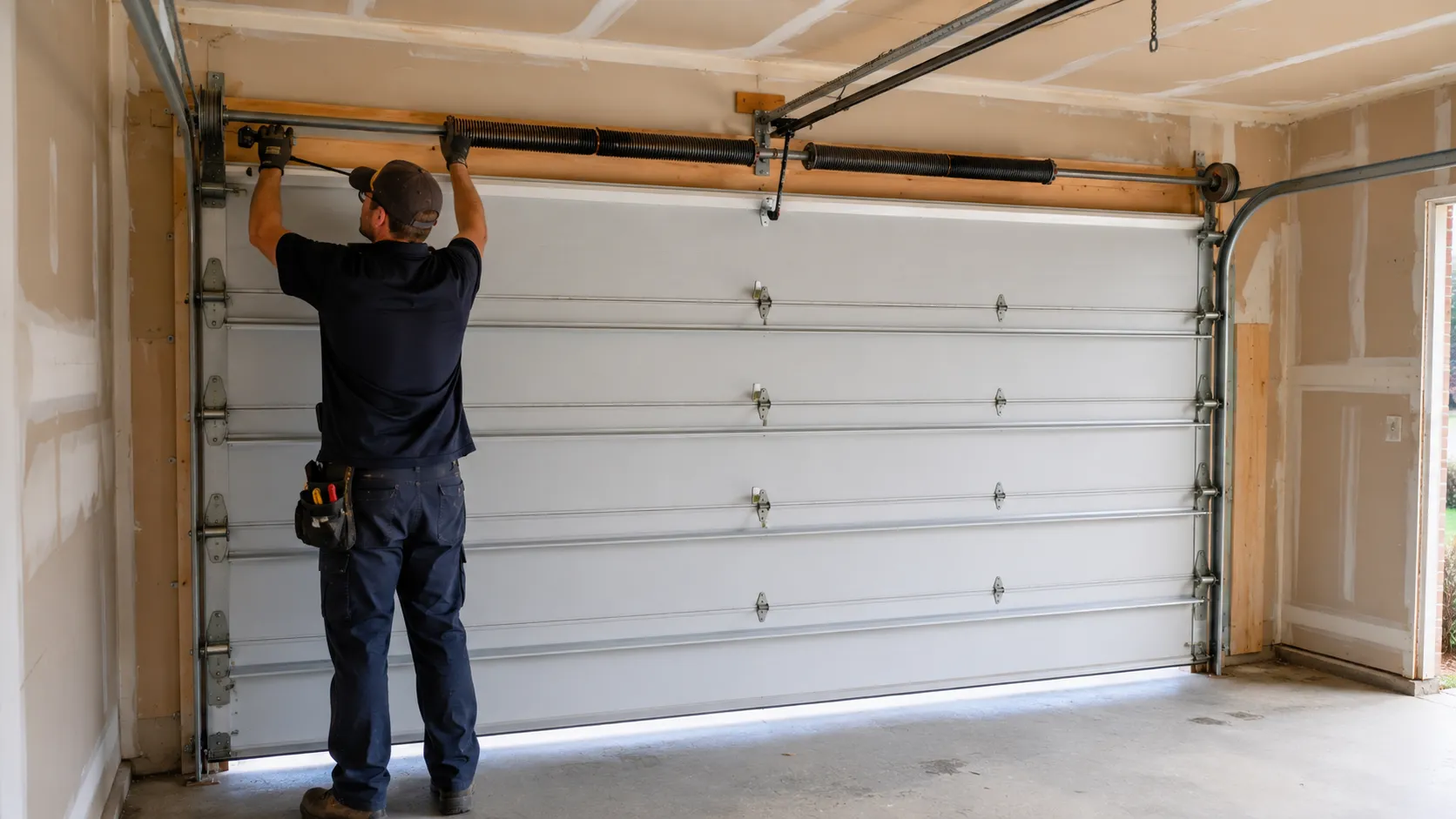
Pulling the red release cord and lifting the door by hand during a power cut is fine - every opener has that cord for a reason, and most homeowners in this area figure it out on their own the first winter they need it. Where it stops being a DIY job is when the power comes back and the opener doesn't. If the motor hums but the door doesn't move, or the lights blink and nothing engages, that's usually a fried circuit board or a capacitor that gave out during the surge when power returned, not something you fix with a manual reset.
A lot of the housing stock here dates to the 1960s and 70s, and openers in those garages have often been swapped once or twice since the house was built, sometimes onto wiring and outlets that weren't planned for a modern unit with a battery backup draw. If your opener is original to a mid-century remodel rather than the house, a licensed look at the circuit before you replace the unit itself can save you from doing it twice. We don't do electrical panel work - that part's on an electrician, not us.
The Problem
Bolingbrook sits in a cold-moderate climate band, which means winter isn't a once-a-decade event here - it's a recurring stress on anything with a motor and a sensor pair mounted in an unheated garage. Power cuts during winter storms are the obvious trigger, but the quieter problem is what cold does to opener logic boards and battery backups over repeated freeze-thaw cycles. A board that's marginal in October can fail outright the first time it loses power at 10 degrees and then gets asked to restart cold.
Add in a housing stock with a median build year of 1976, and you've got a large share of garages where the opener has already been replaced at least once, often with whatever was in stock at the time rather than a unit matched to the door weight or the garage's exposure. That mismatch doesn't show up until the day the power drops and the backup battery, if there is one, can't carry the load. It's not dramatic until it is - a door that won't close at all, stuck half-open, in a driveway that just iced over.
When Waiting Is Fine
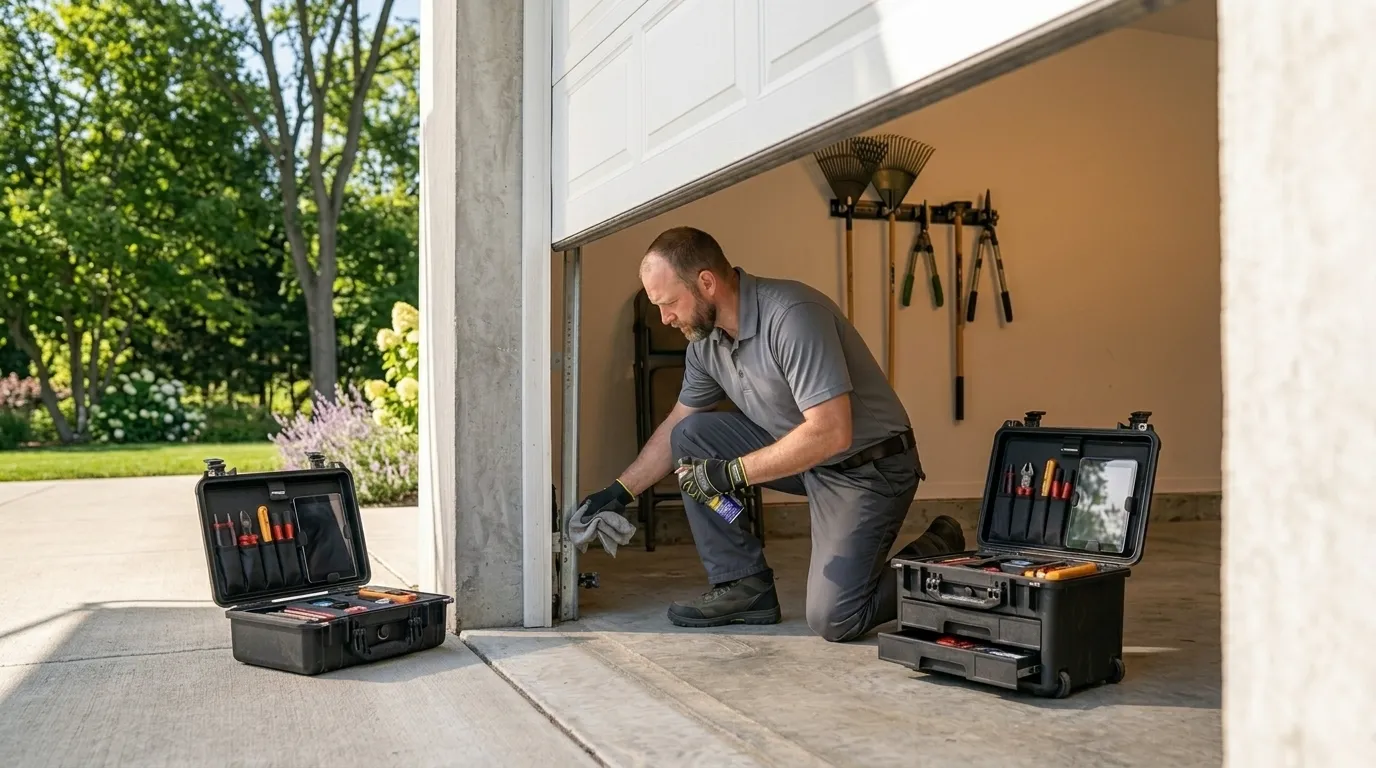
Not every opener issue after a power cut needs a same-day call. If the door works fine on manual release, closes and locks by hand, and the only thing not functioning is the automatic opener itself, you can wait a few days to schedule someone without leaving the house unsecured. Same goes for safety sensors that are just knocked out of alignment - a common side effect of someone bumping the garage during a dark, powerless evening - since a door that reverses or won't close on sensor error is doing exactly what it's supposed to do.
Where we'd tell you to wait: if the only symptom is the wall button not lighting up but the remote still works, that's likely just a tripped breaker or loose wire nut, worth checking yourself before booking a job. Given the median household income and ownership rate across this service area, most people here have the option to fix on their own schedule rather than treat every opener hiccup as an emergency, and that's usually the right call.
How Local Conditions Play In
The two things that matter most for openers and power cuts in this area are the age of the housing stock and the climate band, and they compound each other. Homes built in the 1960s and 70s - most of what's here - were often wired for garages as an afterthought, meaning openers sometimes share a circuit with something else in the house, so a cut isn't always weather, it can be a shared load tripping under normal use. Cold-moderate winters mean that circuit gets stressed hardest exactly when you need the door most, heading out in the morning or getting home after dark.
None of this means every opener in Bolingbrook is due for replacement. It means that when one fails right after a power event, the fix usually has to account for both the unit's age and what it's plugged into, not just swap the board and call it done. We look at both before quoting a repair.
How We Can Help
Garage Door Repair
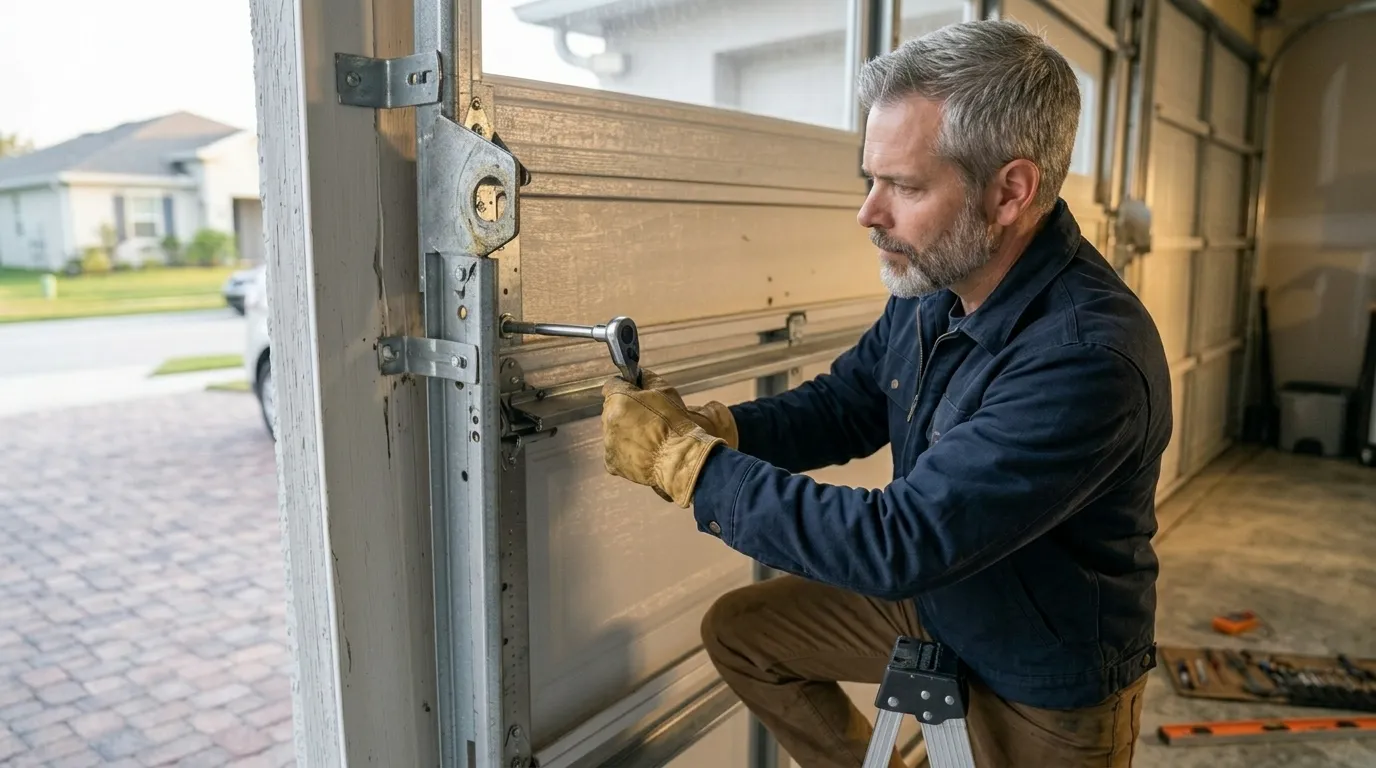
Springs, cables, tracks, rollers, and openers fixed by a tech who explains the problem before touching anything.
Learn more →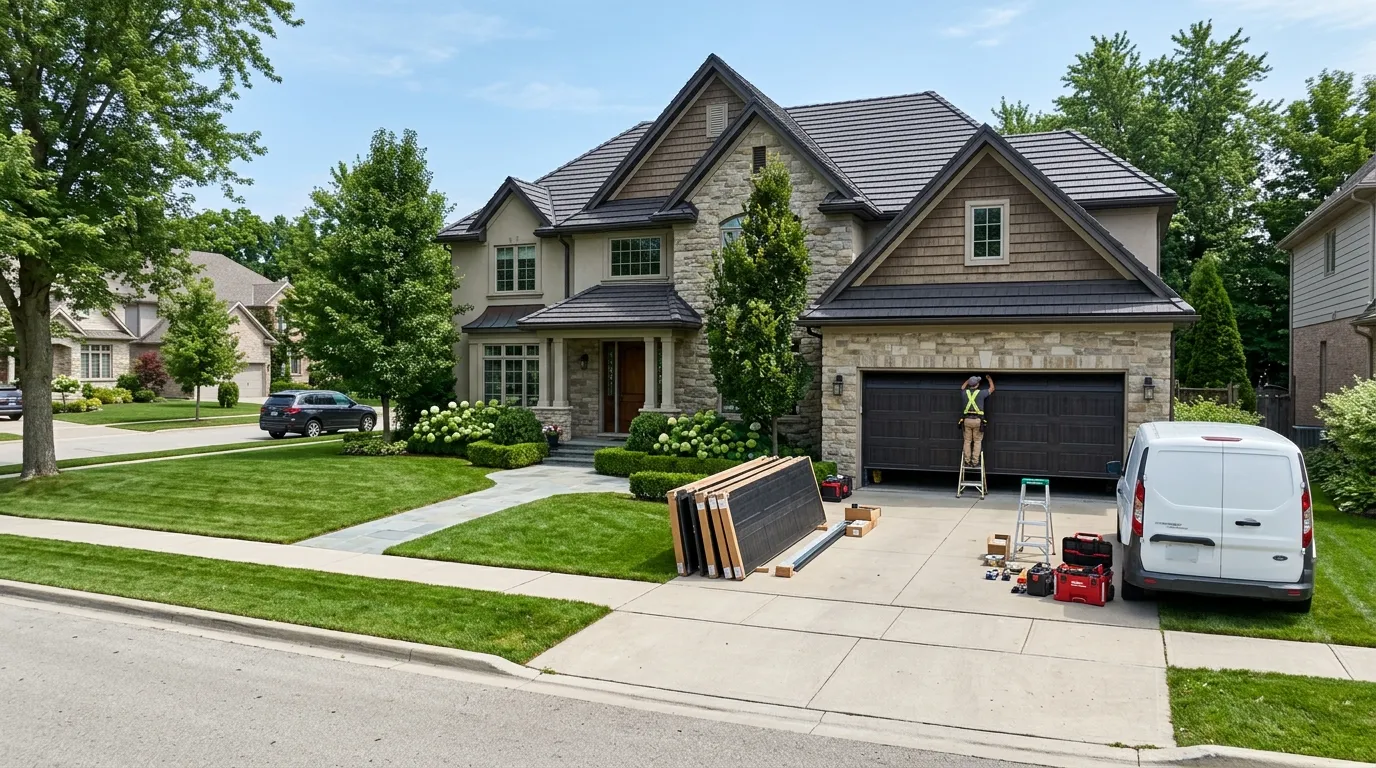
Garage Door Installation
New sectional doors sized and installed for the housing stock actually built in this area.
Learn more →
Garage Door Service
Tune-ups, lubrication, and safety checks that catch a small problem before it becomes a service call.
Learn more →Frequently Asked Questions
Why did my garage door opener stop working after the power came back on?
A power cut that ends in a surge can damage the opener's circuit board, especially in older units. If the motor hums or lights flash but the door won't move, that's usually board damage, not something the manual release fixes. Given how much of Bolingbrook's housing stock dates to the 1960s and 70s, opener boards from earlier replacements are a common point of failure here.
Does my garage door opener need a battery backup in this area?
It's worth considering given the cold-moderate climate here, where winter power cuts are a recurring issue rather than rare. A battery backup lets the opener run a few cycles without house power, though in older garages the backup itself can degrade faster in repeated freeze-thaw conditions, so it's not a permanent fix on its own.
Can I just replace the opener without checking the wiring?
You can, but if your garage's electrical setup dates to the original 1960s-70s build, a mismatch between the new opener's draw and old wiring can cause the same failure again. We check the circuit as part of any opener replacement rather than swap it blind - electrical panel work itself is outside what we do.
Have a Door That Needs a Second Opinion?
Call and describe what it is doing - we will tell you what it likely is.