
Bolingbrook Garage Door Guide
Why Your Garage Door Sensors Keep Losing Alignment in Bolingbrook
Safety sensors on Bolingbrook garage doors drift out of alignment as older slabs settle and metal track shifts with cold-weather freeze-thaw. Here's when to fix it yourself and when to call.
- Licensed & Insured
- Same-Area Service Calls
- Upfront Pricing
When It Stops Being a DIY Job
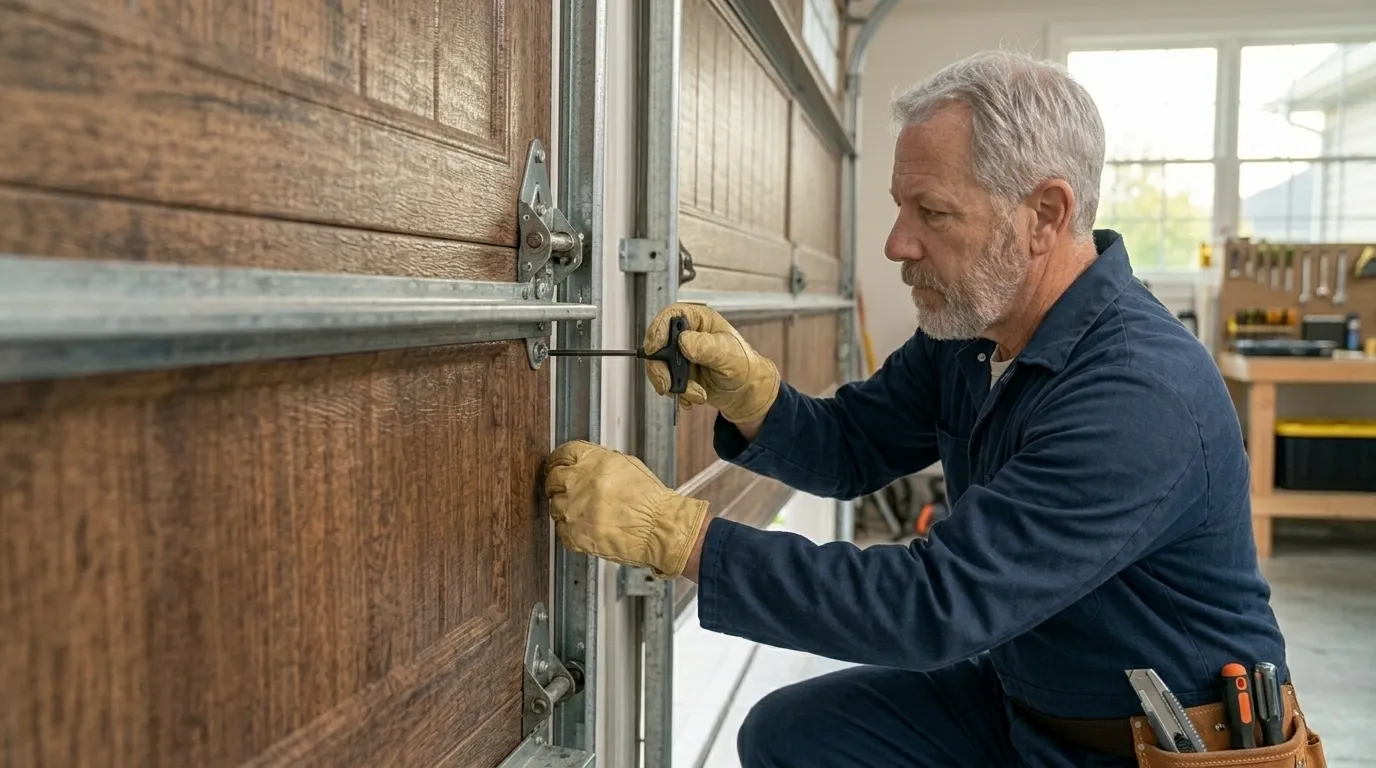
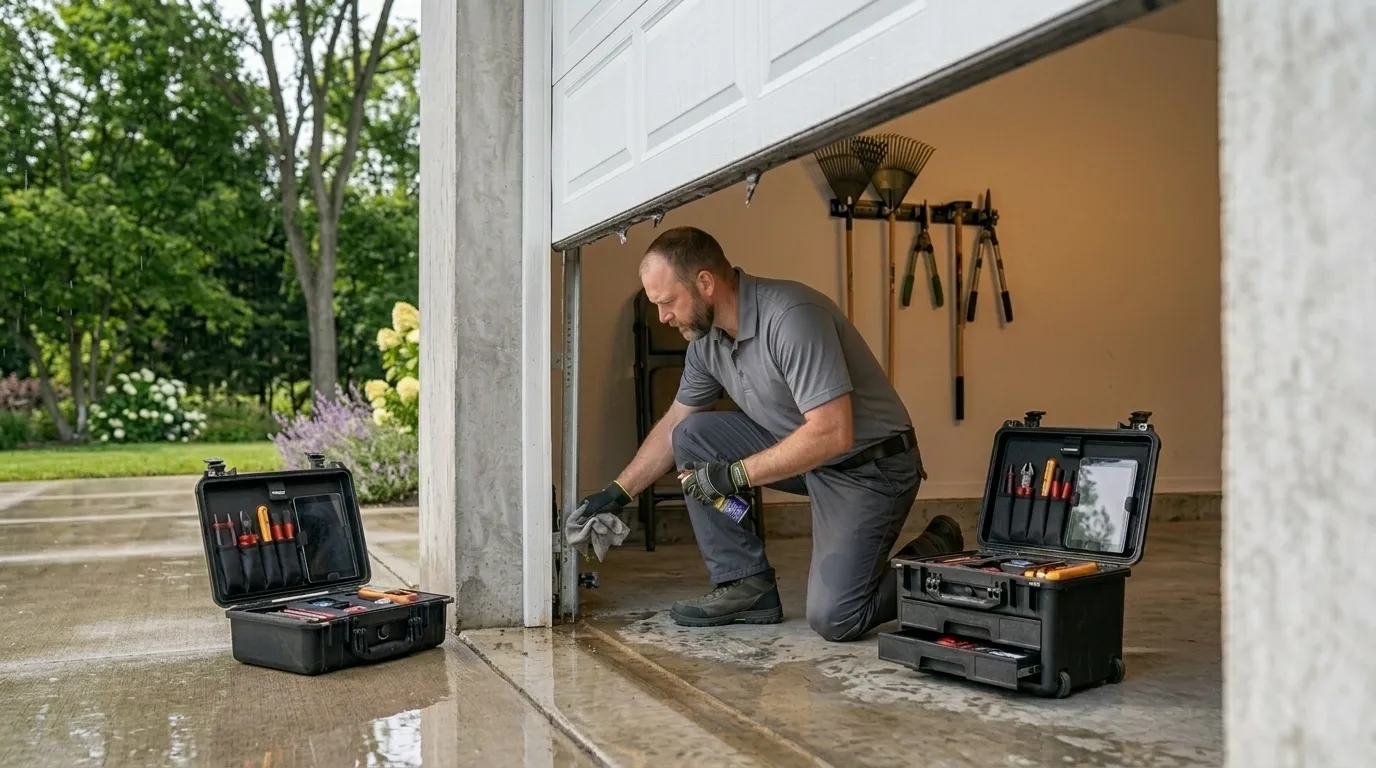
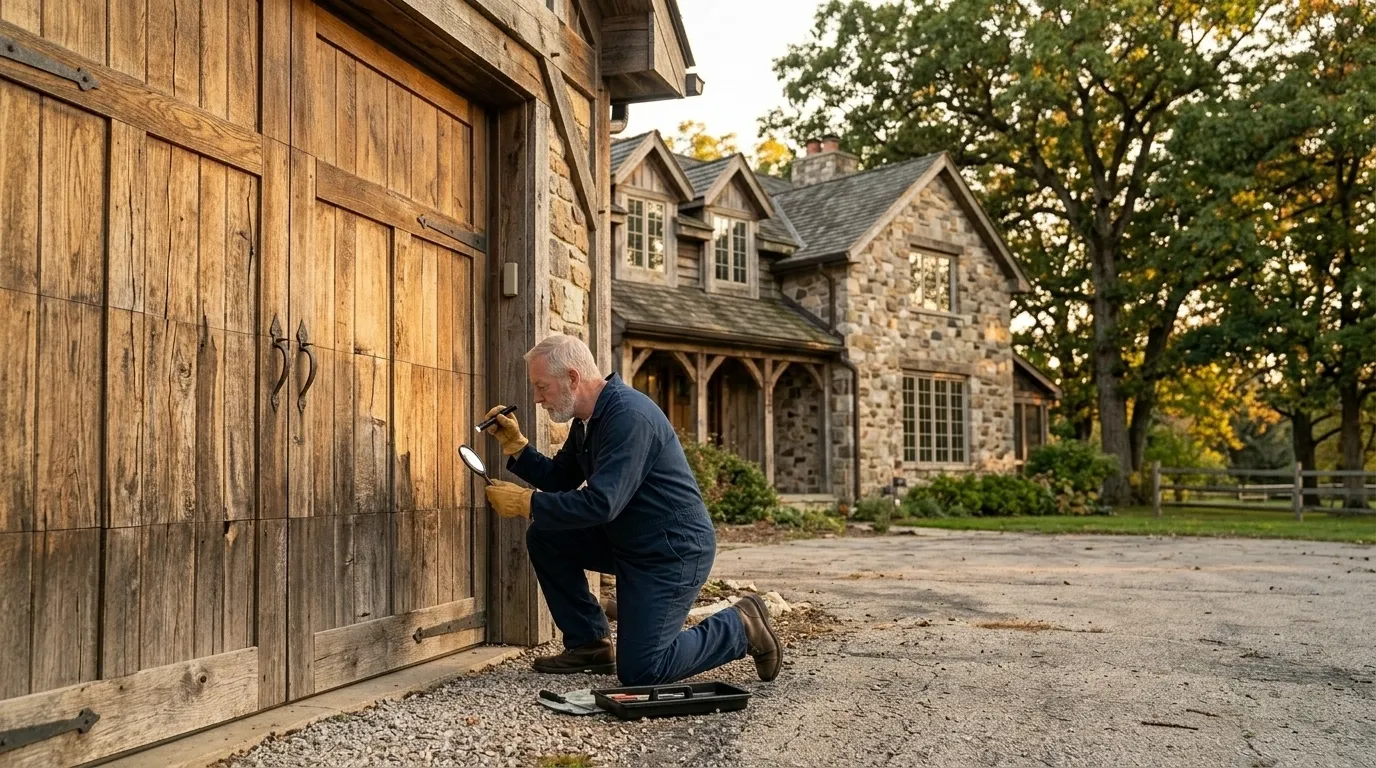
Wiping the sensor lenses and nudging the brackets by hand fixes a lot of blinking-light problems, and you should try that first. Where it stops being a DIY job is when the bracket itself has moved on the track leg, not just the eye inside it. A lot of Bolingbrook's housing dates back to the 1960s and 70s (median build year 1976, per F1/F2), which means the track hardware bolted to those garages has had decades to work loose, rust at the mounting screws, or get bent from a stray bike or ladder.
If you re-aim the sensors and they drift back out of alignment within a day or two, the bracket or the track leg is bent, not just misaligned, and bending it back yourself usually just moves the problem down the track. At that point you're better off having someone check whether the track needs to be reset or replaced rather than fighting the sensor every week. We'll say up front: we don't do phone-diagnosis on this one.
A bent bracket needs eyes on it.
The Problem
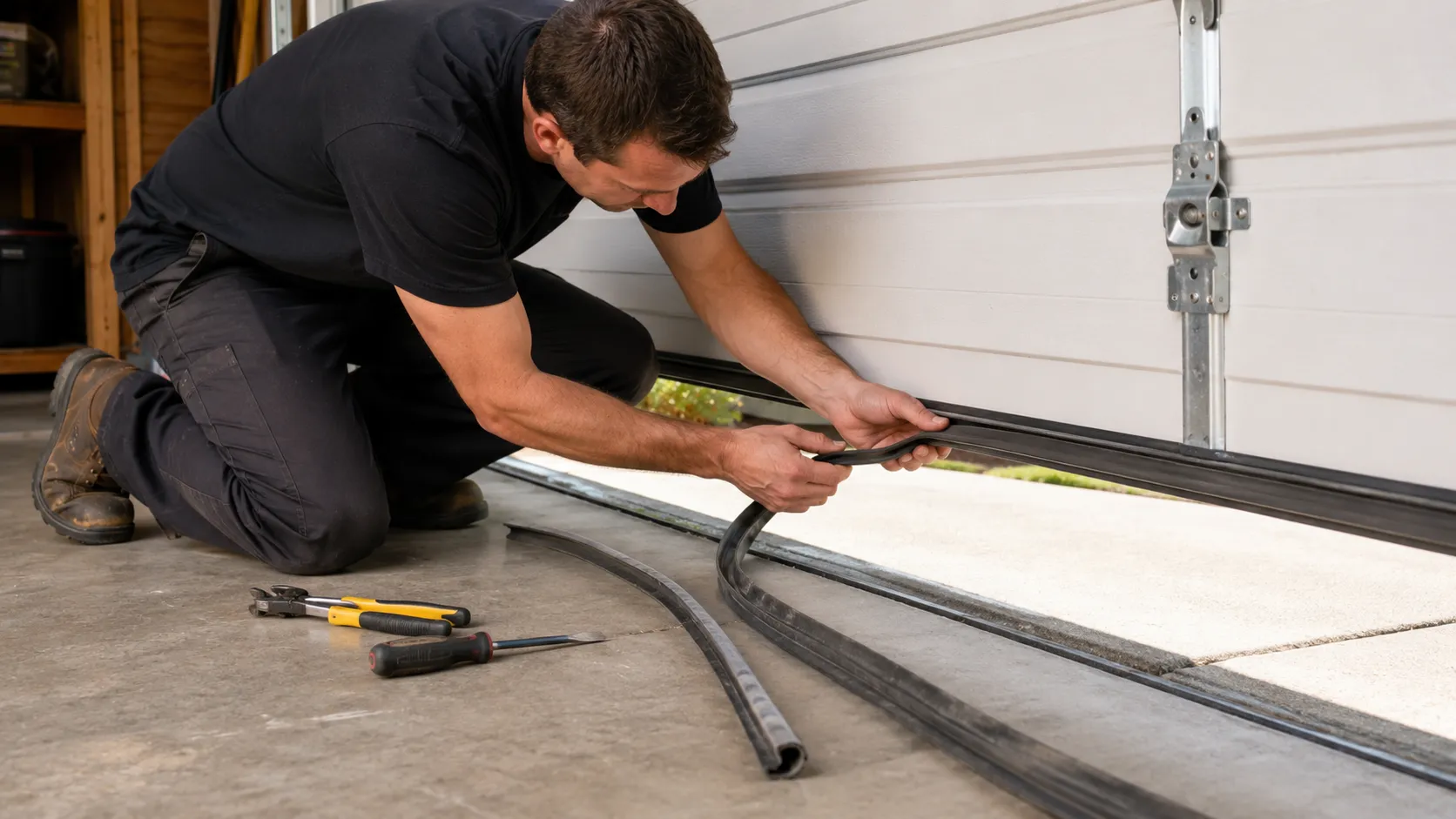
Safety sensors work by shooting an infrared beam between two eyes mounted a few inches off the slab. Nudge either eye a fraction of an inch and the door starts refusing to close, or worse, reverses on things that aren't there. In houses built through the 1960s-70s stretch that makes up most of Bolingbrook's stock, the slab under that track has had fifty-plus years to settle unevenly, and even a slight tilt in the concrete translates into a tilt in the track leg the sensor bracket is fastened to.
Cold-climate freeze-thaw cycles make this worse: moisture gets under the slab edge, freezes, expands, and shifts things by fractions of an inch every winter. None of that is dramatic on its own, but it adds up over decades, and it's the reason a sensor that worked fine in October starts acting up in January. It's not a bad sensor most of the time.
It's a track that's a few degrees off true from ground movement, and the sensor is just the part that tells you about it.
When Waiting Is Fine
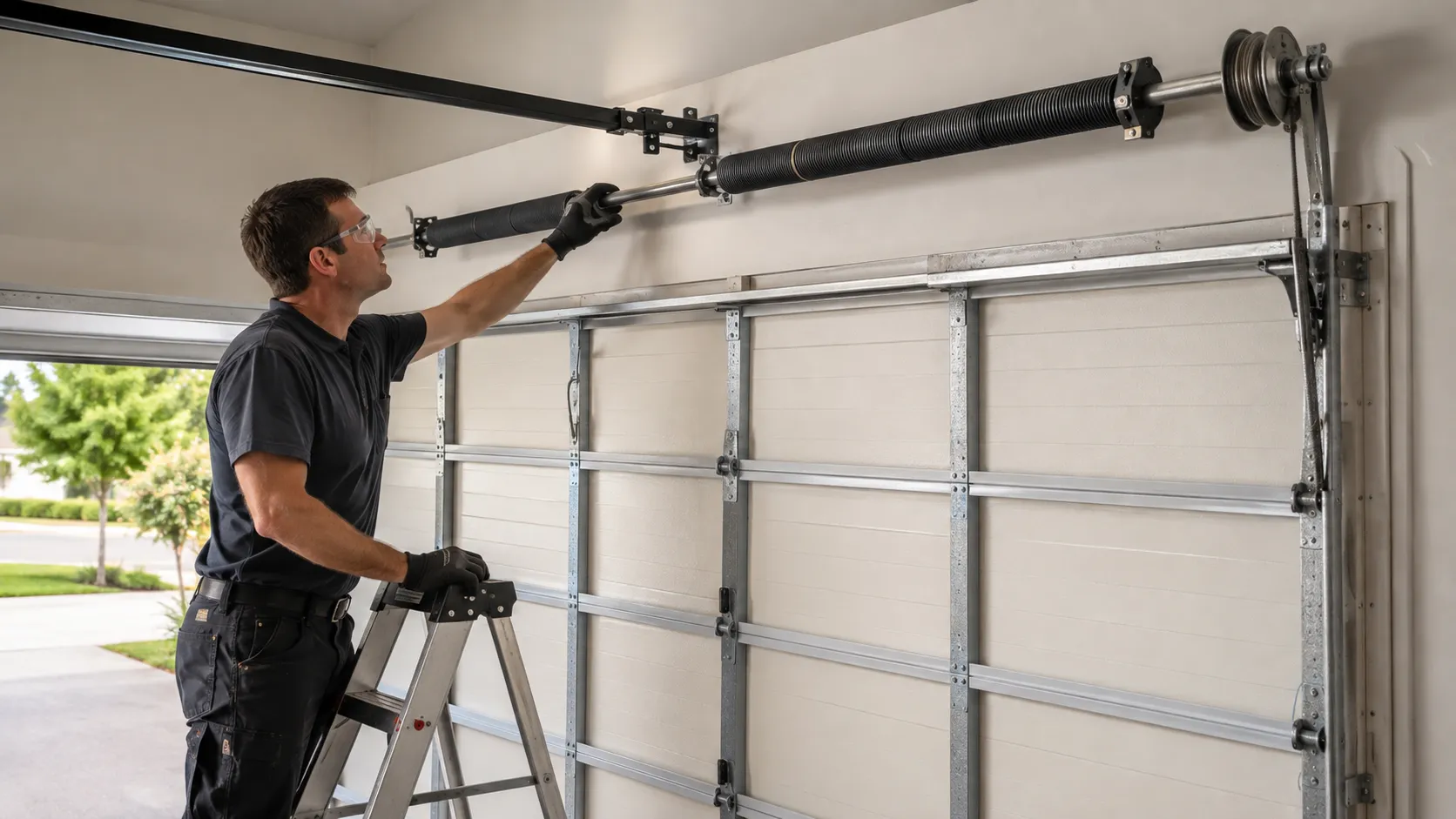
Not every flicker needs a same-day call. If the door still closes on the second or third try and the sensors just need a wipe-down or a light re-aim, that's a five-minute job you can do yourself, and it's fine to let it ride until it becomes a real pattern. With a median household income of $98,891 in the area, most homeowners here are making a repair-versus-replace call on their own terms rather than out of emergency, and a drifting sensor rarely forces that decision overnight.
Where it's not fine to wait: if the door reverses unpredictably with people or vehicles near it, that's a safety issue regardless of cause, and it shouldn't sit on a to-do list. Otherwise, a sensor that needs occasional re-aiming through a cold snap is a maintenance item, not a crisis.
How Local Conditions Play In
Bolingbrook sits in a cold-moderate climate band, which means the ground under your slab freezes and thaws more than once a season, not just once. Each cycle nudges concrete and the metal fastened to it by a small amount, and sensor brackets, being light and mounted low, show that movement before anything else on the door does. Houses built earlier in the 1938-2004 range tend to have older track hardware with more play in the mounting holes already, so the same freeze-thaw shift causes more visible drift than it would on a newer install.
If you own one of the older homes in the mostly 1960s-70s stock that makes up this area, expect to re-check sensor alignment at the start of each winter, not just when it acts up. That's not a defect in the door. It's what fifty winters of ground movement does to anything bolted to a slab.
How We Can Help
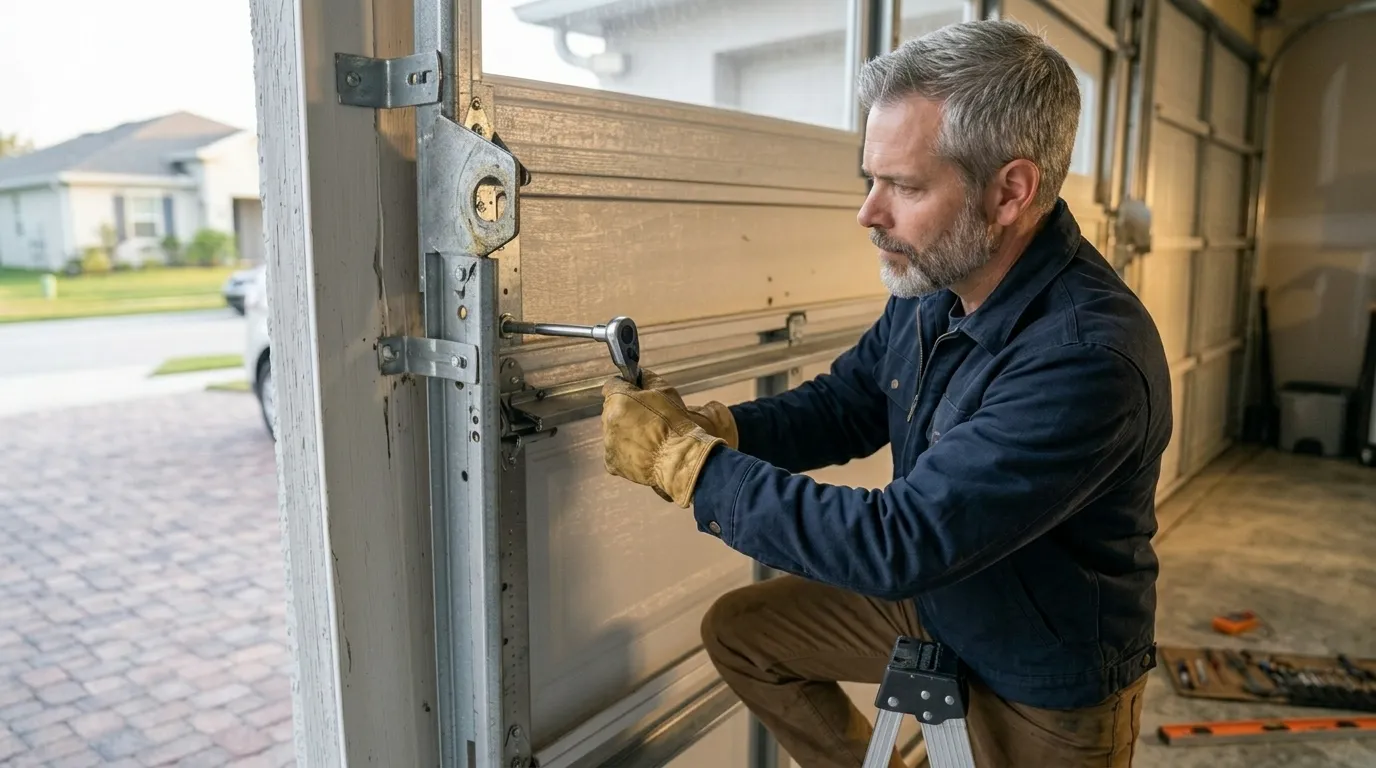
Garage Door Repair
Springs, cables, tracks, rollers, and openers fixed by a tech who explains the problem before touching anything.
Learn more →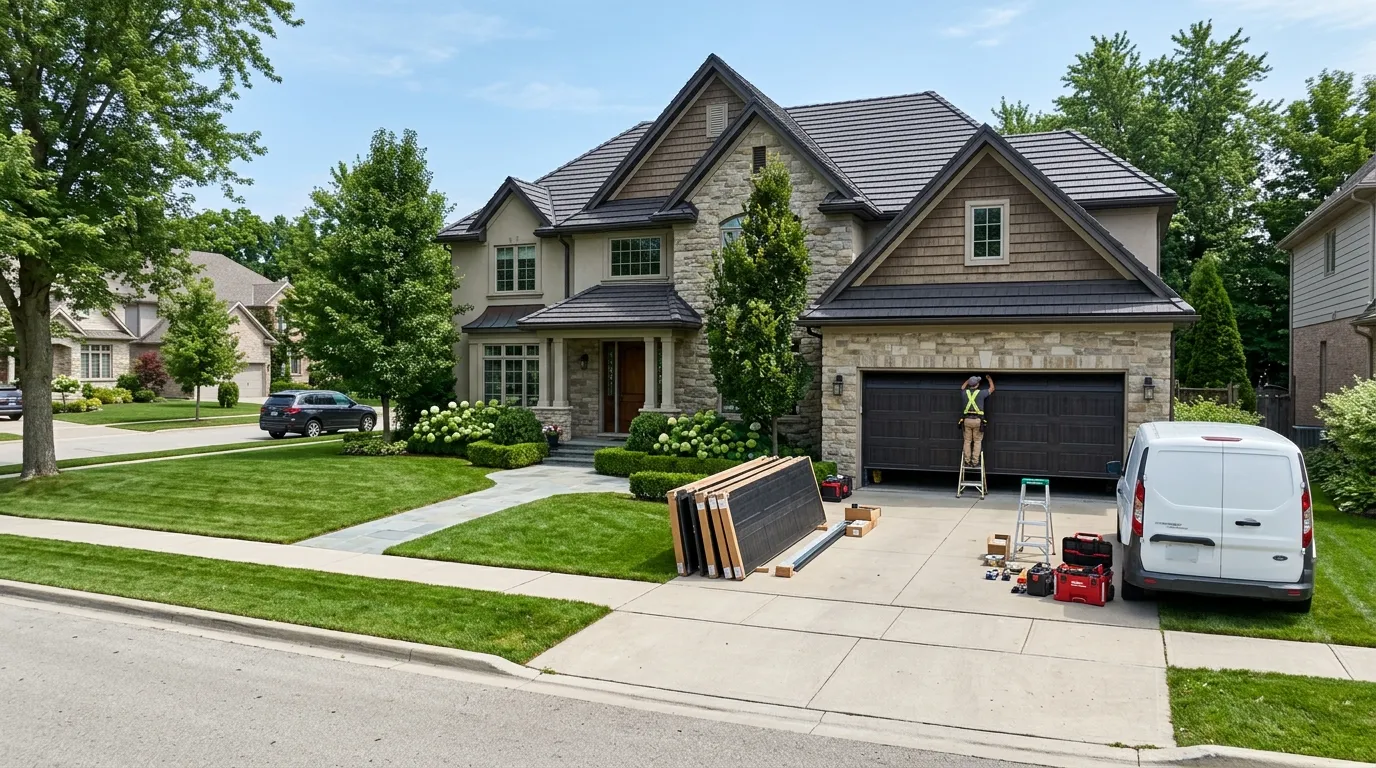
Garage Door Installation
New sectional doors sized and installed for the housing stock actually built in this area.
Learn more →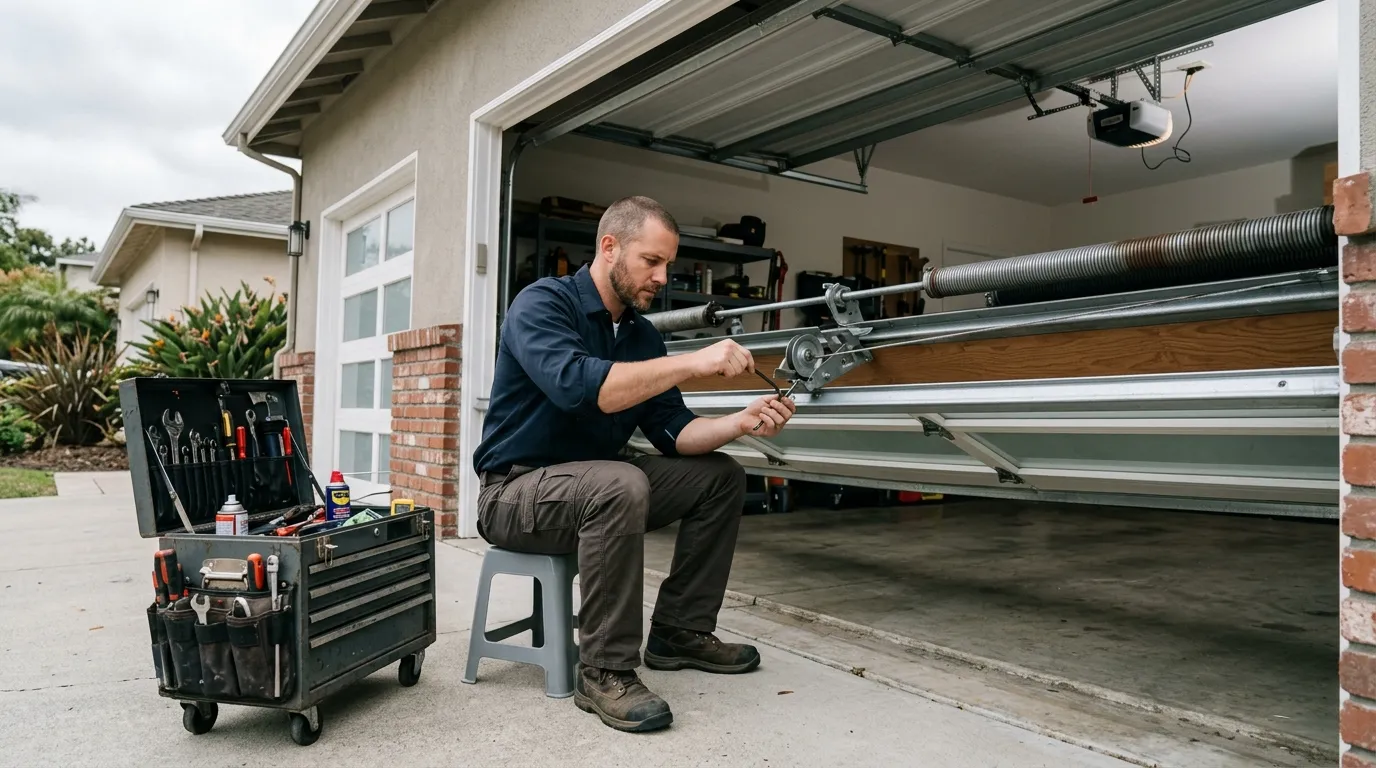
Garage Door Service
Tune-ups, lubrication, and safety checks that catch a small problem before it becomes a service call.
Learn more →Frequently Asked Questions
Why do my garage door sensors only act up in winter?
Cold-moderate freeze-thaw cycles shift the ground and slab under your garage track a small amount each time it freezes and thaws. That tiny movement is enough to knock light-mounted sensor brackets out of alignment, especially on older track hardware, which is common in Bolingbrook's mostly 1960s-70s housing stock.
Can I just bend the sensor bracket back myself?
You can try, but if the bracket keeps drifting back within a day or two, the track leg underneath it is likely bent or has shifted with the slab, and bending the bracket only masks that. At that point it needs someone to look at the track itself, not just the sensor.
How often should I check sensor alignment on an older Bolingbrook house?
If your home was built in the 1960s or 70s, which covers most of the area, check alignment at the start of each winter before the freeze-thaw cycles start, rather than waiting for the door to start misbehaving.
Have a Door That Needs a Second Opinion?
Call and describe what it is doing - we will tell you what it likely is.