Nearby Community
Garage Door Service for Forest View's 1950s Housing Stock
Forest View homes mostly date to 1955, older than the area norm, which means different spring setups and headroom issues. We travel from Bolingbrook to work on them.
- Licensed & Insured
- Same-Area Service Calls
- Upfront Pricing
What Was Built Here
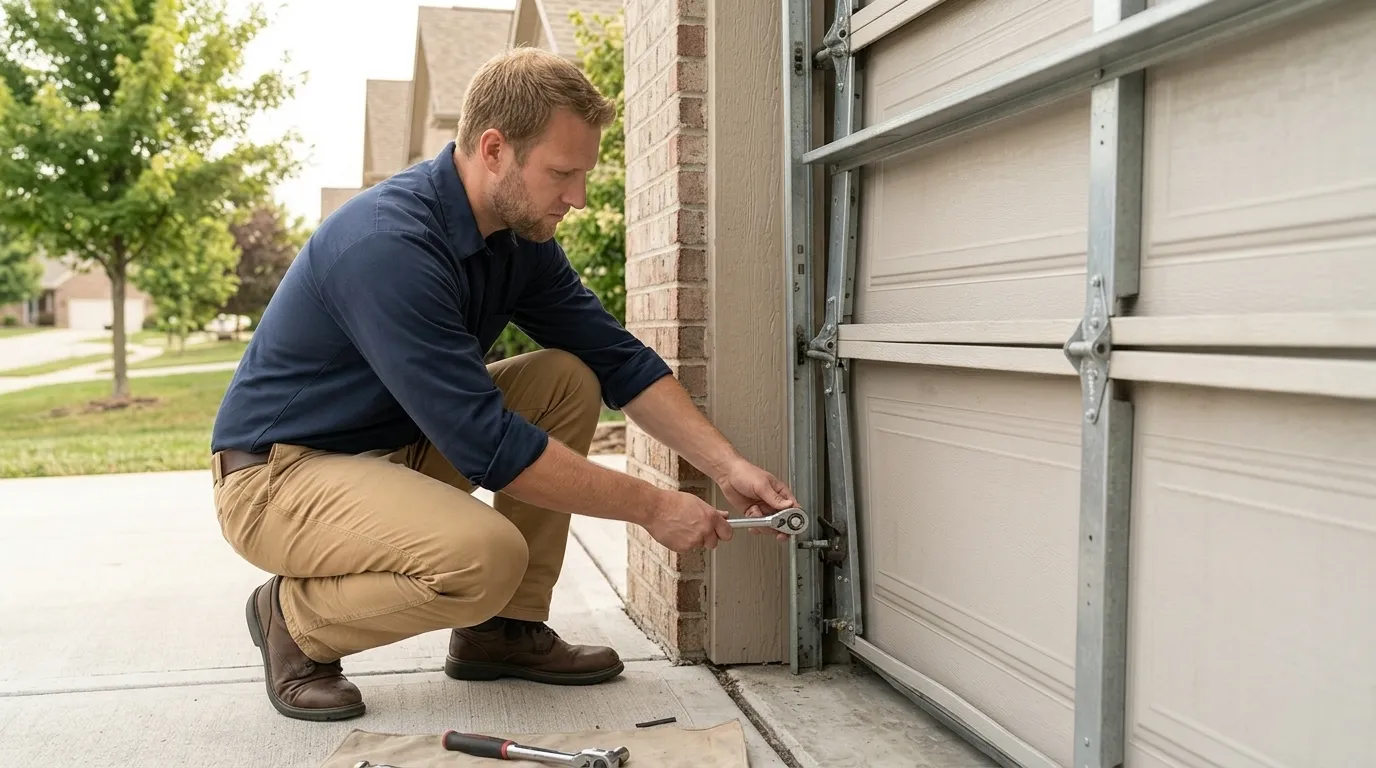
Forest View's houses cluster around a median build year of 1955, which puts this pocket ahead of the wider service area's 1976 median by two decades. That gap matters more than it sounds like it should. A neighborhood built in the mid-1950s went up before the two-car garage became standard, so a lot of these are single-bay openings with lower headroom than what you'd find on a house from 1976.
With only 296 households in this area, it's a small, tight-built pocket rather than a sprawling subdivision, and most of what's original here has been original a long time. Income here runs higher than the broader area average - $108,833 against $98,891 - which we mention only because it tends to mean owners replace worn hardware before it fails outright rather than running a door into the ground. We don't have a landmark or street list for this area, so we're not going to invent one.
What we do have is the build year, and it tells you most of what you need to know about the doors themselves before a truck ever gets close.
What Neighbours Usually Call About
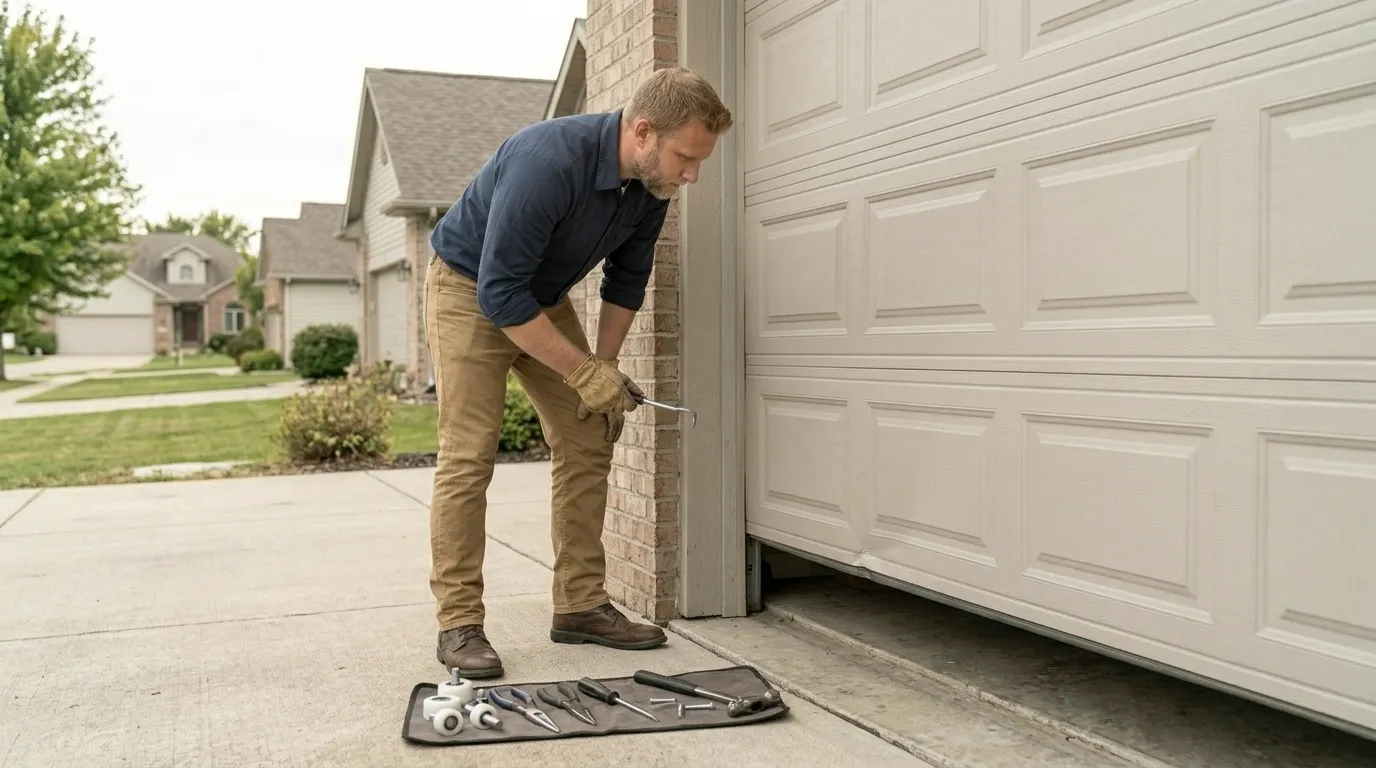
On a housing stock this old, the calls tend to be about hardware that was never updated rather than something that broke overnight. Extension springs mounted on the horizontal tracks, not torsion springs on a shaft - that's typical for a 1950s single-bay door and it's a different repair than what a newer torsion setup needs. Low headroom garages from this era also limit which opener models will physically fit without extra bracket work.
We're honest that some of these openings need a specialty low-headroom kit rather than a stock replacement, and that adds cost and sometimes a wait on parts. The area's cold climate band means winter is also when old rubber seals and hardened lubricant on original rollers show up as noise and sticking, which is a maintenance call more than an emergency one.
How That Shows Up in the Door
A door built or installed when the house was new in 1955 is not running the same components as one from the 1970s or later, and that shows up in specific ways. Original steel sectional doors from that era often used narrower track profiles and lighter panel gauges than what's sold today, so a cracked panel usually means sourcing a compatible replacement rather than grabbing something off a shelf. Extension spring systems, common on these older single-bay setups, wear differently than torsion springs - the cables fray at the pulley before the spring itself gives out, and that's easy to miss until a door drops crooked.
Given the small size of this pocket at 296 households, we're not going to pretend there's a dominant style beyond what the build year tells us. What we can say is that anything untouched since the house was built is now roughly seventy years into service, well past the working life of any spring or cable regardless of what it's made of.
The Usual Work Here
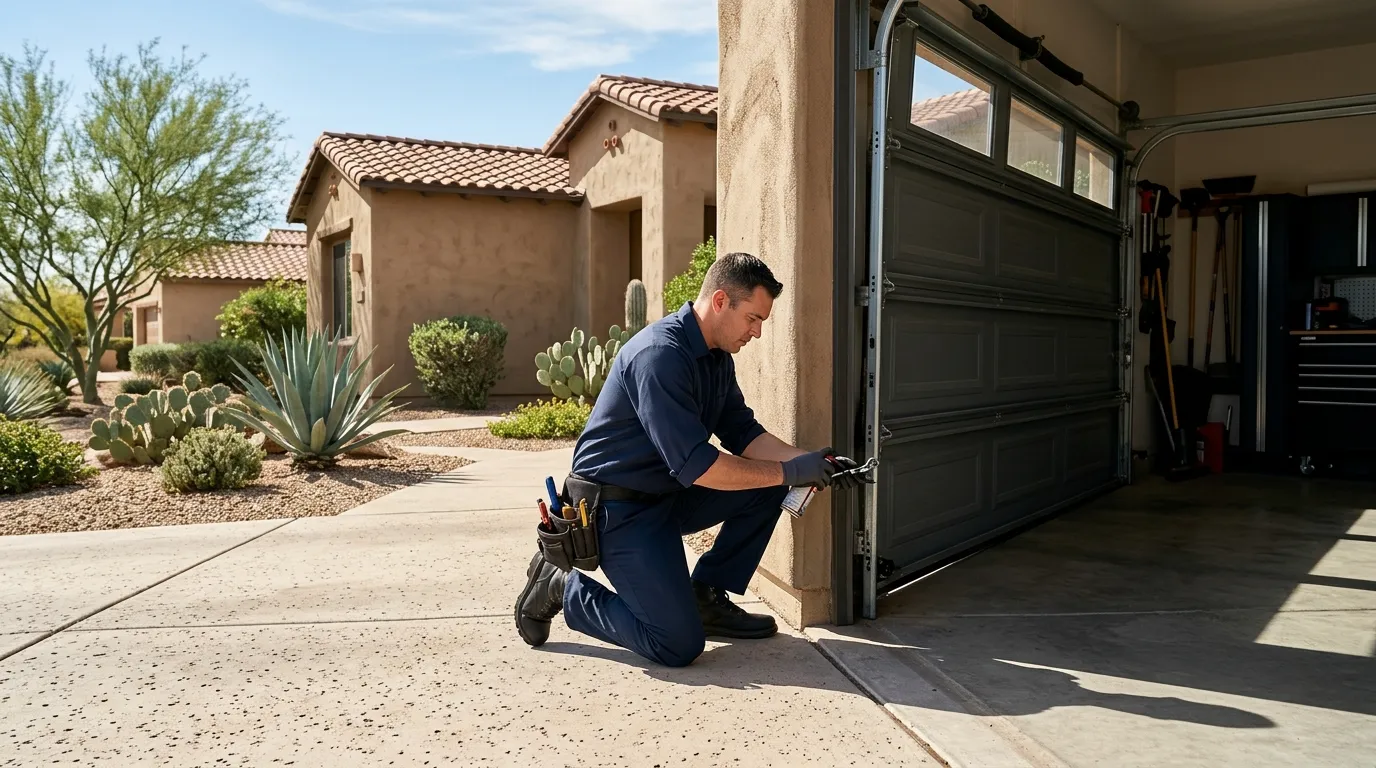
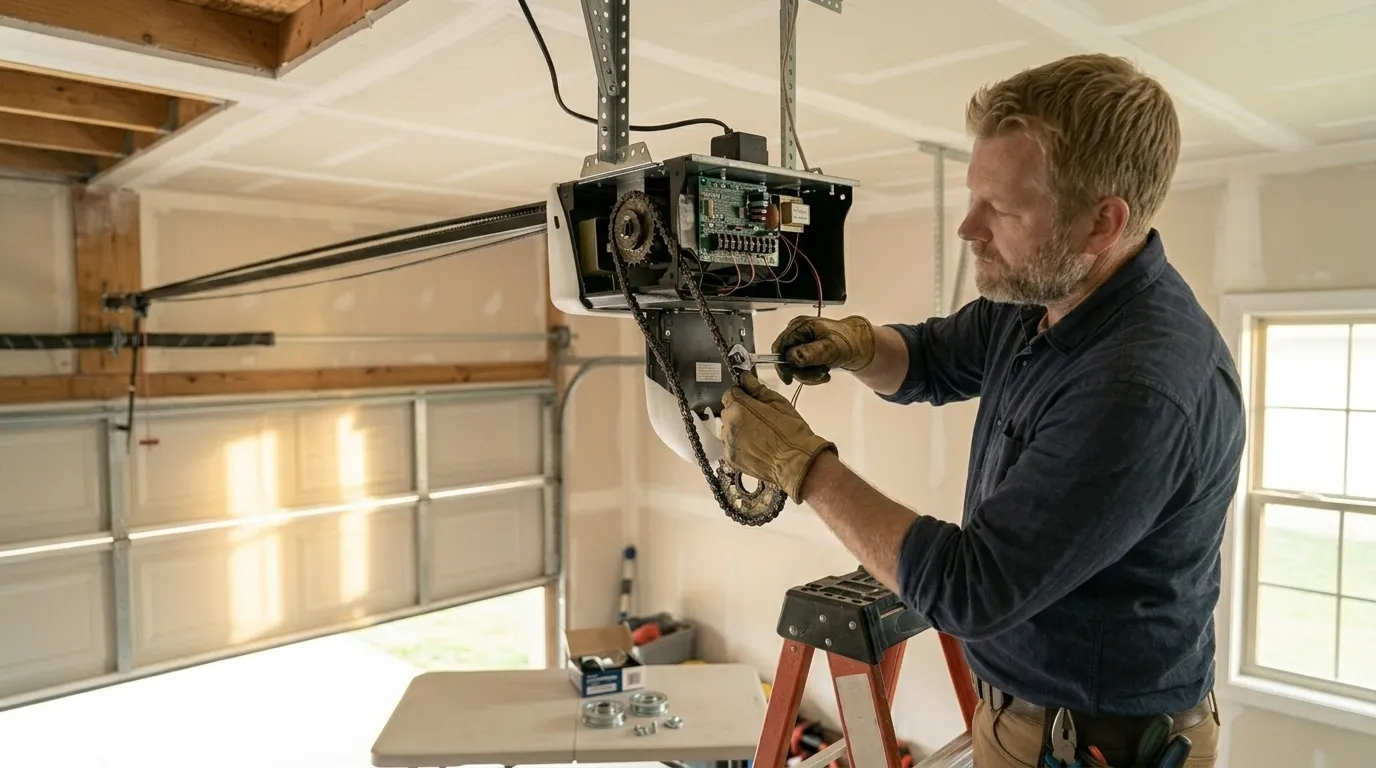
We come out from Bolingbrook, about 19 miles away, so this isn't a same-block call - we schedule the trip rather than staging a truck nearby. Once here, the work on a 1950s house usually starts with an inspection of the spring type and headroom before we talk opener replacement, because the wrong assumption on either one means a second trip. Extension spring replacement and cable work are common, along with retrofitting older single-bay openings for openers that fit the clearance.
We don't do foundation or framing work if the header above the opening has shifted with the house - that's a carpenter's job first, ours second. On a house this age, replacing an opener rarely means a like-for-like swap; it usually means checking the door reacts correctly to the shorter track and low headroom before anything gets bolted in.
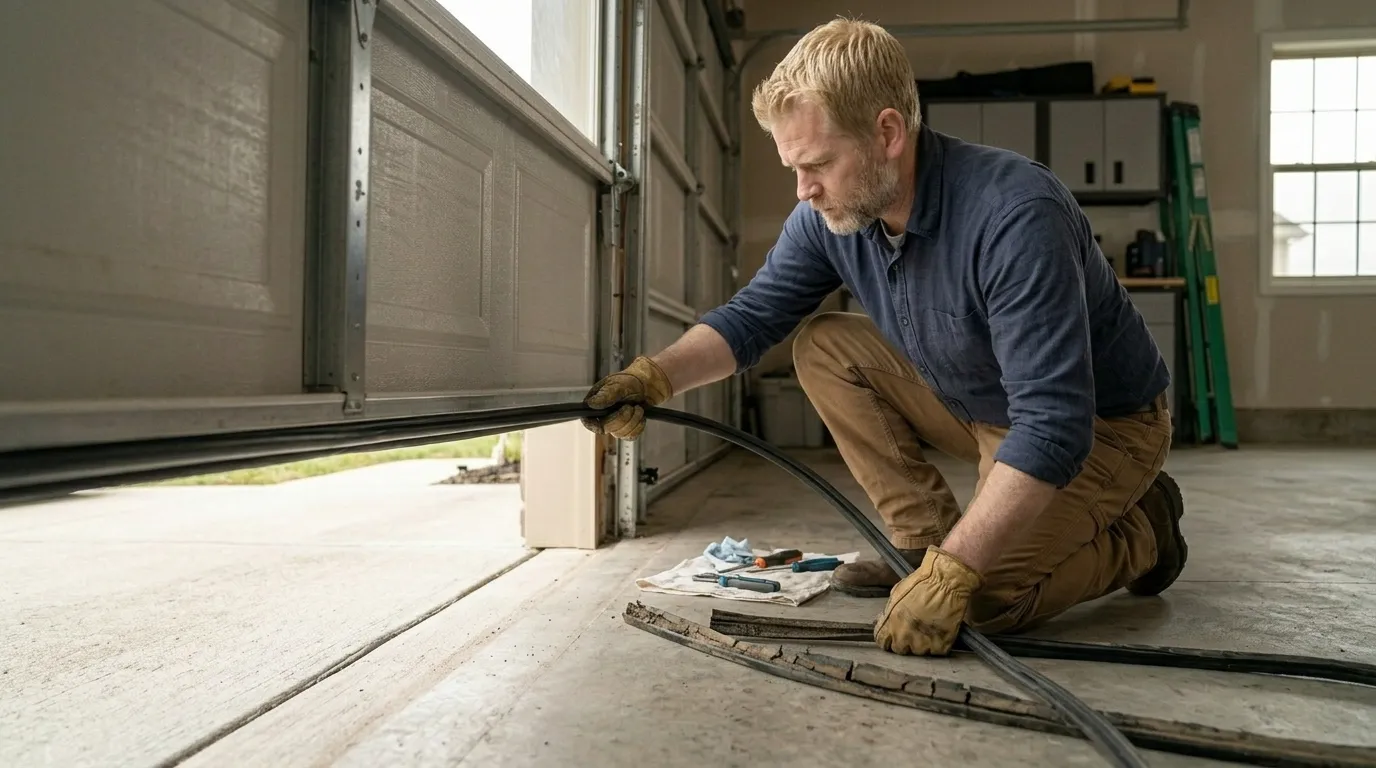
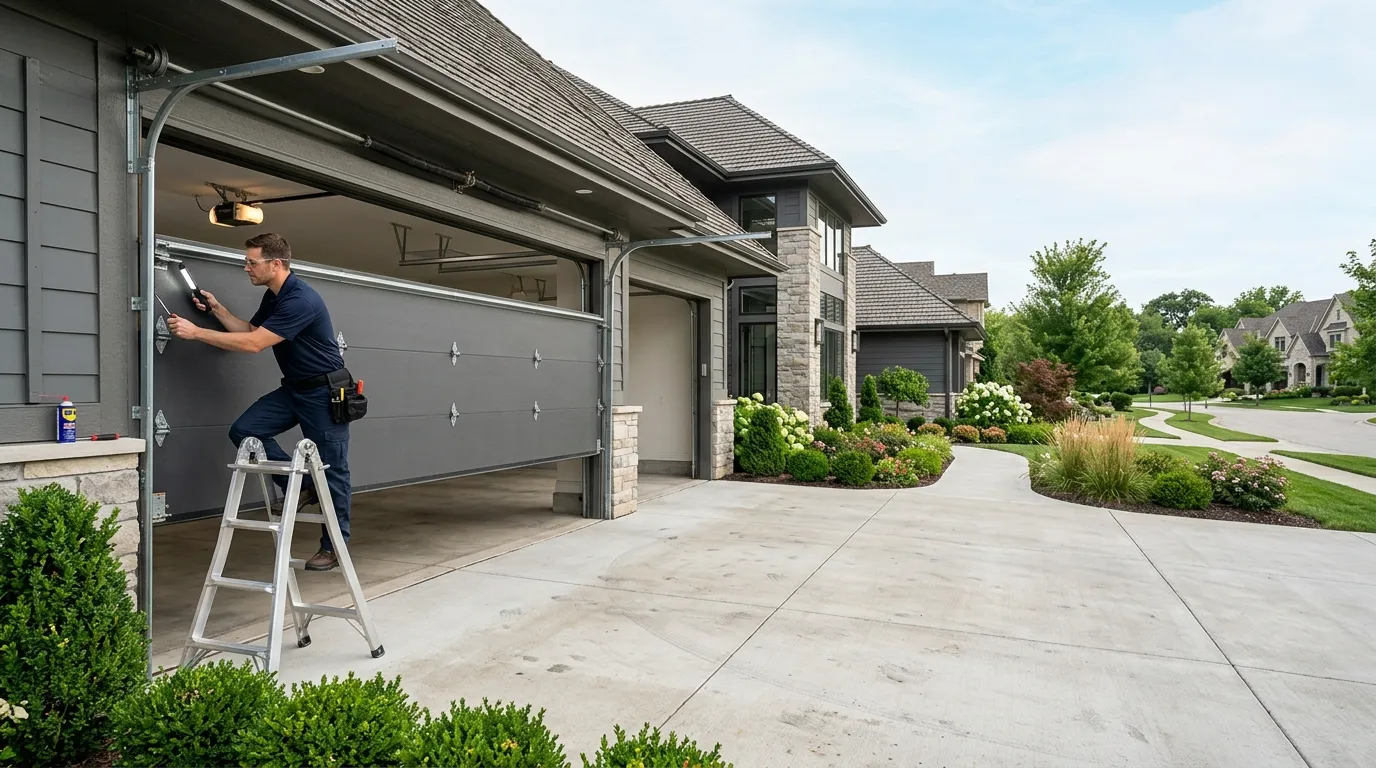
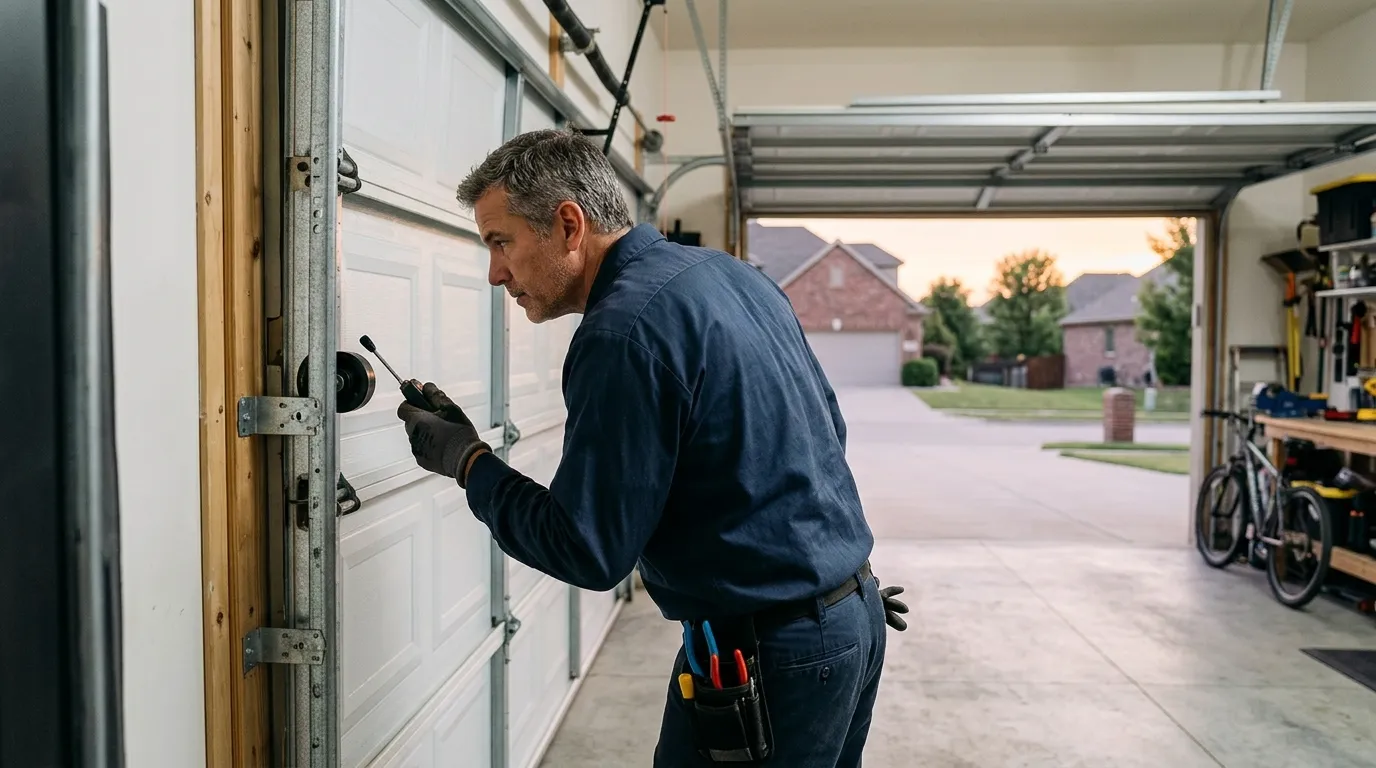
Recent Work Near Forest View
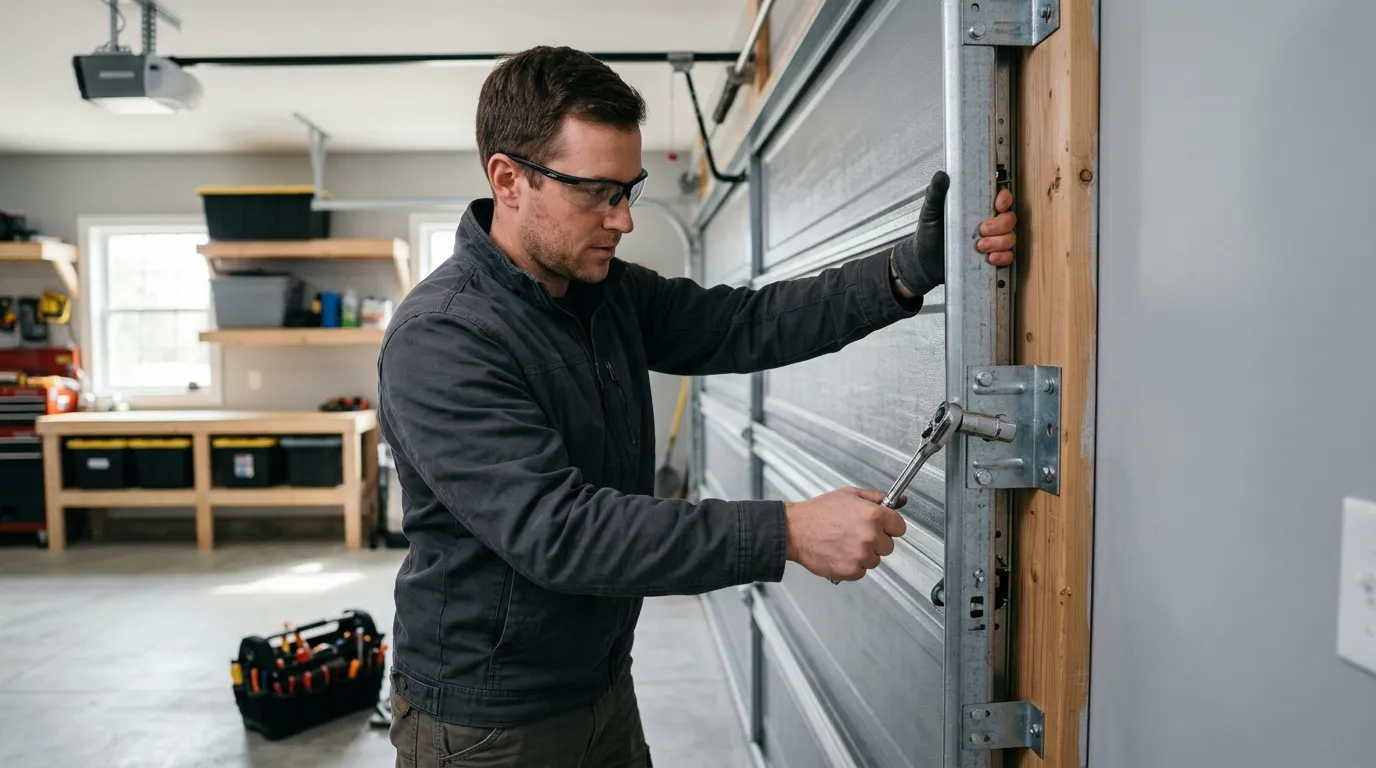
How We Can Help
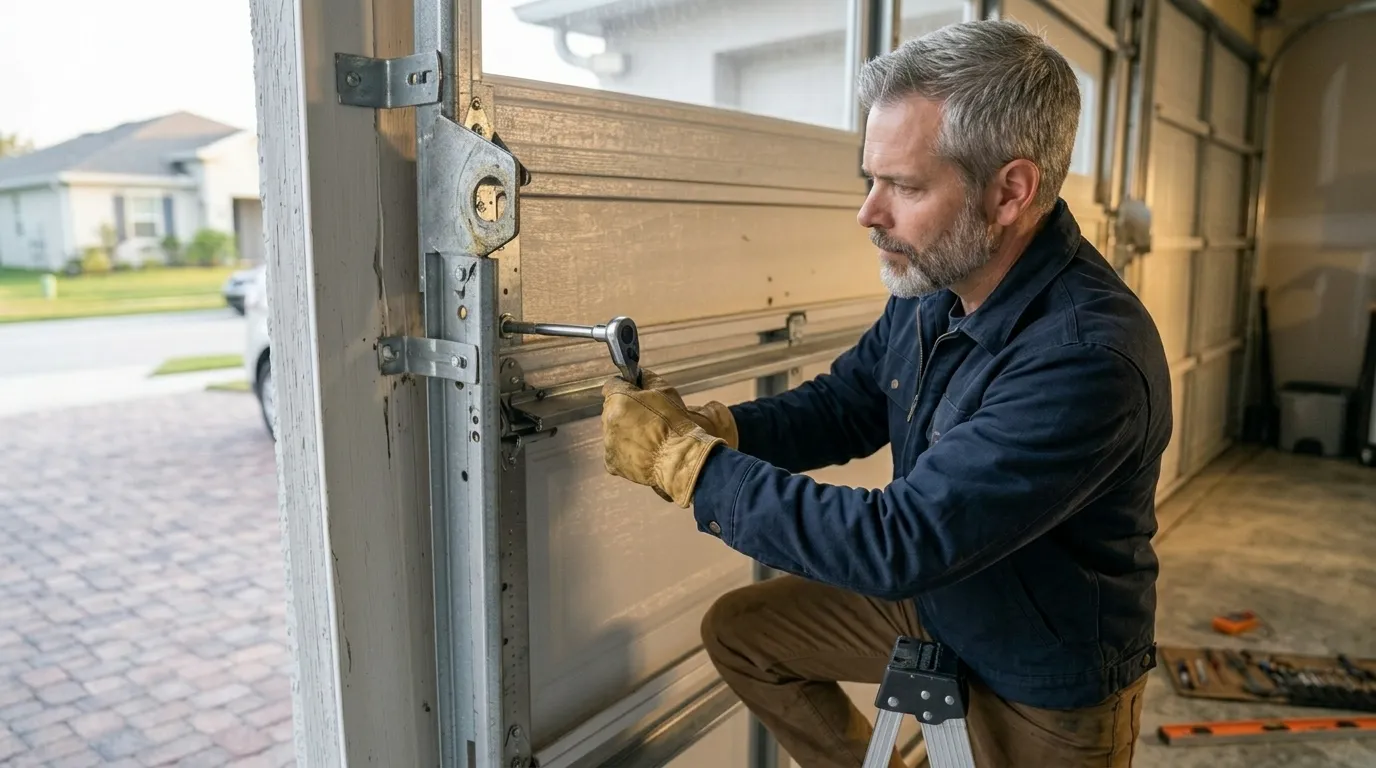
Garage Door Repair
Springs, cables, tracks, rollers, and openers fixed by a tech who explains the problem before touching anything.
Learn more →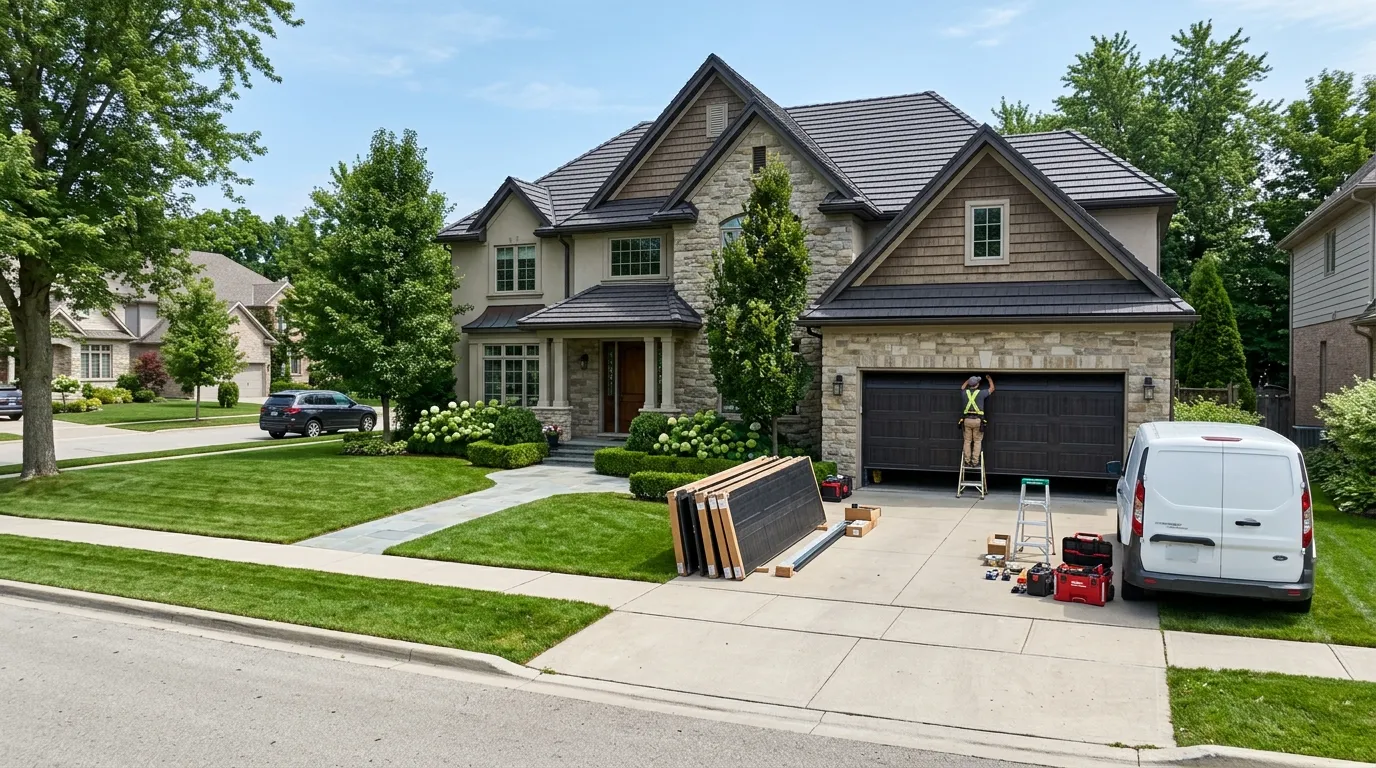
Garage Door Installation
New sectional doors sized and installed for the housing stock actually built in this area.
Learn more →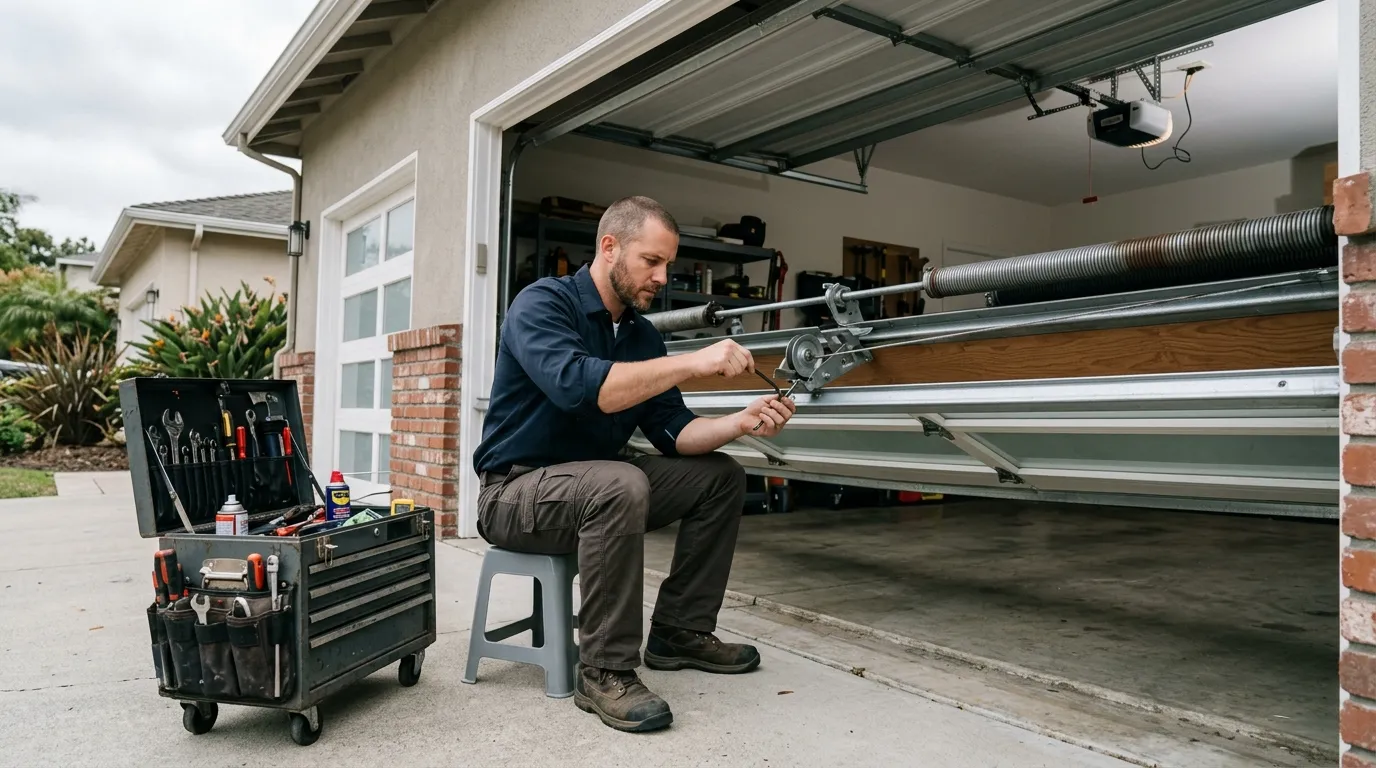
Garage Door Service
Tune-ups, lubrication, and safety checks that catch a small problem before it becomes a service call.
Learn more →What Happens When You Call
Call or Request a Quote
Tell us what the door is doing and roughly how old the house is - that alone points us toward the likely part before a truck leaves.
On-Site Diagnosis
A tech checks the spring, cables, tracks, and opener in person and tells you plainly what is actually wrong.
Straight Price, No Surprises
You get a number before any work starts. It covers parts and labor, nothing added after the fact.
Fixed the Same Visit
Most repairs are done in one trip. If a part needs sourcing, we tell you that upfront instead of guessing.
Frequently Asked Questions
Why does my garage door still use extension springs instead of torsion springs?
Houses built around 1955, like most of this area, were often fitted with extension springs running along the horizontal tracks rather than a torsion spring on a center shaft. It was the standard setup for a single-bay door at the time. It's not wrong, just older technology, and it fails differently than torsion hardware.
Do you have a location in Forest View?
No. We're based in Bolingbrook, about 19 miles out, and we schedule the trip to Forest View rather than staging a truck here. That means booking ahead rather than expecting a same-hour arrival.
Will a new opener fit my old low-headroom garage?
Not always without extra hardware. A lot of 1950s single-bay garages have less clearance above the door than modern openers assume, so we check headroom before quoting a replacement. Some jobs need a low-headroom conversion kit, which adds cost and can mean a parts wait.
Is my door's age the reason it's noisy in winter?
Often, yes. Original rollers and seals on a door this old harden with cold and age together, and this area sits in a cold climate band where that effect shows up every winter. Noise and sticking in freezing weather usually points to old hardware rather than a new problem.
Get Your Door Fixed in Forest View
Call now for same-area service.