Bolingbrook Garage Door Guide
Detached and Attached Garages Age Differently Here
Bolingbrook homes span 1938 to 2004 builds, with most from the 60s and 70s. Here's how detached and attached garage doors differ in this cold-climate housing stock.
- Licensed & Insured
- Same-Area Service Calls
- Upfront Pricing
When It Stops Being a DIY Job
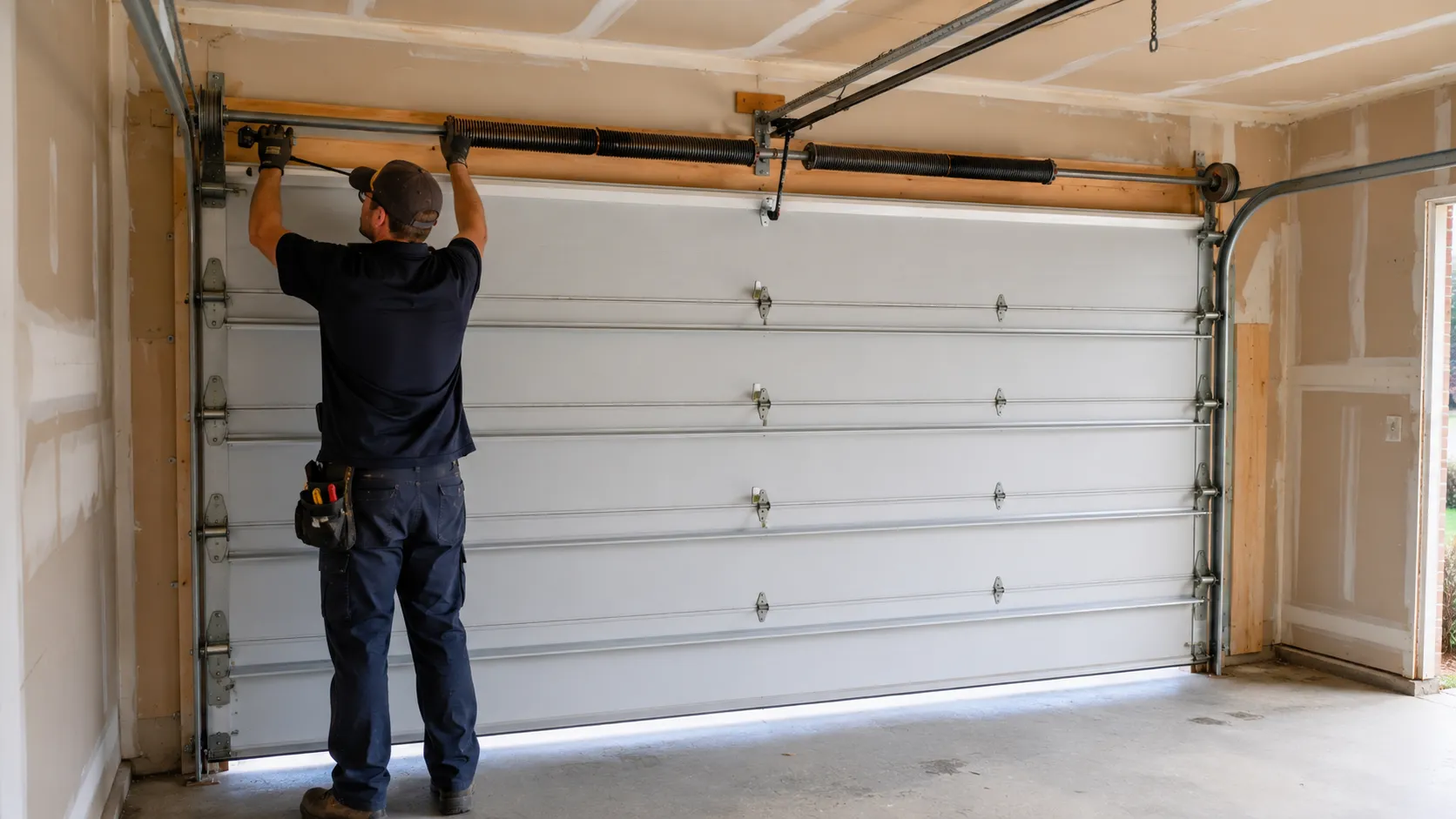
Bolingbrook's housing stock runs from 1938 up through 2004, with the median build year sitting at 1976 and most of the stock going up through the 60s and 70s across the subdivisions that make up the town. That matters more than people think when it comes to garages, because detached garages from that era were framed as separate structures with their own settling patterns, while attached garages share a foundation and wall line with the house. When a detached garage door binds or drags, you're usually dealing with a structure that has shifted independently of the house for decades - the opening itself may be out of square in ways a homeowner can't easily measure.
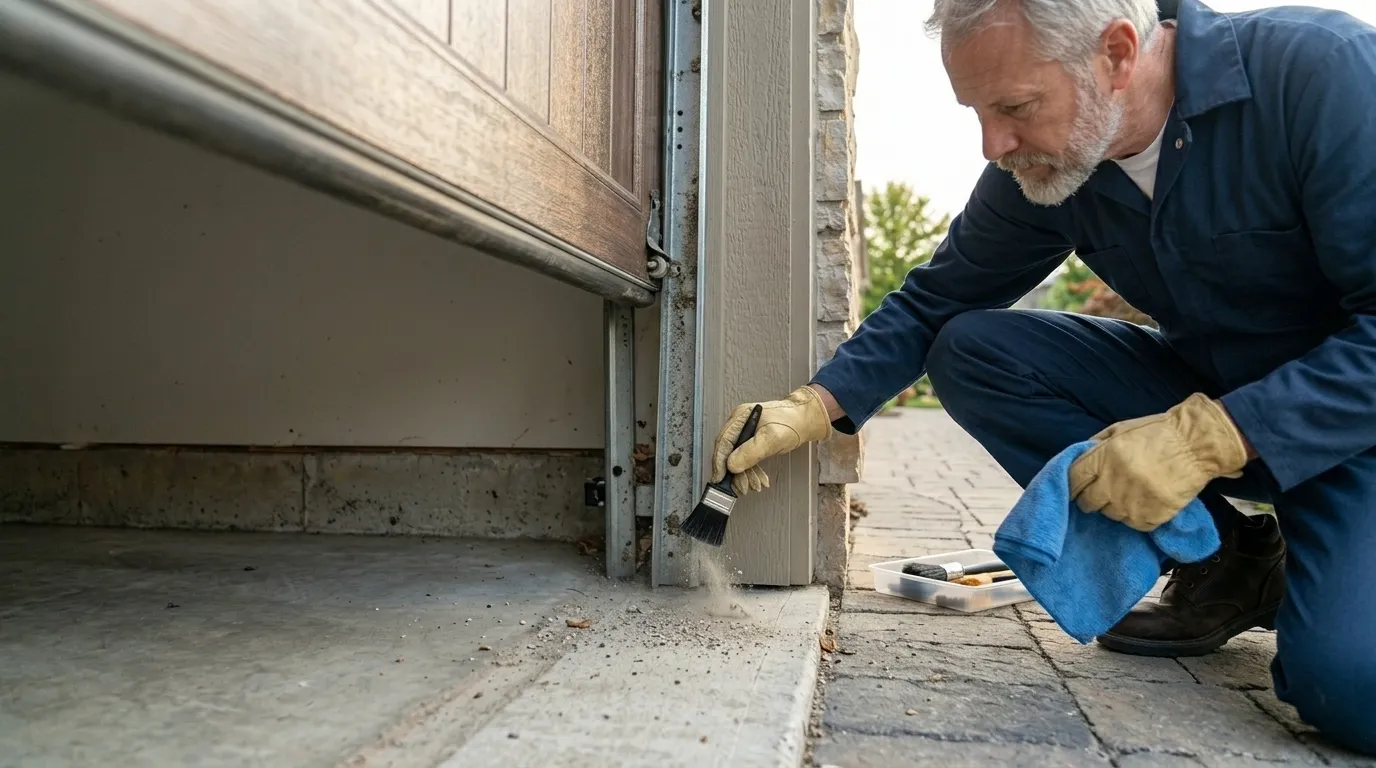
That's a job for someone with a level and a track record of squaring old detached openings, not a Saturday project. On an attached garage, the same symptom might just mean a bent track or a roller that's had it, which is a fix you can sometimes handle yourself if you're comfortable with hand tools and a ladder. The tell is whether the problem is the door itself or the building around it.
If the door won't seat evenly no matter what you adjust, stop - that's a structural question, and forcing a spring-loaded door to close on a racked frame is how people get hurt.
The Problem
A lot of Bolingbrook's detached garages are original to houses built in that 1960s-70s stretch, and they were never insulated to the standard an attached garage needs when it shares a wall with living space. Attached garages built later, closer to the 2004 end of that range, usually got insulated doors from the start because code and comfort both pushed that way. The problem shows up when a homeowner replaces a door on a detached structure with the same insulated panel they'd put on an attached one - it's not wrong, but it's often not worth the money if that garage was never meant to hold a stable temperature.
On the flip side, an attached garage with an old, uninsulated door is doing real damage to the wall it shares with the house, letting cold straight through in a moderate-cold climate like this one. The mismatch between door type and garage type is the single most common thing we see get overlooked - people buy the door that's on sale, not the door that matches how the garage is actually built and used.
When Waiting Is Fine
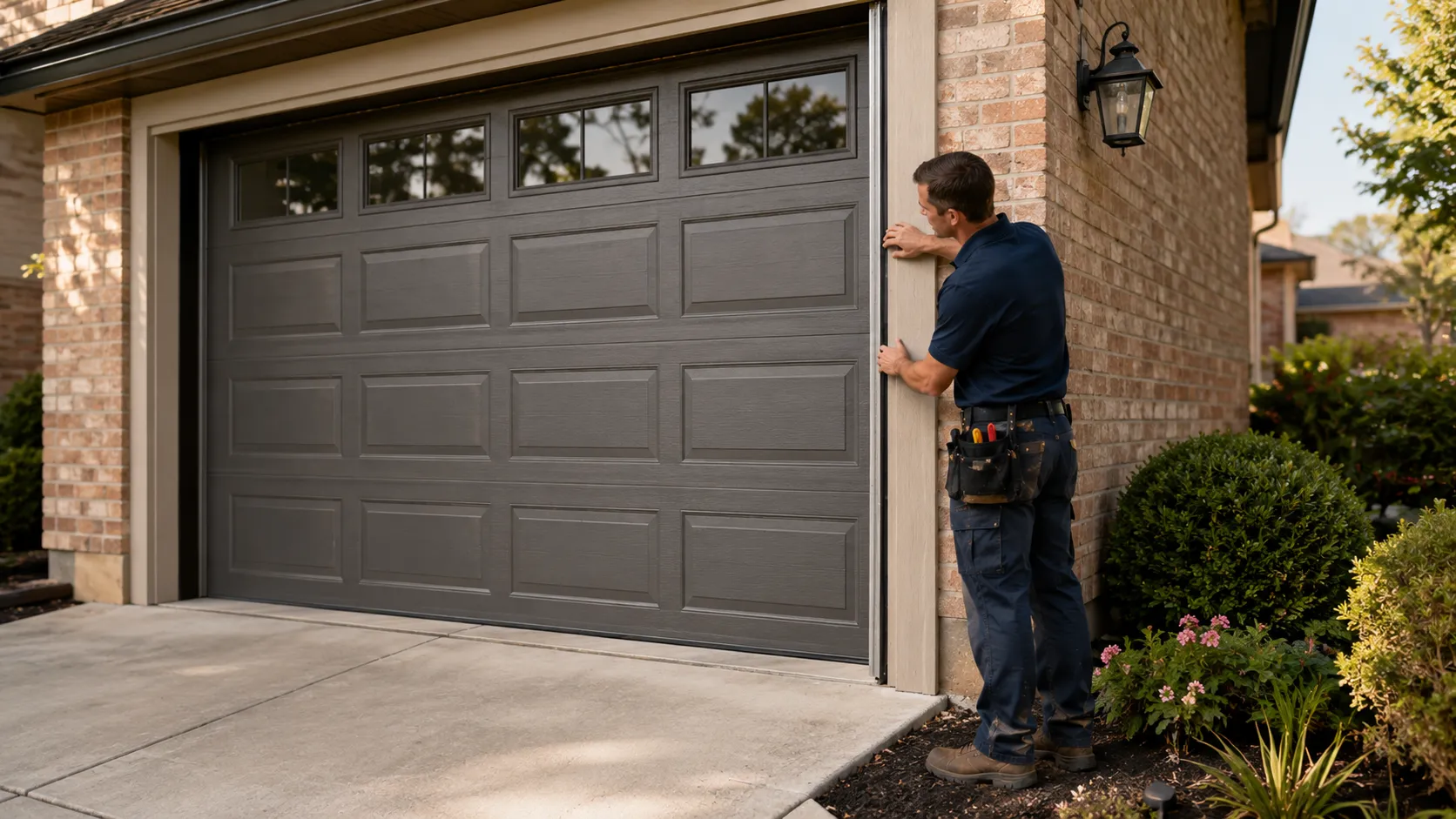
Not every noise or slow spot needs a same-week call. If a detached garage door has always been a little stiff in winter and nothing has changed, that's often just the structure doing what a standalone building does in a cold-moderate climate - some seasonal movement is normal and doesn't mean failure is close. Cosmetic wear on an older detached door - faded paint, a dented panel that still opens and closes clean - can wait indefinitely if it's not affecting the balance or the seal.
On attached garages, a door that closes a little unevenly but isn't binding or making new noise can usually wait for a scheduled visit rather than an emergency one. Where we draw the line: any sudden change - a new grinding sound, a door that drops instead of lowering, a cable that looks frayed - on either type of garage. That's not a wait-and-see situation regardless of how old or new the structure is.
How Local Conditions Play In
This area sits in a cold, moderate climate band, and that plays out differently depending on whether the garage is attached or detached. A detached garage takes the cold from all four sides with no shared wall to buffer it, so hardware - springs, rollers, cables - sees more temperature swing over a winter than the same hardware on an attached structure. That swing is part of why springs on older detached doors in this area tend to fatigue and snap without much warning; the metal's been flexing through a wider range for longer.
Attached garages get some benefit from the house's heat bleeding through the shared wall, which softens the swing but raises the stakes if the door seal has failed - that's heat loss straight into living space. Given that most of Bolingbrook's stock dates to the 60s and 70s, a lot of original hardware on detached garages is well past the point where cold-weather failure is a real risk. One limitation worth being straight about: we can tell you what's likely given the age and type of your garage, but we can't diagnose spring fatigue or track wear without seeing the door in person.
How We Can Help
Garage Door Repair
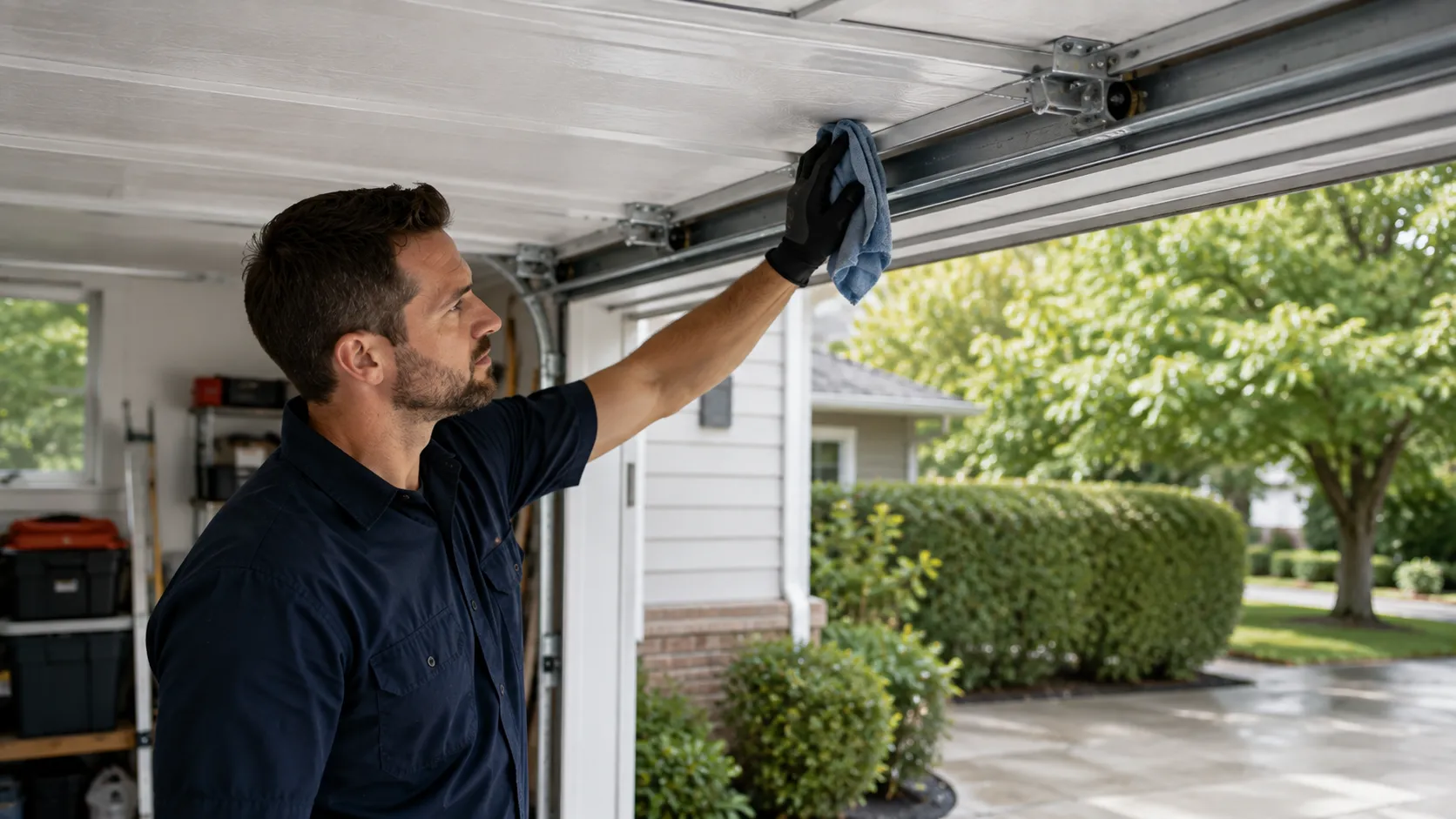
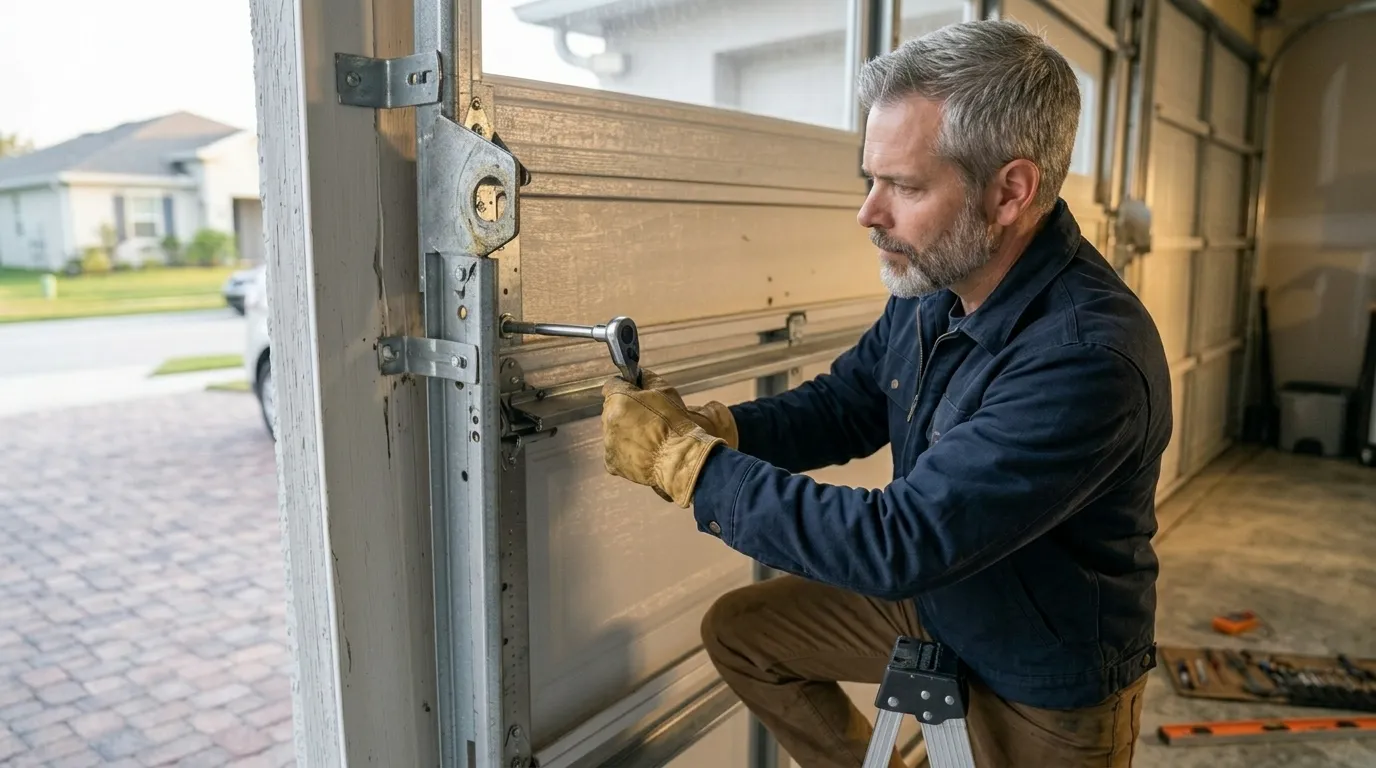
Springs, cables, tracks, rollers, and openers fixed by a tech who explains the problem before touching anything.
Learn more →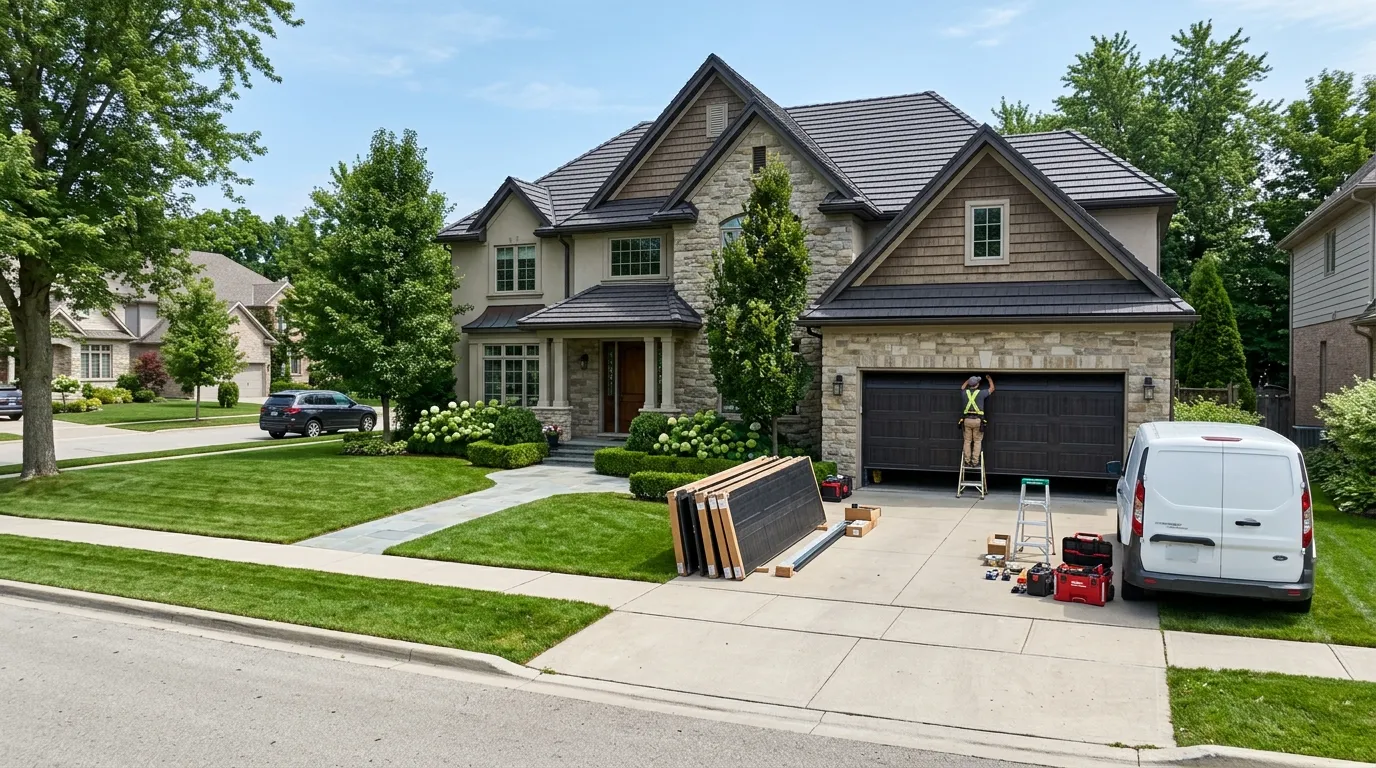
Garage Door Installation
New sectional doors sized and installed for the housing stock actually built in this area.
Learn more →
Garage Door Service
Tune-ups, lubrication, and safety checks that catch a small problem before it becomes a service call.
Learn more →Frequently Asked Questions
Does a detached garage door need the same insulation as an attached one?
Not necessarily. If the detached garage isn't heated and doesn't share a wall with the house, an insulated door mostly helps with noise and durability rather than energy loss. An attached garage sharing a wall with living space benefits a lot more from insulation, especially given the cold-moderate climate here.
Why does my older detached garage door feel stiffer in winter than my neighbor's newer attached one?
Detached garages take cold from all sides with nothing buffering them, so hardware flexes through a wider temperature range. Newer attached garages, common toward the later end of Bolingbrook's 1938-2004 build range, often get some warmth from the shared house wall, which softens that swing.
Is it worth replacing an old detached garage door on a house from the 1960s or 70s?
Depends on the structure underneath. If the opening has shifted or racked over the decades, a new door on an unsquared frame won't seat right no matter how good the door is. Worth having someone check the framing before spending on a replacement panel.
Have a Door That Needs a Second Opinion?
Call and describe what it is doing - we will tell you what it likely is.