Bolingbrook Garage Door Guide
When It's Time to Stop Repairing and Start Replacing
Bolingbrook homes mostly went up between the 1960s and 1976. Here's when a garage door repair stops making sense and buying a replacement door here is the smarter call.
- Licensed & Insured
- Same-Area Service Calls
- Upfront Pricing
When It Stops Being a DIY Job
A lot of the doors we get called on in this area were installed when the house was built, and F1 tells the story: most of this housing stock went up between 1938 and 2004, with the median year sitting at 1976. That means a huge share of doors and openers in Bolingbrook are pushing forty or fifty years old, running on hardware that predates the current safety standards for auto-reverse and cable containment.
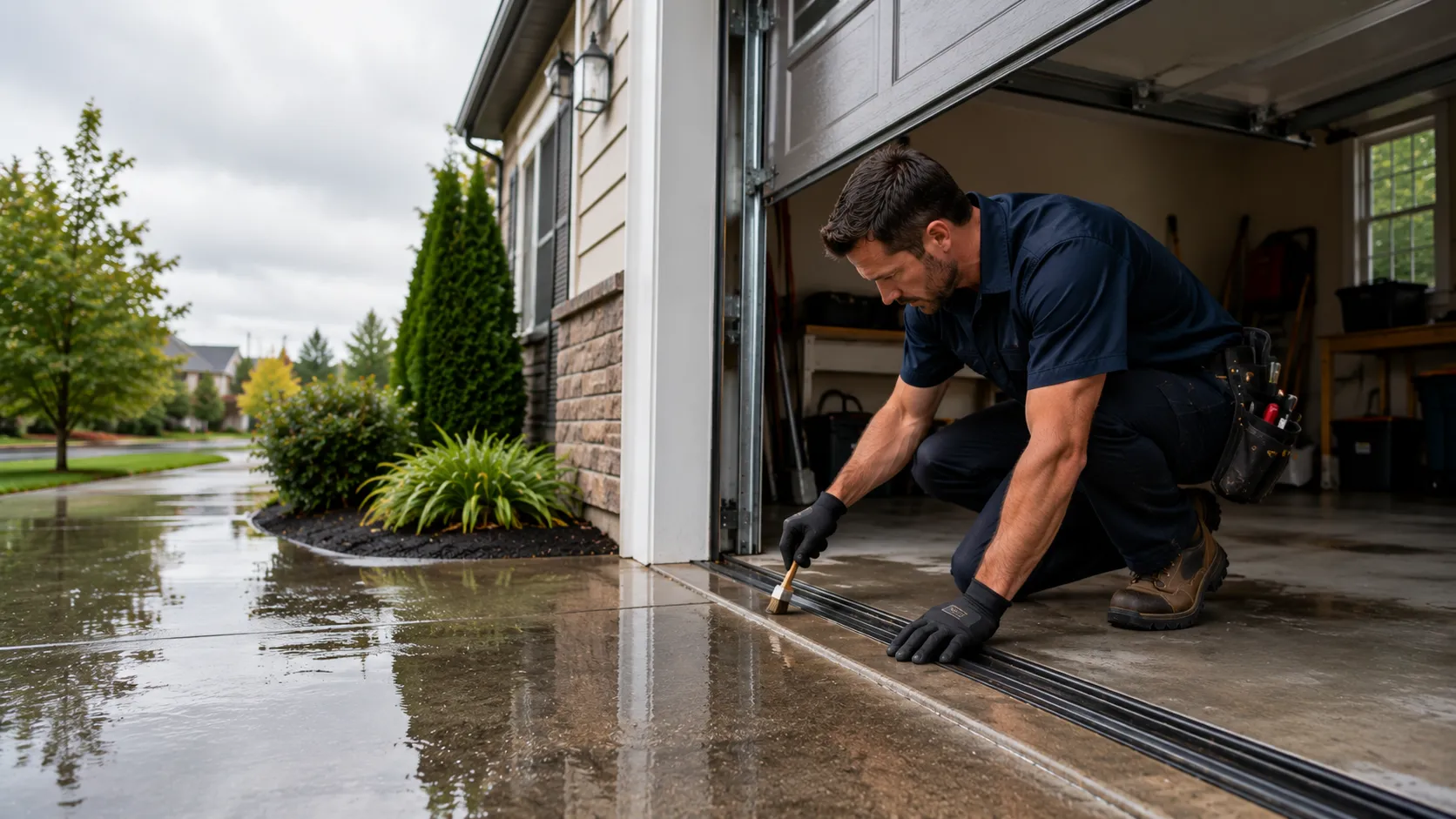
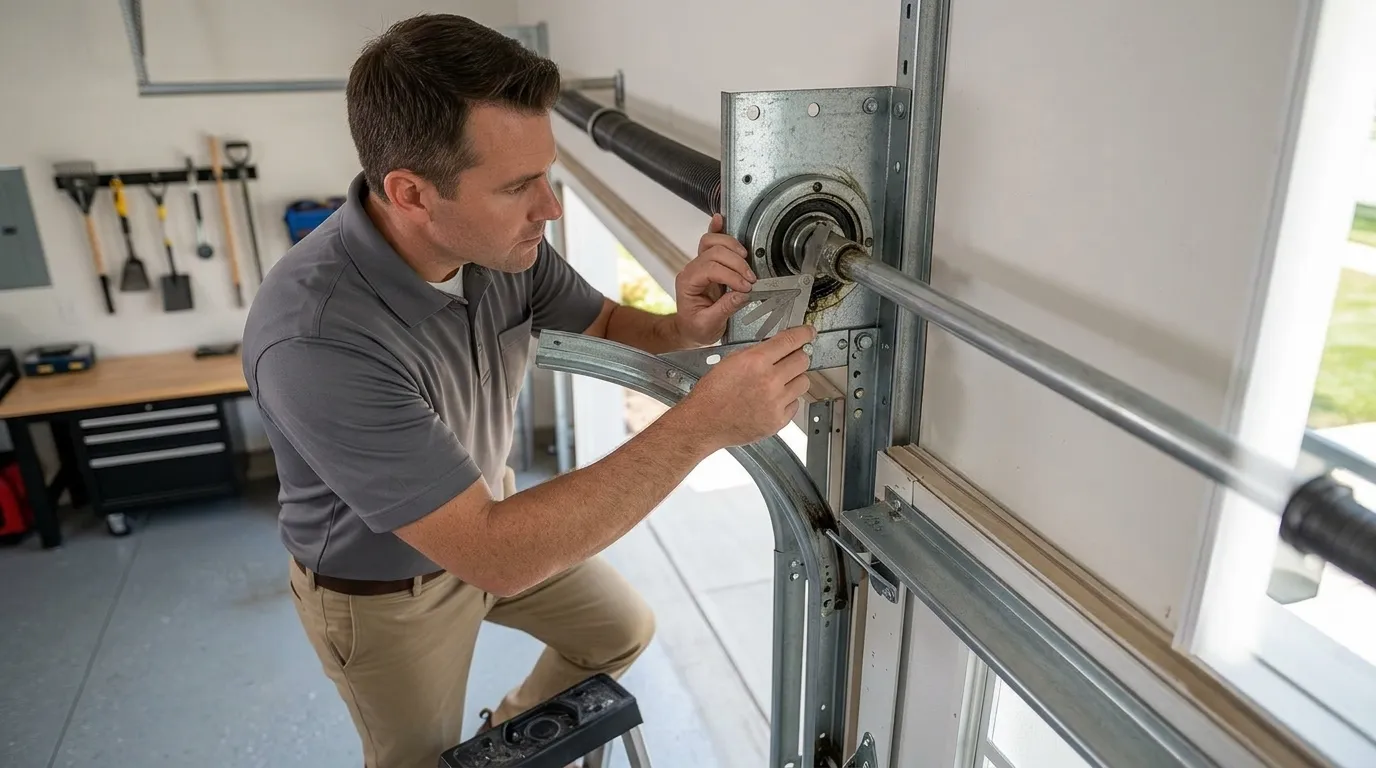
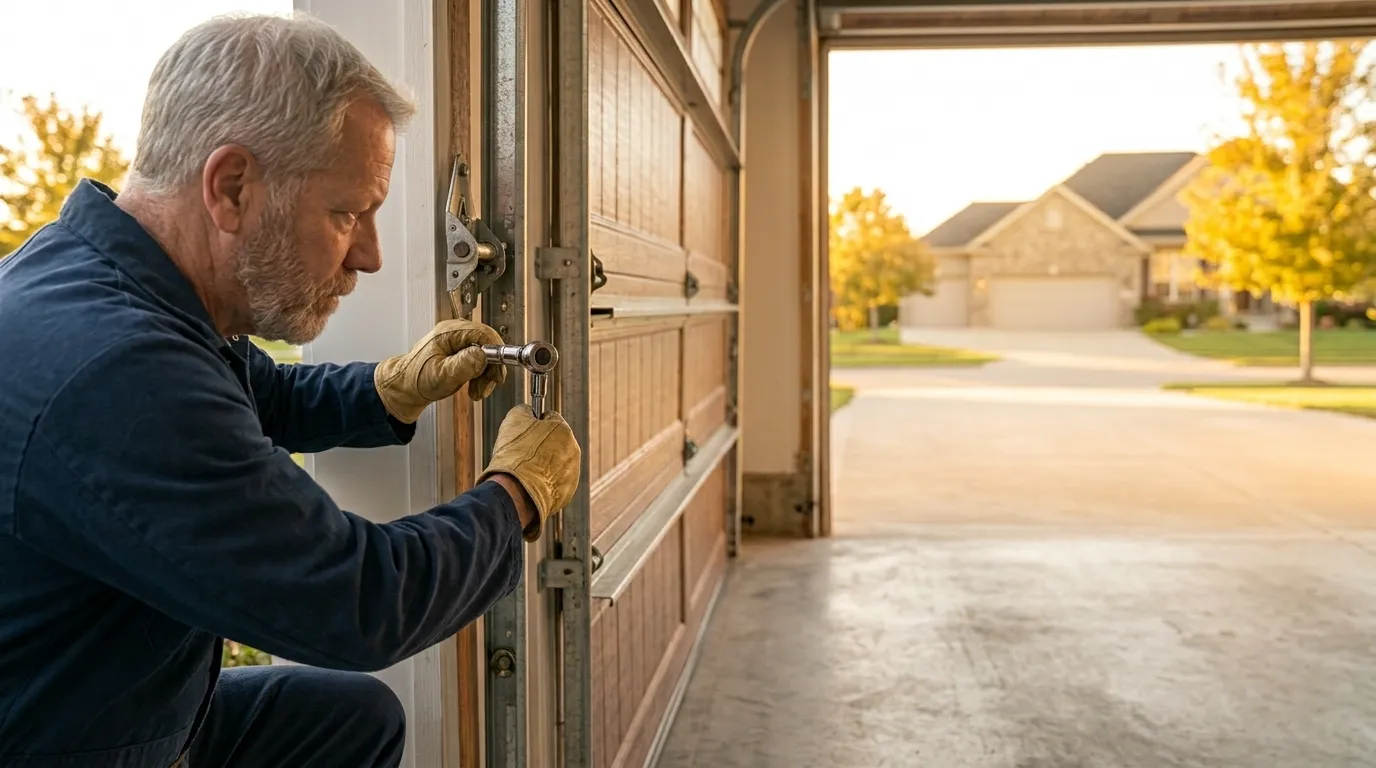
Swapping a broken roller or lubricating hinges is fine to handle yourself. But once you're dealing with a torsion spring, a bent track on a door installed before modern galvanized cable was standard, or an opener with no working safety reverse, that's past the point of a weekend fix. On a door this old, a spring under tension can put you in the ER faster than almost anything else in a garage.
We won't pretend every job needs a truck. If a panel is dented but the door still opens smooth and the springs are balanced, that's cosmetic - leave it be or patch it. But once the door's original hardware starts fighting the opener, or a cable has started to fray on a door from that 1970s-era build wave, it's time to stop tinkering and call it in.
The Problem
F2 backs this up further: across the 83 named areas that make up this broader stock, the dominant era is 1960s-70s construction. That generation of garage doors was built for a different climate expectation and a different opener market. Springs sized for a lighter, thinner steel or wood panel from that era often don't match what a homeowner bolts on today if they replace only the opener and leave the door.
The real problem isn't age by itself - it's mismatch. A 50-year-old door frame paired with a modern opener pulls harder than the track and rollers were built to handle. That shows up as grinding, slow travel, or an opener that struggles and eventually burns out its gears trying to lift a door that's binding.
We've replaced plenty of openers on original 1970s doors and had the new opener fail again within a year or two, because nobody addressed the door itself. If your house falls into that median 1976 build window, the door is very likely older than the opener bolted to it, and that's the piece worth inspecting first.
When Waiting Is Fine
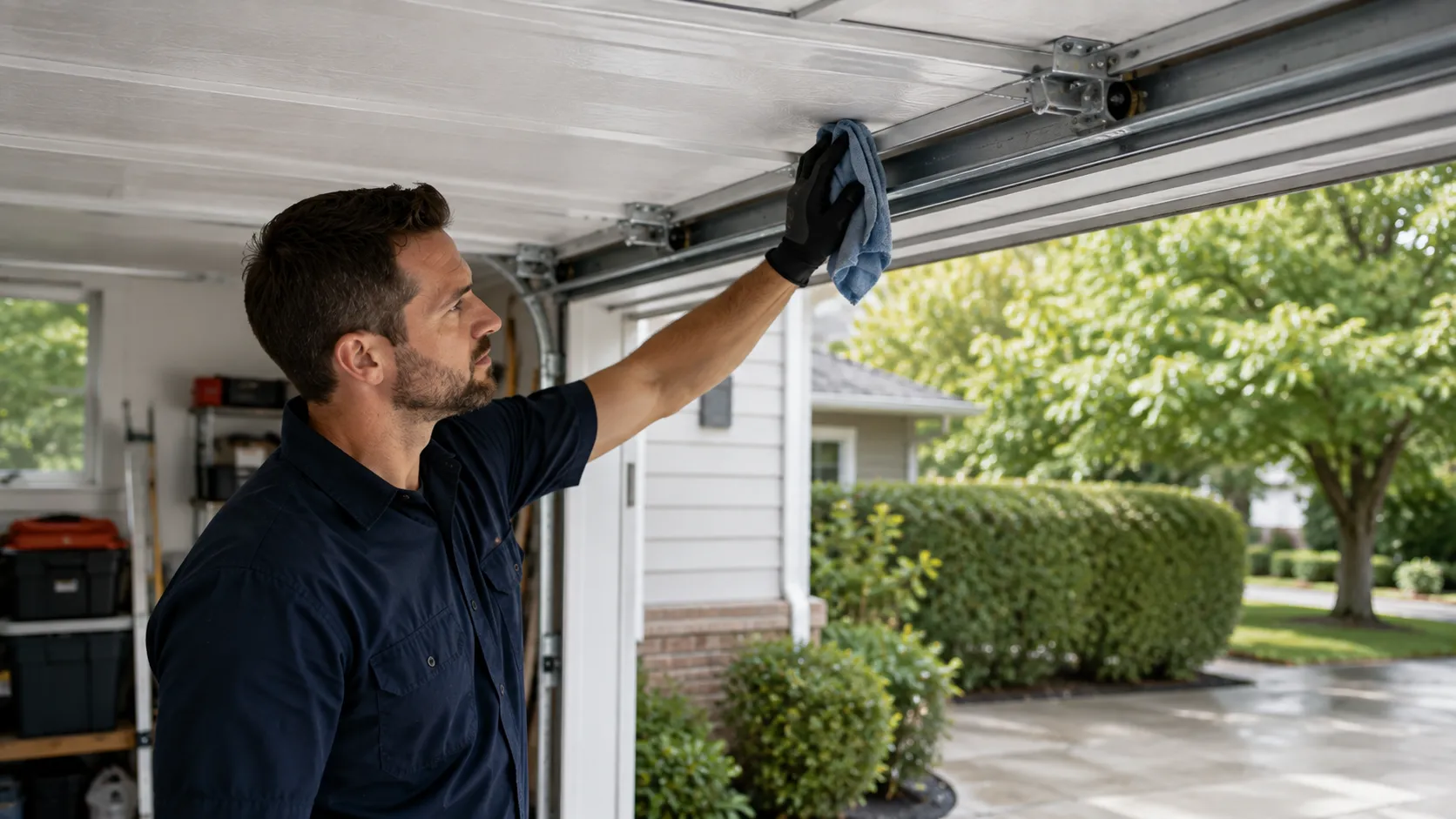
Not every rough patch means buying a replacement door here. If the door is noisy but still opens and closes on schedule, and the springs are still doing their job (you can tell by whether the door stays roughly waist-high when disconnected from the opener), you've got time. Lubrication, tightened hardware, and a new set of rollers can carry an older door for years.
We'll say it plainly: replacing a functioning door because it's old is usually money you don't need to spend yet. Wait until a real failure point shows - spring, cracked panel seam, or an opener that's beyond parts availability - before you commit to a new install. A repair that costs a few hundred dollars now can be the right call even on a door from the 1970s era, as long as the frame and track are square.
How Local Conditions Play In
F3 puts this area in a cold moderate climate band, which matters more for garage doors than most homeowners realize. Steel contracts in cold weather, and on an older door - especially one from that median 1976 build era with looser panel tolerances - that contraction opens gaps at the bottom seal and around panel joints. Weatherstripping that was fine in summer starts letting cold air and moisture in once temperatures drop.
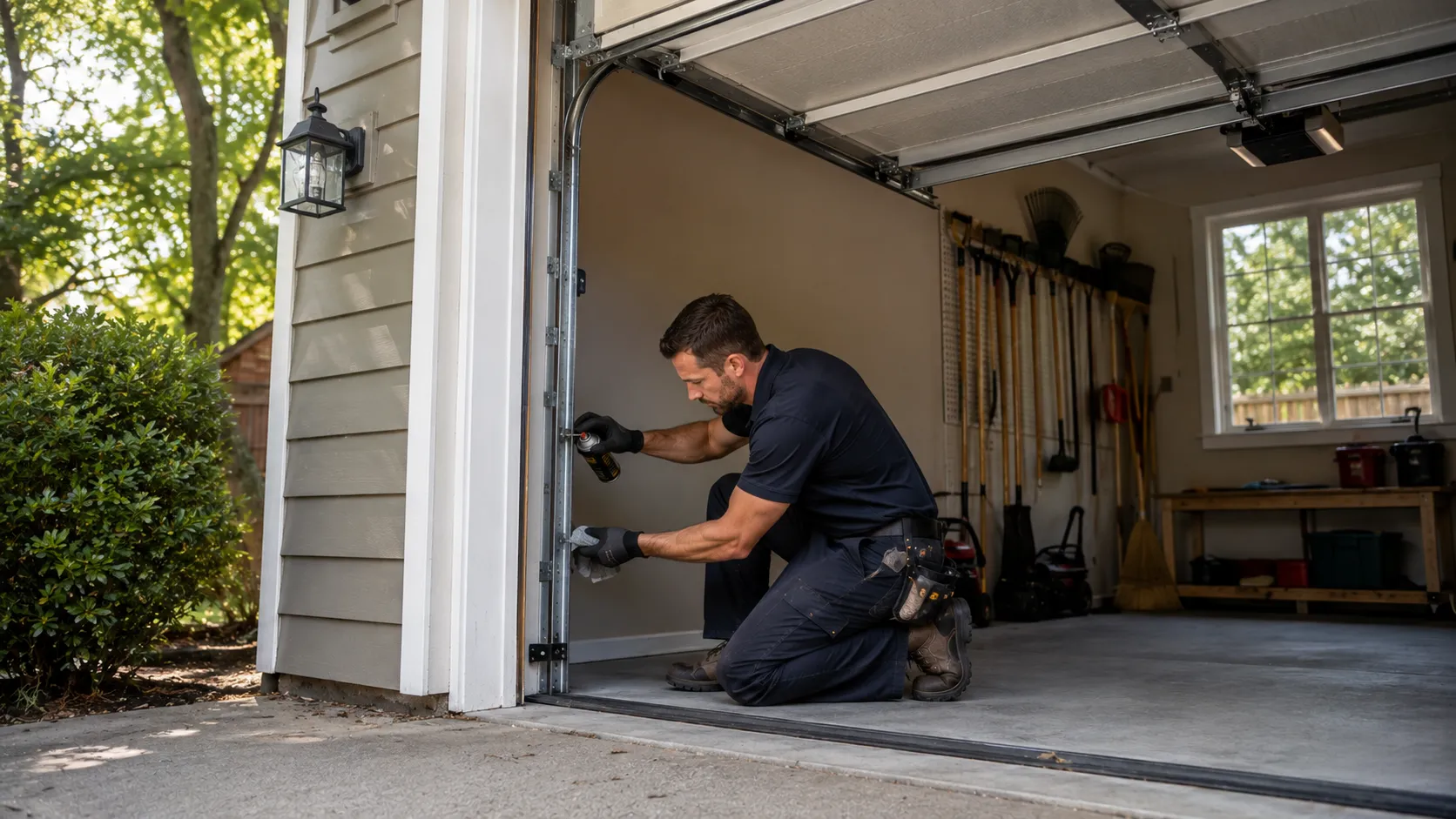
Cold also stiffens the lubricant in torsion springs and hinges, which is why older doors tend to groan or catch on the season's first genuinely cold mornings. If your door already has some age on it, that seasonal stiffness is often the first visible sign that hardware is wearing out, not a sign the door itself needs replacing.
We don't stock every part for every era of door on the truck - some older torsion hardware and obsolete track profiles need to be special-ordered, which can mean a short wait. That's worth knowing before you assume a same-day fix is guaranteed on a door built during that 1960s-70s wave.
How We Can Help
Garage Door Repair
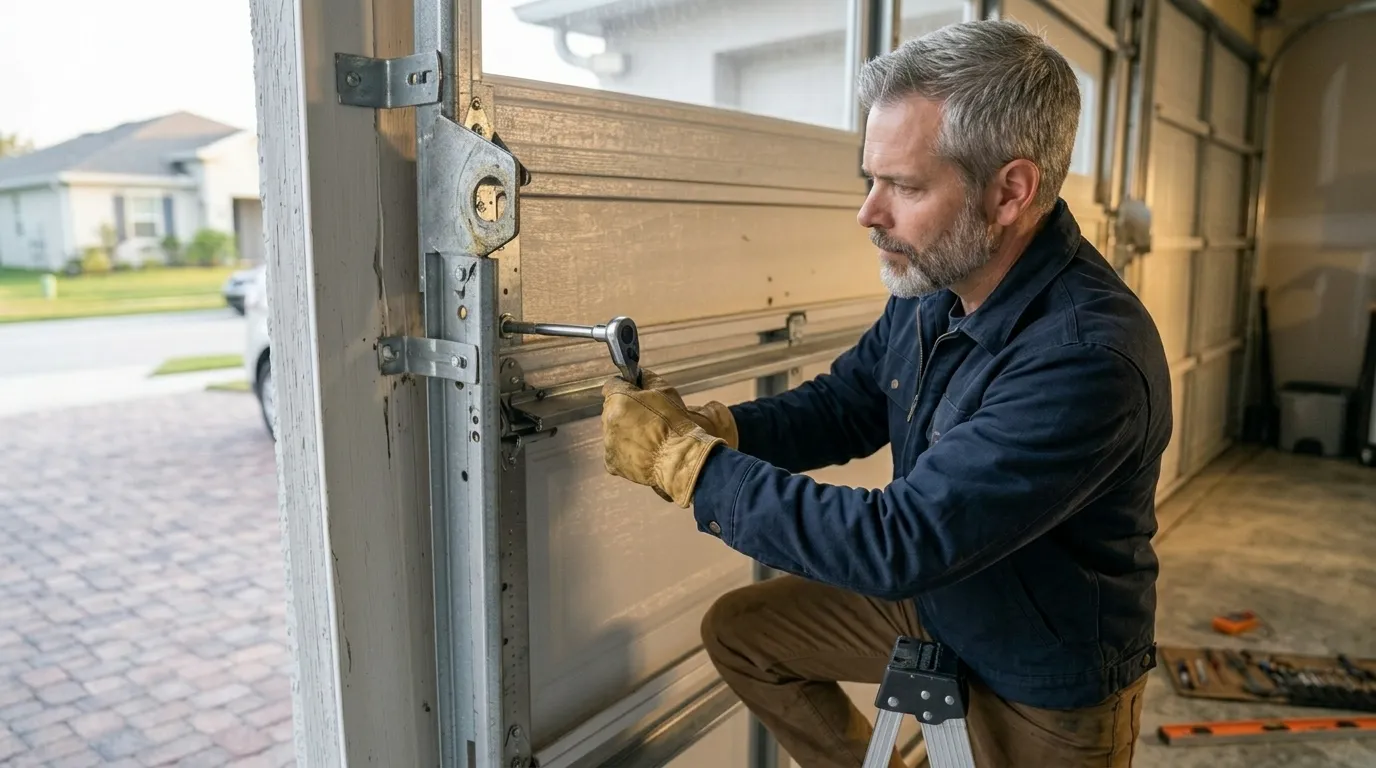
Springs, cables, tracks, rollers, and openers fixed by a tech who explains the problem before touching anything.
Learn more →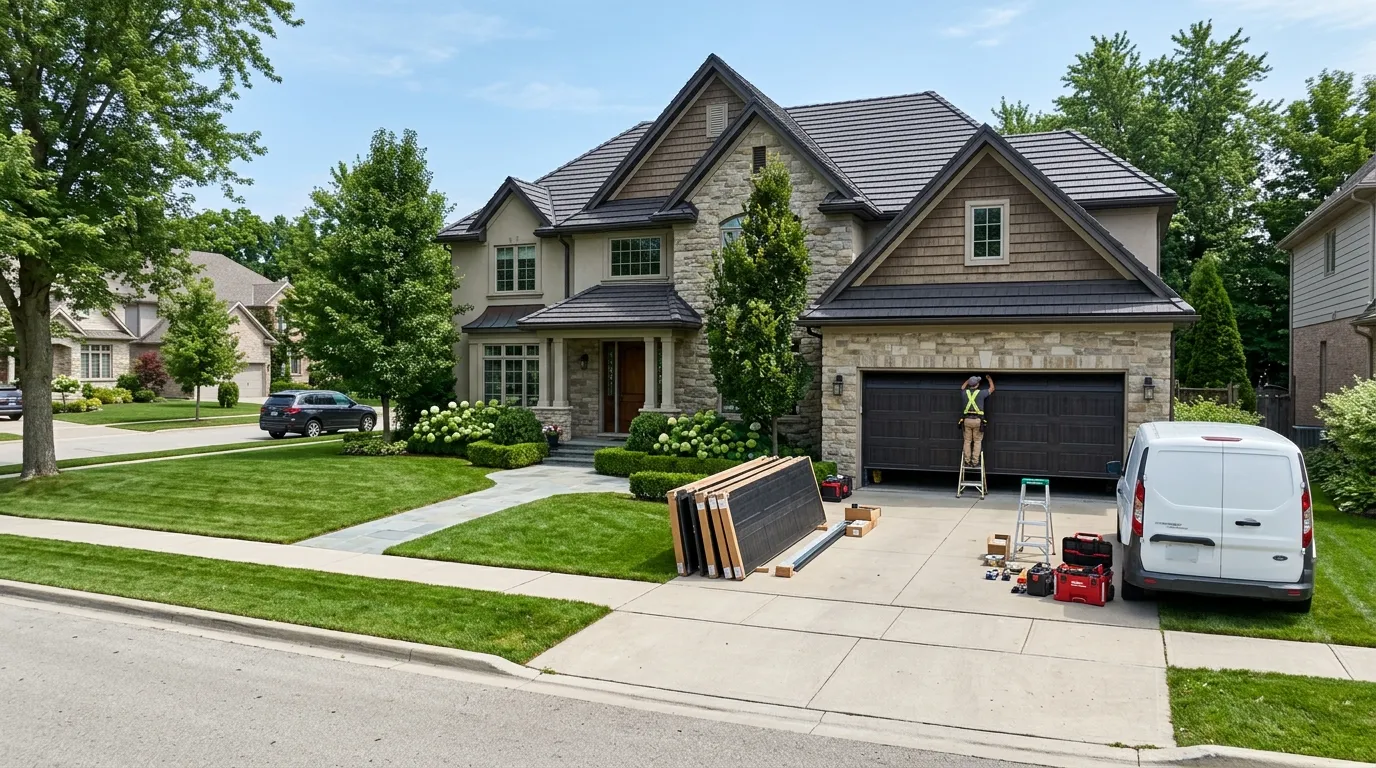
Garage Door Installation
New sectional doors sized and installed for the housing stock actually built in this area.
Learn more →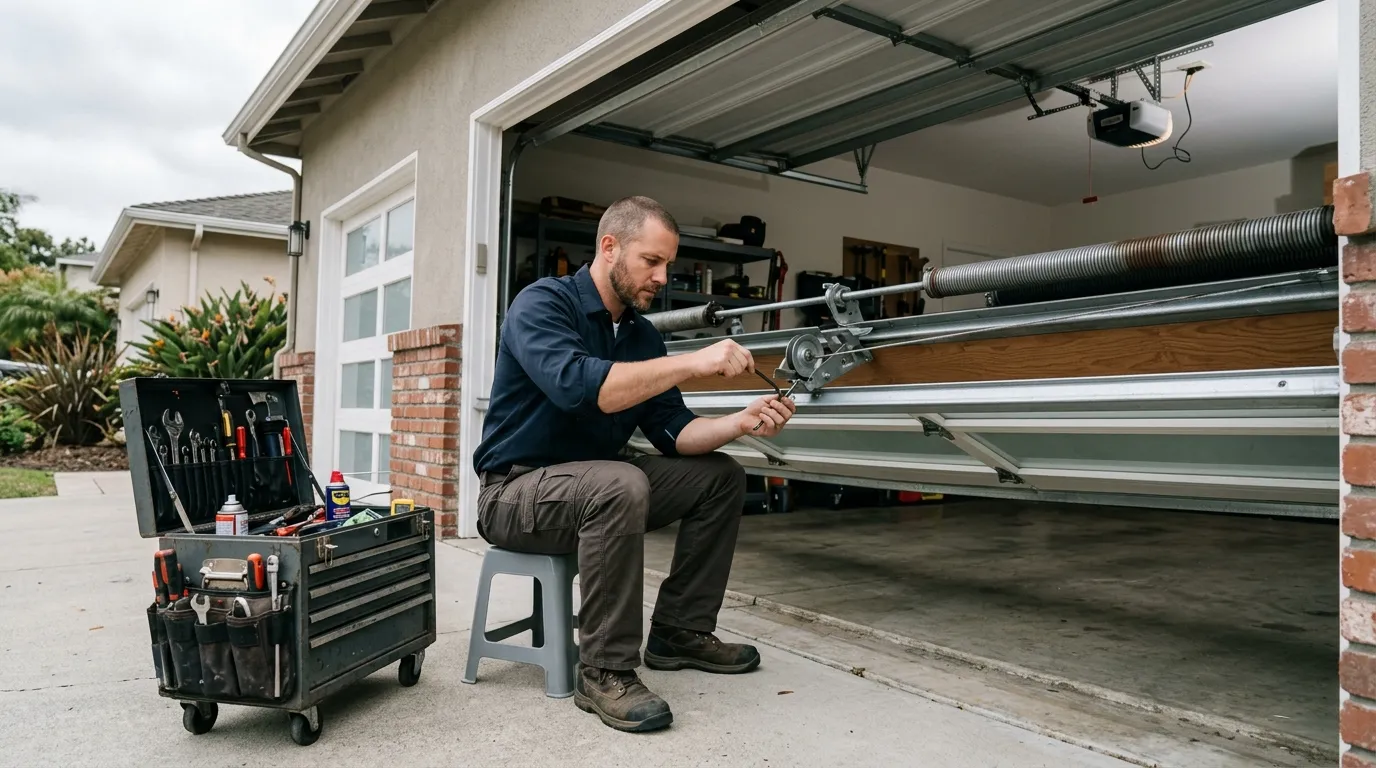
Garage Door Service
Tune-ups, lubrication, and safety checks that catch a small problem before it becomes a service call.
Learn more →Frequently Asked Questions
How do I know if my garage door is original to the house?
If your home was built in the median era for this area, around 1976, and you haven't had a documented replacement, there's a good chance the door and track are original. Check the manufacturer sticker on the inside of the door - a date stamp there is the clearest sign.
Does cold weather actually damage garage doors here?
In this cold moderate climate, steel contraction in winter opens gaps at seals and stiffens spring lubricant, which is harder on older doors with worn hardware. It won't break a sound door, but it accelerates problems that are already starting.
Is it cheaper to repair an old door or replace it?
Depends on what's failing. A single spring or roller repair is usually cheaper even on a decades-old door. Once the track, panels, and opener are all original from that 1960s-70s stock and failing together, replacement often costs less over time than repeated repairs.
Can I just replace the opener and keep the old door?
Sometimes, but a mismatch between an older, heavier original door and a modern opener is one of the most common failures we see. Have the door's balance and track checked before installing a new opener on an older frame.
Have a Door That Needs a Second Opinion?
Call and describe what it is doing - we will tell you what it likely is.